
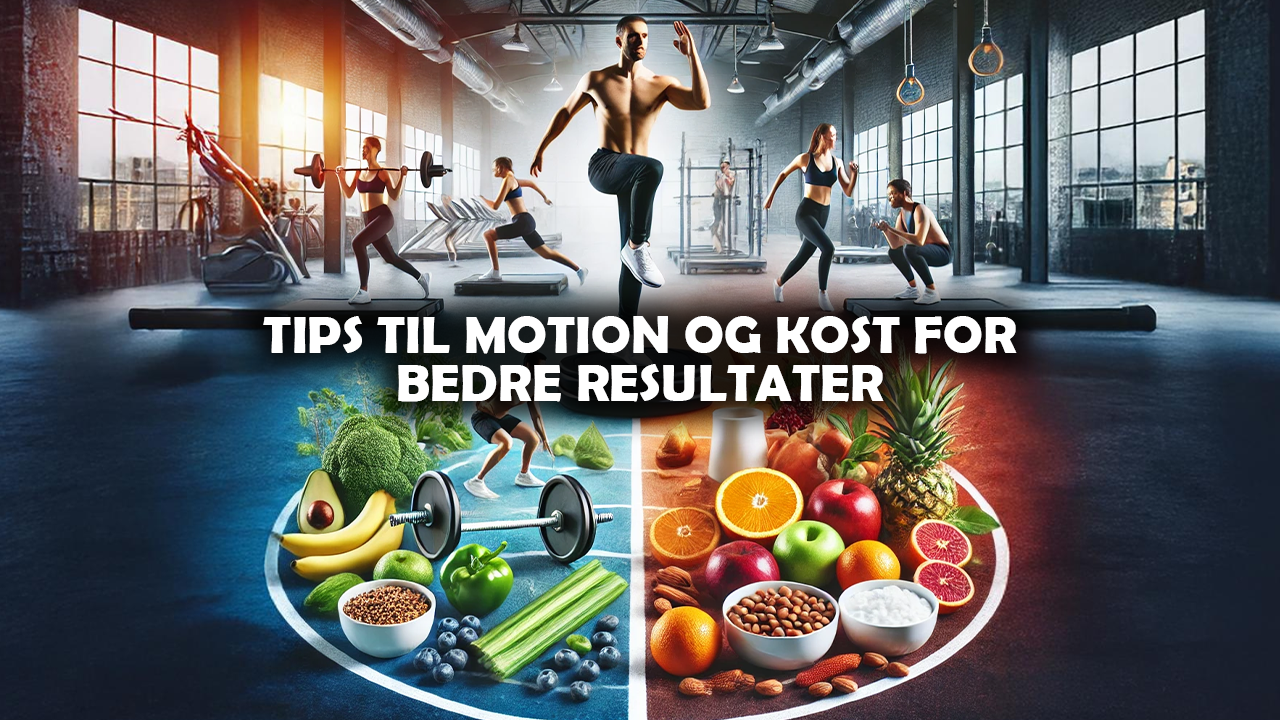
Combining exercise and nutrition in a smart and structured way is one of the most effective strategies if you want to improve your health, lose weight or boost your energy levels in everyday life. Many people focus either solely on exercise or exclusively on their diet, but the truth is that these two areas significantly enhance each other when they work together.
Exercise gives your body a natural energy boost, increases calorie expenditure and improves both strength and endurance – but without the right diet, you will not get the full benefit of your efforts. Conversely, you can eat as healthily as you like, but without physical activity, you will miss out on the many benefits that regular exercise brings to your body.
A strong combination of exercise and nutrition creates a synergistic effect that not only accelerates your results but also makes them easier to maintain in the long term. It is not about strict rules or extreme measures, but about finding a realistic balance that suits your particular lifestyle.
When you learn to match your workouts with the right nutrition – before, during and after physical activity – you will have more energy to exercise effectively, recover more quickly and avoid unnecessary setbacks.
A healthier life therefore begins with understanding how exercise and nutrition work together in your everyday life. Once you have mastered the basic principles, it becomes both more enjoyable and more motivating to stick to your exercise routine.
You will soon experience how small adjustments to your exercise habits can bring about significant and positive changes to both body and mind. When you combine exercise and healthy eating thoughtfully, you can build a strong and sustainable lifestyle – without feeling as though you are missing out on anything.
This article will give you great tips on how to combine exercise and nutrition effectively to achieve your goals.
Exercise And Nutrition – Set Clear Goals For Your Training

Setting clear training goals is one of the most important steps when you want to combine exercise and nutrition effectively. Without clear training goals, it can be difficult to stay focused, assess your progress and ensure that your diet actually supports the results you are working towards. However, when you have well-thought-out training goals, it becomes much easier to plan your training schedule and adapt your meals so that you get the most out of every workout session.
Clear training goals not only help you stay on track but also allow you to break your training down into manageable steps. Small, realistic milestones create a stronger training structure, enabling you to measure improvements along the way, adjust your training efforts and boost both your confidence and motivation. At the same time, clear goals make it easier to align your diet with your training – for example, by ensuring that you consume the right amount of energy before, during and after your workouts.
When you work towards specific training goals, the entire training process becomes more concrete and manageable. This creates peace of mind, a more consistent training routine and a clear sense of direction, making it easier to maintain healthy habits in the long run. And when your training goals are meaningful to you, your motivation becomes much more consistent – even on days when your energy levels are low.
Inspiration List – Exercise and Nutrition – Strengthen Your Training Goals with a Clear Training Strategy
⭐ Exercise and Nutrition – Define Your Training Goals with Clear Milestones
When you structure your training around clear training goals and milestones, it becomes significantly easier to understand the direction your fitness journey is taking. By setting specific training milestones, you can track your progress step by step, adjust your training efforts along the way and create a training structure that consistently keeps you on track. This clarity strengthens both your intrinsic motivation and your sense of achievement in your daily training.
💡 Exercise and Nutrition – Create a Training Plan That Fits Your Everyday Life
A good training plan is one that realistically fits into your life – not the other way around. When your training plan is aligned with your schedule and energy levels, you increase the likelihood of maintaining both your training routine and your results. A well-planned training schedule makes it easier to coordinate your nutrition with your workouts, ensuring that you have the right energy levels before and after each session. This creates a natural balance between exercise and everyday life that is both motivating and sustainable.
🔥 Exercise and Nutrition – Prioritise Training That Supports Your Goals
It is important that your training actually matches the goals you have set. If you want to lose weight, focusing on a combination of cardiovascular exercise and strength training can be effective. If your training goals involve building muscle, your workouts require greater emphasis on resistance, progressive overload and recovery. When your training choices are tailored to your goals, it becomes easier to adjust your diet accordingly – and you will achieve significantly better training results over time.
🌿 Exercise and Nutrition – Adjust Your Training According to Your Energy Levels and Diet
No two training days are the same, which is why flexibility in your training is important. When you learn to adapt your training routine according to your energy levels and diet, you can avoid both overtraining and unnecessary strain. This flexible approach helps you create a training process that feels natural, supportive and motivating. The better you adapt your workouts to how you actually feel, the more consistent your results will be.
REMEMBER – When you want to optimise your exercise and nutrition, it is important to have a strong training plan with clear, well-considered goals. When your training goals are clear, your training results will be too.
Understand Energy Intake and Calories When Exercising

When you exercise and want to achieve optimal results, it is essential to understand the relationship between energy intake, calories and the type of physical activity you perform. Many people believe that exercise alone is enough to achieve weight loss or increased energy, but in reality, it is the balance between exercise and nutrition that determines how effective your progress will be. Calories are not just numbers – they are the fuel that makes exercise possible and helps you maintain a steady energy level throughout the day.
When you understand your energy intake and have a basic understanding of how calories affect your exercise, it becomes much easier to plan both your training routines and your meals. Consuming too little energy can result in lower-intensity workouts, fatigue or a lack of progress, while consuming too much energy can work against your fitness goals and make it difficult to achieve results. It is therefore about making the right adjustments and matching your energy intake to your physical activity – taking into account the duration, intensity and frequency of your workouts.
By understanding the basic principles of energy intake, you can improve the quality of your exercise, get more out of your workouts and avoid unnecessary setbacks. The right balance between exercise and nutrition creates a stable rhythm in your body, helps you recover more effectively and makes it easier to maintain healthy habits in the long term.
Food Is Fuel for Your Body, and to Optimise Your Exercise Results, You Need to Understand How Calories Work
Calorie deficit - If you consume fewer calories than you burn, you will lose weight.
Calorie surplus - If you consume more calories than you burn, you will gain weight, which is necessary for building muscle.
Calorie balance - If your calorie intake and expenditure are roughly equal, you will maintain your current weight.
Consider using a calorie calculator to estimate your daily energy requirements based on your age, sex, weight, height and activity level.
Inspiration List – Make Noticeable Progress by Understanding Exercise and Energy Intake
⭐ Create a Balance Between Exercise and Energy Intake
When you understand how your daily energy intake supports your exercise, it becomes much easier to achieve consistent results. A good energy balance means that you get enough fuel to complete your workouts without feeling drained. This balance supports weight loss, muscle building and improved endurance. The most important thing is to match your energy intake to the physical activity you perform so that your body functions optimally and recovers properly.
💡 Adjust Your Meals to Suit Your Exercise
Meals before and after exercise play a crucial role in both performance and recovery. When you tailor your eating habits to your physical activity, you increase your energy levels and support your body's ability to recover after training. It can be beneficial to choose easily digestible meals before exercise and meals focused on recovery afterwards, ensuring that your body receives the right nutrients and energy at the right time.
🔥 Understand How Exercise Burns Calories
Different types of exercise affect your calorie expenditure in different ways. Cardiovascular exercise, strength training and interval training burn energy in different ways, and the more you understand these differences, the better you can plan your diet. When you understand the relationship between exercise and calorie expenditure, you can tailor your energy intake more precisely to support your goals – whether they involve weight loss, fitness or strength.
🌿 Learn to Adjust Your Exercise to Your Daily Energy Levels
There will be days when you feel full of energy – and days when your exercise routine requires a gentler approach. When you learn to adapt your physical activity to your actual energy levels, you can avoid both overexertion and ineffective workouts. A flexible approach makes it possible to maintain a healthy exercise routine in the long term, with nutrition and physical activity working together in a natural balance.
REMEMBER – Having the right knowledge about your body's energy needs makes your exercise much more effective. When you match your energy intake to your physical activity correctly, you also optimise your exercise results.
Macronutrients – The Building Blocks of Your Body When You Exercise

When you exercise and want to achieve optimal results, macronutrients – carbohydrates, proteins and fats – play an absolutely crucial role. They serve as your body's main building blocks and fuel, directly influencing how you perform during exercise and how effectively you recover afterwards.
Many people focus only on what they eat, but not on how macronutrients actually affect their exercise performance. When you learn how to distribute them correctly, you can improve the quality of your workouts, your energy levels and your long-term results.
Carbohydrates are the body's primary source of energy during exercise, providing the quick energy you need for cardiovascular training, strength training and longer workout sessions. Proteins help your body repair and build muscle tissue after exercise, making them essential for anyone who wants to strengthen their body and prevent injuries. Healthy fats provide long-lasting energy, support hormonal balance and promote stability – all of which are essential for your body to function optimally, both at rest and during exercise.
When you understand how each type of macronutrient affects your exercise performance, it becomes easier to put together meals that provide the right energy before, during and after your workouts. The right distribution of macronutrients can make the difference between fatigue and strength, stagnation and progress – and between short-term results and a sustainable lifestyle change.
Inspiration List – How to Make the Most of Macronutrients During Exercise
⭐ Find the Right Balance of Carbohydrates for Steady Energy During Exercise
Carbohydrates are the primary source of energy your body uses during exercise, which is why it is important to understand how different types of carbohydrates affect your energy levels. When you choose slow-release carbohydrates such as wholegrains, porridge oats, brown rice and root vegetables, you get a steadier supply of energy that helps you maintain your pace throughout your workout. Fast-absorbing carbohydrates, such as fruit, juice or a small energy bar, can be useful just before or during intense exercise when you need a quick boost.
You can also drink a healthy smoothie before or during intense exercise if you need an energy boost. For inspiration on making your own healthy smoothies, read our article – Great Tips for Budget-Friendly Smoothies for a Healthy Everyday Life.
The most important thing is to match the amount and type of carbohydrates to the duration and intensity of your physical activity. This balance helps you maintain consistent performance, reduces the risk of running out of energy and helps you stay focused on your workout rather than feeling tired.
💡 Use Protein to Help Your Body Rebuild After Exercise
Protein acts as your body's repair and building material, playing a crucial role after exercise. During physical activity, muscle tissue breaks down slightly – a natural process through which your body subsequently rebuilds it stronger. For this process to work effectively, your body needs high-quality protein.
Lean meat, fish, eggs, dairy products and plant-based sources such as lentils, beans and tofu are all excellent choices when it comes to supporting exercise. By prioritising protein in your meals after exercise, you help your body restore muscle balance, reduce soreness and recover more quickly. An adequate protein intake also makes your exercise routine more sustainable in the long term by helping to prevent weakness, injuries and exhaustion.
🔥 Choose Healthy Fats for Long-Lasting Energy During Exercise
Healthy fats play a central role in energy metabolism, hormonal regulation and overall health – all factors that have a significant impact on your exercise performance. Fat is broken down more slowly than carbohydrates, which means it provides a steadier, longer-lasting supply of energy. This is particularly relevant for prolonged physical activities such as cycling, hiking, running or extended strength-training sessions.
Sources of healthy fats include nuts, seeds, avocado, olive oil and oily fish. By making sure your meals contain these foods, you can support greater endurance and maintain more stable energy levels. Fat is also important for the absorption of several vitamins that your body needs when you engage in regular physical activity. In this way, healthy fats support both your performance and your body's ability to recover.
🌿 Adjust Your Macronutrients to Suit Your Type of Exercise
The type of exercise you perform has a significant influence on how you should structure your meals. High-intensity exercise – such as HIIT, interval training or explosive strength training – typically requires more carbohydrates because energy expenditure is high and energy is needed quickly. Strength training places greater demands on protein intake because your muscles are put under strain and need to rebuild after each session. Gentler activities such as walking, yoga or light cycling require less energy per minute, and a combination of healthy fats and moderate amounts of carbohydrates may be sufficient.
When you adjust your macronutrients to suit the type, intensity and duration of your physical activity, you create a targeted nutrition strategy that helps you perform better, recover more quickly and avoid the typical energy slumps many people experience when their diet and exercise routine are not properly aligned. This tailored approach to nutrition will make your exercise more effective, more personalised and ultimately much more motivating.
A Typical Macronutrient Distribution for People Who Exercise Regularly Is:
40–50% carbohydrates.
25–35% protein
20–30% fats
REMEMBER – Build your exercise routine on the building blocks your body loves. Giving your body the right balance of macronutrients makes exercise easier, more effective and more targeted.
Meal Timing When Exercising
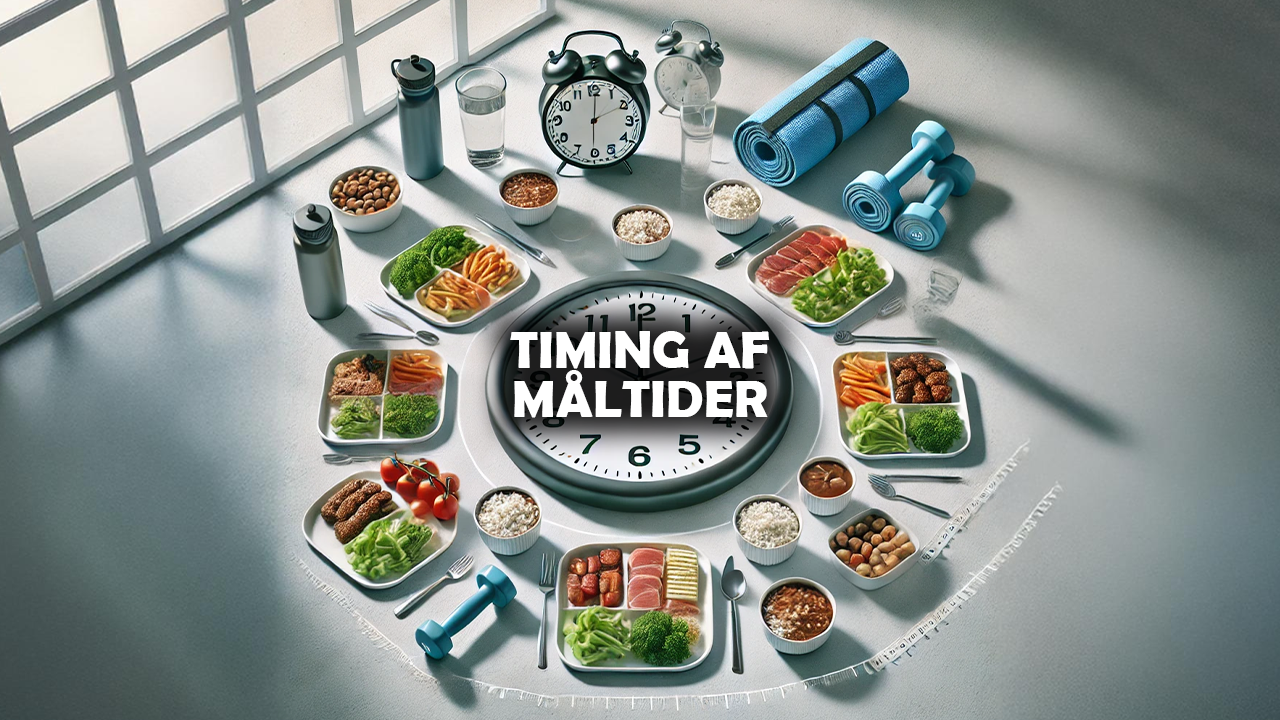
When you want to combine exercise and nutrition for optimal results, it is not just what you eat that matters, but also when you eat it. The timing of your meals in relation to your exercise has a significant impact on your energy levels, performance and recovery.
Many people underestimate how much eating the right meal at the right time can improve the effectiveness of their exercise. In reality, meal timing can make the difference between a workout where you feel full of energy and one that feels exhausting and unproductive. A well-chosen meal before exercise gives you the energy to perform, while a properly balanced meal afterwards helps your body rebuild and recover.
Meals between your workouts also affect your overall energy levels and your ability to maintain a consistent exercise routine. By learning to time your meals more effectively, you create a natural rhythm in which exercise and nutrition support each other, helping you get the most out of your training efforts – both in the short and long term.
Inspiration List – Optimise When You Eat in Relation to Your Exercise
⭐ Eat Before Exercise to Maintain Steady Energy Levels
A balanced meal before exercise helps you perform better and avoid energy slumps that can make your workout feel exhausting and ineffective. Ideally, your pre-workout meal should contain a combination of easily digestible carbohydrates, a little protein and minimal fat, allowing your body to process the energy quickly. Examples of suitable meals before exercise include yoghurt with fruit, a small bowl of porridge or a banana. When you eat approximately 1–2 hours before exercising, you give your body time to prepare, allowing you to train with greater intensity and endurance. This strategy makes your exercise more effective and reduces the risk of dizziness or discomfort during your workout.
💡 Focus on Recovery Meals After Exercise
After exercise, your body needs nutrients to repair muscles, replenish energy stores and stabilise blood sugar levels. A good recovery meal should contain both protein and carbohydrates to support this process. Protein helps with muscle repair, while carbohydrates replenish glycogen stores, which are used during exercise. Suitable options include an omelette with vegetables, chicken with rice, a protein smoothie or skyr with berries. When you eat a recovery meal within 30–90 minutes after exercise, you give your body optimal conditions for recovery, helping you feel stronger and more energised for your next workout.
🔥 Plan Small Snacks Around Your Exercise
Snacks can be a great help when you want to maintain stable energy levels throughout the day and ensure you have enough energy for your exercise. A good snack might be a handful of nuts, a piece of fruit, a small sandwich or a glass of smoothie. You could also choose a healthy snack, and you can find inspiration for making your own healthy snacks in our article – Great Tips for Budget-Friendly and Healthy Snacks for the Family.
By strategically scheduling your snacks between workouts, you can avoid significant fluctuations in blood sugar levels that may make exercise unnecessarily demanding. Snacks are particularly useful on days when you engage in prolonged physical activity or have a busy schedule that leaves longer gaps between your main meals. This helps create a more consistent exercise routine, keeping your body ready for activity throughout the day.
🌿 Adjust Meal Timing to Suit Your Type of Exercise
Different types of exercise require different approaches to meal timing. High-intensity exercise and strength training often require more energy before a workout and faster recovery afterwards, whereas gentler activities such as walking or yoga require less precise timing. If you exercise in the morning, a light breakfast can work wonders, while evening workouts may require better planning of your evening meal to ensure that you are not exercising on either a completely full or an empty stomach. By learning how your body responds to different meal timings and types of exercise, you can develop a personalised strategy that makes every workout more effective, comfortable and energising.
REMEMBER – Eat the right meals at the right times, and good energy will become a natural part of your training, while also helping you achieve better exercise results.
Hydration in Relation to Exercise
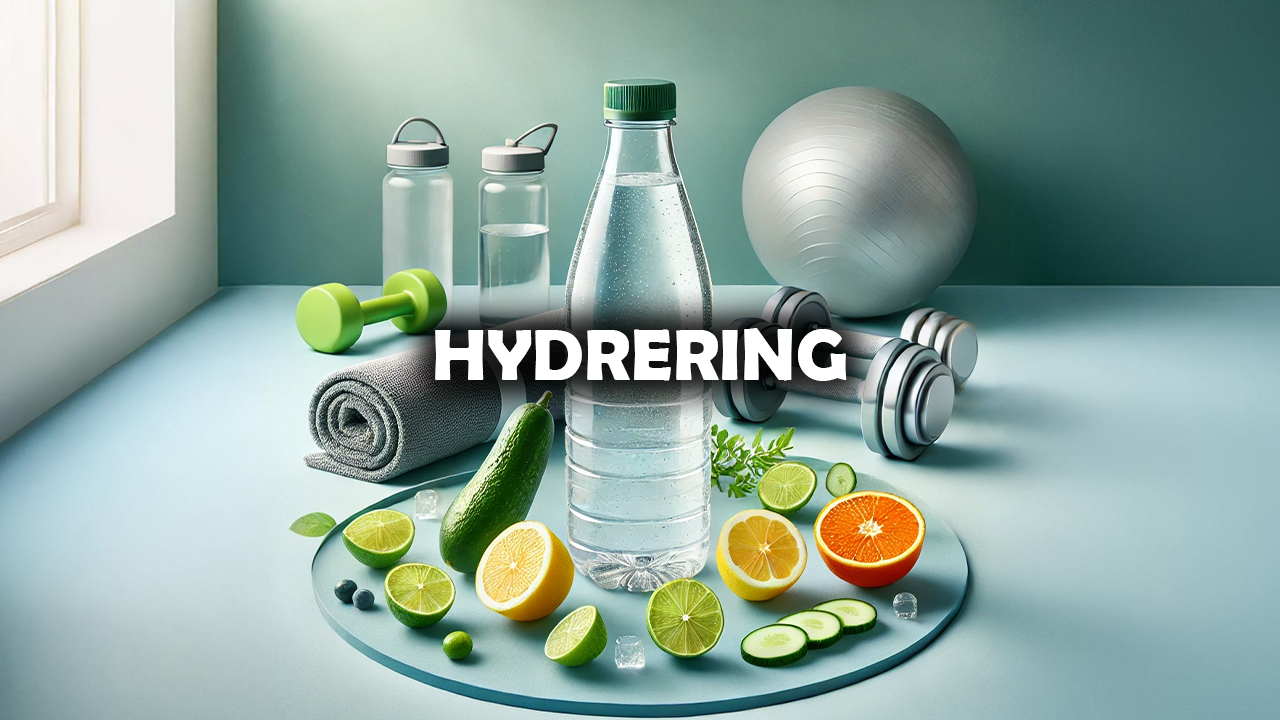
When you combine exercise and nutrition to achieve optimal results, hydration is one of the most crucial – and often overlooked – factors. Water plays a central role in virtually every bodily function, and when you exercise, your needs increase significantly. Even mild dehydration can affect your performance during exercise, your energy levels and your ability to recover.
That is why proper fluid intake before, during and after exercise is essential if you want to maintain a healthy, consistent and effective training routine. However, hydration is not just about drinking water; it is also about understanding how your fluid intake should be adjusted according to the intensity and duration of your exercise. The more you sweat, the more fluids and salts you lose – and the more important it becomes to replenish them.
A good hydration strategy makes exercise easier, improves your endurance and helps your body transport nutrients, regulate temperature and maintain proper muscle function. By establishing regular hydration habits in your daily life, you can not only achieve better results but also enjoy a healthier and more energising exercise experience.
Inspiration List – How to Ensure Optimal Hydration for Your Exercise
⭐ Drink Water Before Exercise to Get Off to a Strong Start
Hydration begins long before your exercise session starts. When you drink water in the hours leading up to exercise, you provide your body with a solid foundation, allowing it to perform optimally without becoming dehydrated too early. Your body uses water to regulate temperature and transport oxygen around the body, which is why adequate fluid intake before exercise is essential.
Remember to drink plenty of water throughout the day to stay hydrated, and a good rule of thumb is to drink approximately 500 ml of water 1–2 hours before training. Too little fluid can lead to dizziness, fatigue and reduced concentration. By ensuring that you drink fluids regularly before exercising – especially if you have had a busy or hot day – you can get off to a more consistent start, help your body function smoothly and reduce the risk of sudden energy slumps.
💡 Stay Hydrated During Exercise for Better Performance
When you exercise, your body temperature rises, and sweat production increases to help keep your body cool. It is important to replace the fluids you lose along the way. During moderate exercise, small sips of water may be enough, but during prolonged or intense exercise, you may need to supplement your fluid intake with electrolytes, which help maintain the balance of salts and fluids in your body. Drink 200–300 ml of water during your workout, depending on its intensity. Staying hydrated during exercise improves concentration, increases endurance and reduces muscle cramps. It also makes exercise much more comfortable, as your body does not have to fight dehydration while simultaneously trying to perform at its best.
🔥 Replenish Fluids After Exercise for Better Recovery
After exercise, your body works hard to restore its fluid balance, regulate its temperature and support muscle recovery. This makes hydration afterwards just as important as hydration before and during exercise. When you drink water after exercising, you help your body stabilise blood pressure, replenish fluid stores and eliminate waste products that accumulate during physical activity. You can replace fluid lost during training by drinking at least 500 ml of water.
If you have trained intensely or sweated heavily, it may be beneficial to choose drinks containing electrolytes or eat foods that help with rehydration, such as watermelon, oranges or coconut water. Good hydration after exercise gives your body the support and nourishment it needs, helping you feel strong and ready for your next workout.
🌿 Adjust Your Hydration to Suit Your Type of Exercise
Different types of exercise require different hydration strategies. Gentle activities such as walking or yoga place relatively modest demands on fluid intake, while high-intensity exercise such as running, interval training or strength training places much greater demands on your body. Environmental conditions, including heat, cold and humidity, also affect your needs.
When you adjust your hydration to suit the type and duration of your exercise and the surrounding conditions, you create a personalised strategy that makes your workouts more effective and much more comfortable. You also learn to listen to your body's signals – thirst, fatigue, reduced concentration and feeling hot – so that you can respond more effectively and avoid dehydration. This helps make both short and long exercise sessions feel more manageable and deliver better results.
REMEMBER – Good hydration is a key factor in all effective exercise, and when you manage your fluid intake thoughtfully around your workouts, you can perform at your best.
Vary Your Exercise for Optimal Results
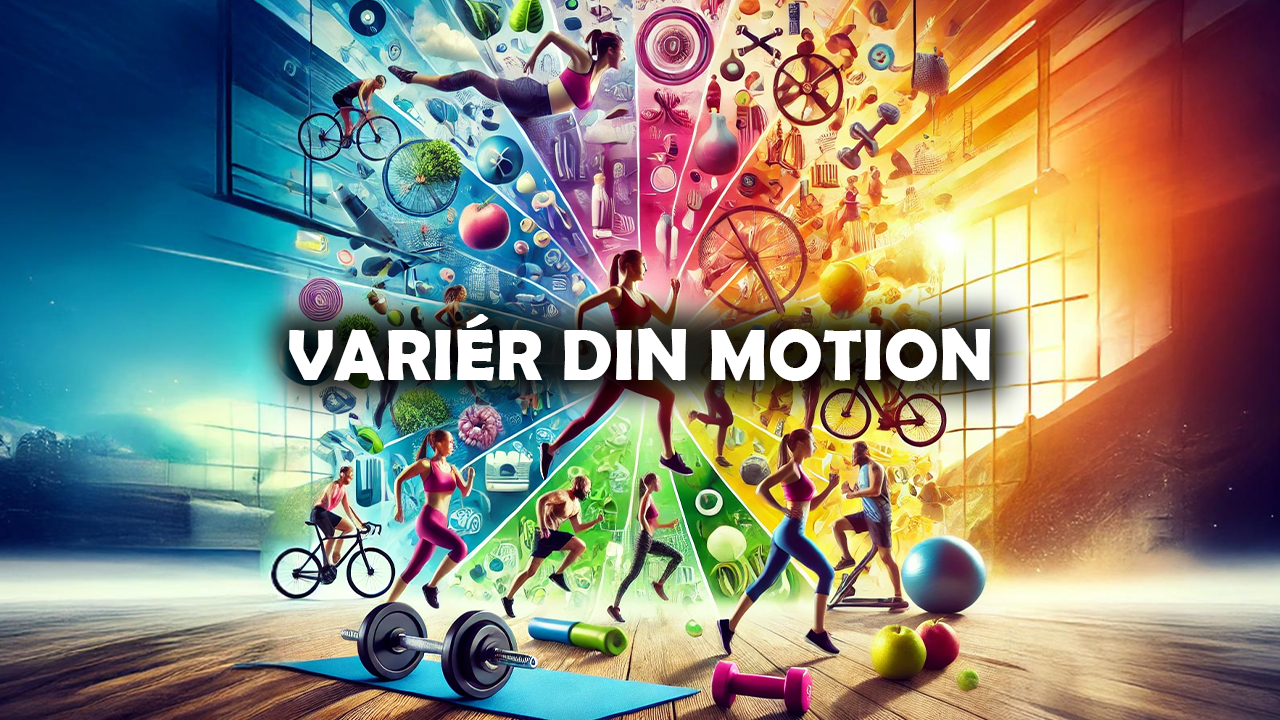
When you want to combine exercise and nutrition to achieve the best possible results, variety in your exercise routine is one of the most effective strategies. Many people fall into the habit of following the same training routines week after week, but the body adapts quickly, and when exercise becomes too repetitive, progress can stall. By varying your exercise regularly, you challenge your body in new ways and improve your cardiovascular fitness, muscle strength, balance and endurance.
At the same time, variety makes training more motivating, helping you maintain a consistent exercise routine in the long term. Varying your exercise does not mean changing everything every week, but rather combining different types of training, intensities and durations. When you mix strength training, cardiovascular exercise, mobility training and gentle forms of movement, you develop a stronger, more versatile body and a healthier balance in your training.
This also helps you match your diet more effectively to your exercise, as different forms of physical activity require different types of fuel. When you learn to vary both your exercise and your nutrition strategy, you create a balanced lifestyle that provides lasting energy, improved wellbeing and much better training results.
Inspiration List – How Variety Benefits Your Exercise and Your Results
⭐ Combine Different Types of Exercise for a Stronger Body
When you vary your exercise by incorporating strength training, cardiovascular exercise, mobility training and gentle movement, you challenge your body in several different ways. Cardiovascular exercise strengthens your heart and lungs, while strength training improves muscle strength and metabolism. Mobility training, such as yoga or stretching, increases flexibility, making everyday movement easier and gentler on your body. Gentler activities, such as walking or cycling, help burn fat and support recovery.
When these forms of exercise are combined, you develop a stronger, more flexible and better-balanced body. This improves your performance and makes it easier to maintain your desired training goals. Variety in exercise is not just good for your body – it also keeps your motivation alive.
💡 Change the Intensity of Your Exercise to Challenge Your Body
Variety also means changing the intensity of your exercise. High-intensity exercise, such as interval training, can increase calorie expenditure, strengthen your cardiovascular system and improve explosive power. Moderate exercise, such as steady running or cycling, builds a solid training foundation and improves endurance. Low-intensity exercise, such as gentle walking or light training, is ideal on recovery days when your body needs movement without excessive strain.
One example would be around 150 minutes of moderate-intensity exercise or around 75 minutes of high-intensity exercise per week, combined with strength training twice a week. By switching between these intensities, you introduce variety into your exercise routine, helping your body avoid stagnation. It also makes your diet easier to adjust, as you can vary your energy intake according to your activity level each day. Varying the intensity keeps your body progressing continuously.
🔥 Avoid Overtraining by Varying Your Exercise Wisely
When exercise becomes repetitive, the risk of overuse, injuries and soreness increases. Variety is therefore an important part of injury prevention. By switching between forms of exercise that place demands on different muscle groups, you give your body the opportunity to recover without losing progress.
For example, this could mean running one day, strength training the next and gentler exercise, such as swimming or cycling, afterwards. This allows you to maintain a high training frequency without repeatedly overloading the same joints, muscles and tendons. By varying your exercise, you keep your body healthy, strong and resilient – and establish an exercise routine that you can maintain for many years.
🌿 Make Exercise More Motivating by Trying New Activities
Variety in exercise also offers significant mental benefits: it increases motivation. When you try new forms of exercise – such as dancing, boxing, hiking, group fitness classes or perhaps a new sport – your workouts become more enjoyable and unpredictable. This keeps your motivation high and makes exercise something you look forward to. At the same time, you learn new movement patterns that improve your body's versatility and make you stronger in several areas. When exercise feels inspiring, it becomes easier to prioritise it. Higher motivation can also lead to better food choices, as you naturally want to support your exercise with healthier sources of energy.
You can find inspiration on how to maintain your motivation for exercise throughout the year in our article – Great Tips on How to Stay Motivated to Exercise All Year Round.
REMEMBER – A well-considered and varied exercise strategy helps you develop a stronger, happier and more dynamic body. The right variety in your exercise routine also leads to better training results.
Adapting Nutrition and Exercise to Your Lifestyle

When you want to combine exercise and nutrition for optimal results, it is essential that both your training and eating habits fit the lifestyle you actually lead. Many people start with great ambition but give up because their plan does not fit into their everyday lives. It is therefore much better to create a balance in which both nutrition and exercise support your needs, energy levels and daily routines, rather than feeling that you have to live up to a perfect lifestyle plan that does not fit your life.
Adaptation is about being realistic, flexible and understanding how your body responds. When you learn to combine exercise, meals and breaks with your work routines, social activities and sleep, you develop a much more sustainable strategy. This makes it easier to stay consistent and achieve results that you can maintain.
Small adjustments, such as choosing forms of exercise you genuinely enjoy, planning healthy meals that fit your schedule and making time for recovery, make all the difference in the long run. A lifestyle-based approach means that you do not have to force yourself into a lifestyle programme; instead, your nutrition and exercise become a natural part of your day. This makes your lifestyle journey healthier, more enjoyable and more sustainable.
Inspiration List – Create a Sustainable Balance Between Exercise and Your Lifestyle
⭐ Exercise and Nutrition – Find a Type of Exercise That Fits Your Everyday Life
For exercise to become a natural part of your lifestyle, you need to choose activities that suit your daily routines and personal preferences. If you have a busy schedule, short and effective workouts such as HIIT or home exercises may be easier to maintain. If you have a sedentary job, you can benefit from incorporating physical activity into your breaks, such as going for walks or doing some gentle stretching. And if you love spending time outdoors, cycling, running or hiking can provide both physical activity and peace of mind. When exercise feels like something you choose to do willingly, rather than something you force yourself to do, it becomes much easier to stick with it. This harmony makes your exercise routine more consistent, inspiring and relevant to your particular circumstances.
💡 Plan Meals That Support Your Exercise Without Stress
A diet that is tailored to your exercise and lifestyle does not have to be complicated. It is about planning meals that are realistic and easy to prepare, even on busy days. By preparing healthy snack options, simple evening meals and energy-rich breakfasts, you can avoid impulse purchases and unplanned choices that do not support your exercise routine.
Planning can also involve healthy meal prep once a week, choosing healthy convenience foods or establishing regular meal times that fit around your workouts. When your diet works in harmony with your everyday life, it supports both your energy levels and your motivation to exercise.
🔥 Exercise and Nutrition – Create a Realistic Exercise Plan You Can Maintain Long Term
An effective exercise plan takes your schedule, energy levels and goals into account. When you create a plan that fits your life, exercise becomes both more manageable and more consistent. This might mean scheduling workouts three times a week instead of pushing yourself to train five times. Alternatively, you could spread your exercise sessions across different times of the day, depending on what works best with your working days and family commitments. You could also consider working with a personal trainer or dietitian to create an exercise plan tailored to your needs.
A realistic exercise plan can be adjusted as your life changes, and this flexibility helps you avoid feeling stressed or under pressure. The result is a more positive and motivating exercise experience that you can maintain over time. To create a long-term, realistic training plan, it is important to keep your motivation going. You can find some great tips on how to do this in our article – Great Tips on How to Stay Motivated to Exercise All Year Round.
🌿 Exercise and Nutrition – Create a Balance Between Exercise, Rest and Mental Wellbeing
A lifestyle that includes regular exercise is not just about physical activity – it is also about taking breaks, allowing time for recovery and looking after your mental wellbeing. When you give your body time to recover after a demanding workout, your muscles have the opportunity to become stronger, and you can avoid exhaustion. Mental wellbeing also plays an important role – exercise should support you in everyday life, not become a source of stress. It can help to incorporate gentler forms of exercise, such as yoga, stretching or light cardio, on days when your energy levels are low. By listening to your needs and creating a balance between exercise, rest and everyday activities, you can build a stronger, happier and more sustainable lifestyle.
REMEMBER – When exercise and nutrition are adapted to your lifestyle, motivation follows naturally. A balance between exercise and everyday life creates results that last, even in the long term, benefiting both your health and your enjoyment of everyday life.
You can find further inspiration on how to maintain a healthy diet that helps optimise the results you achieve through exercise in our article – Great Tips for Affordable Superfoods That Make Your Meals Both Tastier and Healthier.
Listen to Your Body When You Exercise

One of the most important keys to combining exercise and nutrition in a healthy and effective way is the ability to listen to your body's signals. Your body tells you exactly what it needs – both when you have the energy to push yourself a little further and when you need rest, adjustments or recovery.
If you experience pain, dizziness or unusual fatigue, these are signs that you should reduce the intensity or take a break. Remember that recovery is an important part of the training process and that a healthy diet helps your body recover more quickly. If you ignore your body's signals, you risk overtraining, stagnation or injuries that could force you to take a prolonged break from exercise. However, when you learn to listen and respond, exercise becomes a natural part of your lifestyle, and your results become both stronger and more sustainable.
Listening to your body does not mean avoiding challenges. Instead, it means finding the right balance between pushing yourself and taking breaks. Muscle fatigue, your energy levels, sleep quality and desire to exercise are all important factors that help you find the right level. When you combine your body's signals with a diet that supports your exercise, you create a solid foundation for physical strength, mental wellbeing and much more consistent training results.
Inspiration List – Learn to Listen to Your Body for Better and More Effective Exercise
⭐ Exercise and Nutrition – Respect the Signs of Overexertion During Exercise
When you exercise, it is important to know the difference between healthy exertion and genuine overexertion. If you experience sharp pain, unusual fatigue, dizziness or excessive soreness, your body is telling you that something is not right. By responding early, you can avoid long-term injuries that might otherwise keep you away from your daily exercise routine for weeks. Overexertion often occurs when exercise becomes too repetitive, the intensity is too high or the body does not get enough rest and nourishment. By adjusting your exercise in good time – whether by choosing a gentler form of training, taking a break or working on your technique – you protect your body and strengthen its ability to stay healthy and strong in the long term.
💡 Exercise and Nutrition – Use Your Energy Levels as a Guide to Your Daily Exercise
Your body's energy levels are one of the most reliable indicators of the type of exercise you should do on any given day. If you feel energetic and mentally alert, you may be able to undertake more intensive exercise, such as running, strength training or interval training. However, on days when your energy is low, gentler forms of exercise, such as walking, yoga or light cycling, may be much more beneficial. This is not about being lazy, but about planning your exercise intelligently in a way that respects your body's needs. When you listen to what your energy levels are telling you, you can avoid exhaustion, improve your training progress and make exercise a consistent part of your everyday life.
🔥 Exercise and Nutrition – Learn to Distinguish Between Healthy and Unhealthy Pain During Exercise
Healthy pain – such as the familiar muscle soreness that follows a workout – is a natural result of exercise that challenges your muscles and helps them become stronger. However, some types of pain are your body's way of warning you. Joint pain, sudden sharp pain, numbness or tingling are signs that exercise is placing inappropriate strain on your body. By distinguishing between these signals, you can adjust your exercise before minor problems develop into more serious injuries. This may mean switching exercises, reducing the weight, changing your technique or taking a break. This awareness makes your exercise both safer and more effective – and far more sustainable in the long run.
🍽️ Exercise and Nutrition – Use Hunger and Fullness as Guides for Your Exercise
Hunger and fullness signals are your body's natural way of telling you what it needs in relation to both nutrition and exercise. When you learn to understand and respect these signals, it becomes much easier to establish a harmonious rhythm between your meals and your exercise. If you start exercising on an empty stomach, you may experience dizziness, low energy levels or reduced performance because your body simply has not received the fuel it needs. Conversely, exercising immediately after a large meal can cause discomfort, heaviness or nausea because your body is still digesting the food.
By listening to your natural hunger and fullness cues, you can time your meals more effectively in relation to your exercise. Feeling slightly hungry may be a suitable time for moderate exercise, whereas stronger hunger may mean that you need a small meal before training to ensure your body has enough energy to perform. Fullness cues after exercise are also important: your body often needs protein and carbohydrates to support recovery. When you understand and respect hunger and fullness, you can avoid unnecessary energy slumps, overeating and poorly timed meals – while improving the quality of your exercise and your body's ability to function consistently. This intuitive approach makes it easier to develop a healthy, flexible and personalised nutrition and exercise strategy that you can maintain in the long term.
🌿 Exercise and Nutrition – Listen to Your Body Regularly to Maintain a Healthy Balance in Your Exercise Routine
Your body's signals are not just about pain or energy – they also relate to mental clarity, motivation and wellbeing. If you repeatedly feel reluctant to exercise, it may be a sign that you have been overtraining, lack variety or need more recovery time. By listening to these mental signals, you can adjust your exercise habits and find a better balance. Some days you may need a demanding workout, while on others you may benefit from gentle movement. When you accept this variation as a natural part of exercise, you develop a much healthier relationship with both training and nutrition. A body in balance leads to better training results, greater motivation and more enjoyment of life.
⚠️ Exercise and Nutrition – Understand the Significance of Persistent Fatigue in Relation to Exercise
Persistent fatigue is one of the most important signals your body can send when it comes to exercise. Many people ignore this ongoing exhaustion and try to push through their workouts, but in the long run, this can do more harm than good. Persistent fatigue may indicate that your body is not getting enough rest between workouts, that your diet lacks important nutrients or that your exercise routine is too repetitive, placing strain on the same muscle groups again and again. It can also result from insufficient sleep or stress, both of which weaken your body's ability to perform during exercise.
When you experience persistent fatigue, it is important to stop and assess where the tiredness is coming from. You may need to change the intensity of your exercise, increase your rest periods or focus on more nutrient-rich foods that better support your training. It may also be worth visiting your doctor to have tests carried out to determine whether your body has any physiological deficiencies. Gentler forms of exercise, such as light walking, stretching or balance exercises, can be a good way to keep your body moving while giving it time to replenish its energy. Taking persistent fatigue seriously is not a sign of weakness – it is an essential investment in a healthy and strong fitness journey that will serve you well in the long term.
REMEMBER – By listening to your body's signals regularly, you can find the type of exercise that works best for you on any given day. This is important for maintaining your motivation to exercise in the long term.
Monitoring and Adjusting Your Exercise and Nutrition

When you want to combine exercise and nutrition in a targeted and effective way, it is important to monitor your habits regularly and adjust them as needed. Your body changes over time, and so do your energy levels, training goals and daily routines.
That is why both your exercise and your diet should evolve alongside you. Monitoring is not about control in a negative sense, but about developing awareness. When you understand how exercise affects your diet – and vice versa – you can make better choices more easily, leading to consistent and long-term training results. Adjustments are just as important as monitoring. You may need more energy on days when you exercise intensely or fewer calories on days when your activity levels are lower.
You may need more protein after strength training or more carbohydrates before cardiovascular exercise. You may also need to adapt your exercise routine to your sleep, stress levels or everyday schedule. Making small, ongoing adjustments helps you maintain a healthy balance, avoid stagnation and ensure that both your diet and exercise continue to work for you – rather than against you.
Inspiration List – Strengthen Your Progress Through Regular Monitoring of Exercise and Nutrition
⭐ Exercise and Nutrition – Track Your Exercise to Understand Your Progress
By recording your exercise – including its intensity, duration and type – you gain a better understanding of how your body responds to your training. You can do this using a training diary, an app or a smartwatch. When you track your exercise systematically, you gain insight into patterns such as energy levels, improvements in performance and more challenging days.
You can find inspiration for useful fitness apps that can help you track your progress and keep your exercise routine organised in our article – Great Tips for Apps That Can Track Your Training Routine.
This knowledge of your progress helps you adjust your exercise more precisely, avoid stagnation and maintain high motivation. Tracking makes it clear which forms of exercise work best for you and which may need adjusting.
💡 Exercise and Nutrition – Adjust Your Diet According to Your Activity Level
Your diet should change according to the amount of exercise you do. Days involving intense exercise require more energy, while quieter days require less. By monitoring how your meals affect your exercise – for example, whether you feel heavy, light, strong or tired – you gain valuable information that makes it easier to adjust your diet. You may need to increase your protein intake on strength-training days, add more carbohydrates before intense exercise or include healthy sources of fat on days when you engage in prolonged physical activity. Making ongoing adjustments helps your diet support your training much more effectively.
🔥 Exercise and Nutrition – Use Data to Adjust the Intensity of Your Exercise
Modern technology allows you to see how exercise affects your body in real time, including your heart rate, calorie expenditure, step count, resting heart rate and sleep. This data can help you adapt your exercise more intelligently. If your resting heart rate increases, it may be a sign of overexertion. If your heart rate consistently remains in the lower zones, your exercise may be too easy. By actively using this data, you can adjust your pace, weights, duration or type of exercise to keep your training challenging and help you continue making progress. This makes exercise safer, more enjoyable and more effective at delivering results.
🌿 Exercise and Nutrition – Regularly Evaluate the Balance Between Exercise, Diet and Recovery
Monitoring is not just about numbers; it is also about how balanced you feel. A healthy fitness journey requires you to regularly assess whether your workouts, meals and recovery are aligned with your goals and everyday life. If you constantly feel hungry, tired, restless or under pressure, it may be time to adjust your exercise, diet or rest. A regular evaluation – for example, every week or month – allows you to fine-tune your habits so that you continually work with your body rather than against it. This mindful approach creates steady progress, with exercise and nutrition working together as a strong team.
REMEMBER – Developing awareness through regular measurements makes combining exercise and nutrition much more effective. By tracking your progress and making ongoing adjustments, you can optimise your efforts and continue making progress.
You can find inspiration for healthy foods that will optimise your exercise in our article – Great Tips for Healthy, Budget-Friendly Meals Featuring Fresh Seasonal Ingredients.
Exercise and Nutrition – The Importance of Recovery When Exercising

Recovery is a crucial but often underestimated part of an effective exercise routine. Many people focus on the exercise itself and overlook the fact that the body actually develops most while it rests. When you exercise, you create small amounts of damage in your muscles, joints and energy stores, and your body's ability to repair and rebuild these areas is essential for both progress and good health.
Without sufficient recovery, you risk stagnation, fatigue, reduced performance and, in the worst cases, overuse injuries that can force you to take a lengthy break from exercise. Recovery is not about being inactive – it is about giving your body the optimal conditions to recover, recharge and improve. This requires a combination of rest, nutrition, hydration, sleep and mental relaxation.ge and improve. This requires a combination of rest, nutrition, hydration, sleep and mental relaxation.
When the volume, intensity and type of exercise you perform are properly balanced with periods that allow your body to recover, you create a strong foundation for physical development, mental wellbeing and sustainable exercise habits in the long term. Recovery is therefore not a break from exercise – it is just as important a part of the exercise process as the training itself.
Inspiration List – Achieve Better Results with Proper Recovery from Exercise
⭐ Exercise and Nutrition – Prioritise Sleep to Support Your Exercise and Recovery
Sleep is one of the most important elements of recovery when you exercise. During sleep, your body repairs muscle tissue, replenishes energy stores and regulates hormone levels, all of which have a significant impact on your performance. Without sufficient sleep, you work against your body's natural rhythms, weakening your immune system, endurance and ability to exercise effectively.
By prioritising 7–9 hours of quality sleep, you create optimal conditions for your exercise routine, as you approach every workout with more energy, focus and strength. Sleep is not a luxury – it is an essential part of your exercise strategy. You can find tips on establishing a good sleep routine in your everyday life in our article – Great Tips for a Better and More Consistent Sleep Routine – Sleep Well Every Night!
💡 Exercise and Nutrition – Use Active Recovery to Support Your Exercise Routine
Active recovery is a gentle way to keep your body moving while allowing your muscles and joints to recover. It can include light activities such as walking, mobility exercises, yoga, gentle cycling or relaxed stretching. This type of movement improves blood circulation, reduces soreness and helps your body clear waste products after strenuous exercise. Active recovery is particularly effective the day after an intense workout because it keeps your body moving without placing strain on the areas that need time to repair themselves. This creates a healthy balance between exercise and rest.
🔥 Exercise and Nutrition – Give Your Muscles Time to Recover After Intense Exercise
When you perform strenuous or intense exercise, your muscle fibres break down to an extent that requires targeted rebuilding. By giving your body the rest and time it needs to repair itself, you increase muscle strength, improve endurance and reduce the risk of injury. This may involve taking 1–2 rest days per week or alternating between muscle groups so that your exercise routine does not repeatedly overload the same areas. Pushing yourself without taking breaks does not produce better results – it produces poorer results. Muscles grow and become stronger during rest, not during training.
🌿 Exercise and Nutrition – Adjust Your Diet, Hydration and Mental Rest for Optimal Exercise Performance
Recovery is not just about physical rest – it is also about giving your body the right nutrients and allowing your mind to recharge. A diet rich in protein, healthy fats and slow-release carbohydrates helps your body recover more quickly after exercise. Hydration is equally important, as fluids support muscle function and the removal of waste products.
At the same time, mental rest plays a significant role in your ability to perform during exercise. Stress, racing thoughts and pressure can negatively affect both motivation and performance. By creating small moments of calm – for example, through meditation, deep breathing or spending time in nature – you give your body better conditions for approaching exercise with energy and mental clarity. You can find inspiration for mindfulness and meditation in our article – Great Tips for Strengthening Your Mental Wellbeing Through Mindfulness and Meditation.
REMEMBER – A well-planned recovery strategy is the driving force behind effective exercise, and giving your body the rest it needs is essential for achieving good results from every workout.
Conclusion

When you want to combine exercise and nutrition in a way that delivers lasting and noticeable results, it ultimately comes down to balance, awareness and consistency. Exercise and food do not work as two separate elements – they enhance each other when allowed to function as part of a complete system. By listening to your body, adjusting your diet to your activity level, varying your exercise and giving yourself the recovery time you need, you create a strong foundation for both physical and mental health.
The most important thing is not to do everything perfectly, but to do something consistently. Small changes to both your diet and exercise routine can lead to significant improvements over time, and when you find a lifestyle that fits naturally into your everyday life, it becomes much easier to stick with it. The combination of nutritious food, targeted exercise and good daily habits will not only deliver short-term results — it will build health, greater energy, strength, wellbeing and stability for many years to come.
Regardless of where you are today, you can always take a new step in the right direction. It is about finding a healthy rhythm that works for you — and allowing exercise and nutrition to work for you, not against you. Remember that it is a process, and small, consistent changes can make a big difference in the long term to your exercise, diet and overall health.
Mini Guide – How to Combine Exercise and Nutrition for Optimal Results
This mini guide summarises the article above and provides useful tips on how to combine exercise and nutrition for optimal results.
⭐ Eat Strategically Before Exercise to Boost Your Performance
Your body needs the right fuel before you begin exercising. Carbohydrates provide quick energy and should be a key part of your pre-workout meals to help you avoid heavy legs, difficulty concentrating and reduced intensity. Moderate amounts of protein help stabilise blood sugar levels and provide your body with a good foundation, particularly if you engage in strength-based exercise. Avoid heavy, fatty meals before exercising, as they can cause discomfort and sluggishness. A healthy snack or light meal 1–2 hours before exercise can make a significant difference to both your performance and motivation.
💧 Hydrate Before, During and After Exercise to Optimise Your Body's Function
Water plays a huge role in your body's ability to exercise effectively. Even mild dehydration can noticeably reduce your performance and make exercise unnecessarily demanding. By drinking water regularly throughout the day – especially before exercising – you allow your body to regulate its temperature, transport oxygen and keep your muscles functioning properly under physical strain. During exercise, you should drink small amounts of water during longer or more intensive workouts. After exercise, hydration is essential for restoring fluid balance and supporting your body's recovery. In hot temperatures or during strenuous exercise, electrolytes can provide additional benefits.
🍗 Protein After Exercise Supports Faster Recovery and Better Results
Once your workout is over, your body's repair process begins. Protein is essential at this stage. It helps rebuild the muscle fibres that have been challenged during exercise, allowing them to become stronger. It also helps stabilise your energy levels for the rest of the day. If your exercise has been particularly intensive, your body may need additional protein combined with carbohydrates to replenish muscle glycogen stores. It is not about consuming large amounts, but about quality and timing.
🔄 Vary Your Exercise to Challenge Your Entire Body and Avoid Stagnation
Your body develops best when you challenge it in different ways. Repetitive exercise leads to repetitive results. By combining cardiovascular exercise, such as running, cycling or dancing, strength training, using free weights, machines or your own body weight, and gentler forms of exercise, such as yoga, stretching or walking, you create a well-rounded exercise routine.
Varying your exercise helps prevent overuse injuries, increases motivation and ensures a more comprehensive approach to physical development. It also makes exercise more enjoyable and easier to maintain in the long term.
🎧 Listen to Your Body and Make Exercise Flexible and Sustainable
Your body constantly sends signals about the type of exercise it is ready for. Some days, you may be able to perform high-intensity exercise, while other days call for a gentler approach. By listening to your body, you can make more consistent progress and avoid injuries. If you feel extremely tired, sore or unable to concentrate, it may be a sign that you should reduce the intensity of your exercise for the day. Conversely, you can make the most of high energy levels by exercising with greater intensity. Flexibility creates sustainability.
🧘 Adapt Your Diet and Exercise to Everyday Life for Long-Term Success
It is much easier to maintain a healthy routine when your diet and exercise work with your daily schedule rather than against it. If you work long hours, short workouts at home may be more realistic. If you love outdoor activities, use nature as your exercise space. If you eat at regular times, plan your exercise sessions accordingly. When you take your own habits into account, exercise and nutrition become a positive, integrated part of your everyday life rather than a burden.
😴 Ensure Quality Recovery to Strengthen Your Exercise Routine in the Long Term
Recovery is the foundation of effective exercise. Without sufficient rest, your body cannot rebuild muscle, regulate its hormonal system or stabilise its nervous system. This leads to slower progress and a greater risk of injury. Good-quality sleep, short periods of active recovery, gentle exercise on lighter days and mental relaxation are all elements that improve the quality of your exercise. When you take recovery seriously, your training results become stronger, more consistent and more sustainable in the long term.
For further inspiration on how to combine exercise and nutrition effectively, watch this video – What Is the Best Advice for Health, Nutrition and Exercise?
Do you have experience and/or knowledge of an effective combination of exercise and nutrition for optimal results? We would love to hear your thoughts and/or suggestions in the comments section, including any additional ideas on how to combine exercise and nutrition effectively so that you can see results quickly from the right combination of exercise and diet.