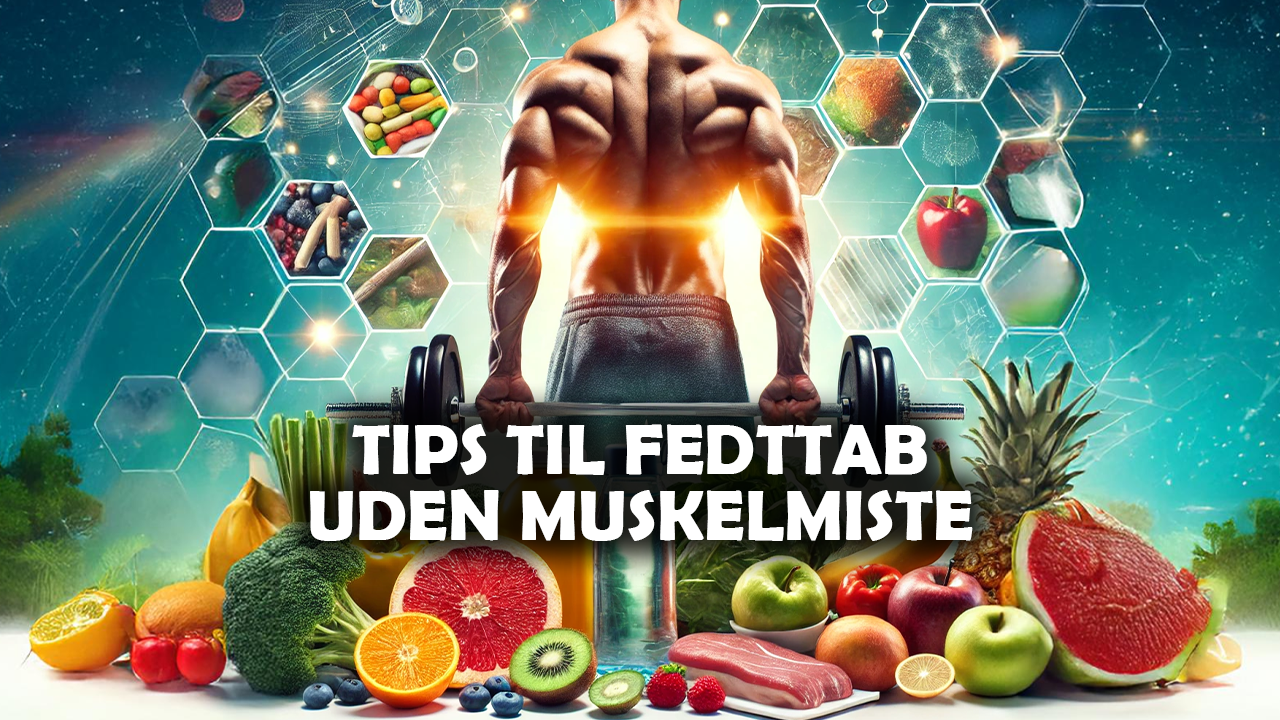
Losing fat without losing muscle mass at the same time is one of the most sought-after – but also most misunderstood – goals in health and fitness. Many people believe that losing weight is simply a matter of consuming fewer calories and exercising more, but the truth is more complex.
When you reduce your calorie intake too quickly or train without a clear plan, you risk your body beginning to break down muscle tissue instead of fat. The result? A lower number on the scales, but a weaker, less toned body that functions less efficiently.
Effective fat loss is therefore not just about eating less – it is about eating the right foods, training strategically and supporting your body through the processes that make it possible to preserve muscle mass. Muscle mass is not just about appearance; it is also a key factor in metabolism, strength, hormonal balance and your overall well-being.
The more muscle mass you have, the easier it is to burn calories – even when you are resting. This is precisely why it is essential to approach weight loss in a way that does not undermine the muscle development you may have spent months or years building.
In this article, you will find a practical, easy-to-understand and well-researched guide to combining the right dietary strategies, training methods and lifestyle habits to achieve healthy, steady and sustainable fat loss – without compromising muscle mass.
We cover everything from protein requirements and energy balance to strength training, recovery, sleep and small daily routines that can make a surprisingly big difference. Whether you are new to fitness or an experienced trainee simply looking to fine-tune your approach, you will find a solid foundation and a realistic plan to support both fat burning and muscle preservation.
The goal is simple – to become a stronger, healthier and more balanced version of yourself, without having to sacrifice muscle mass along the way.
Understand Energy Balance to Lose Fat Without Losing Muscle Mass
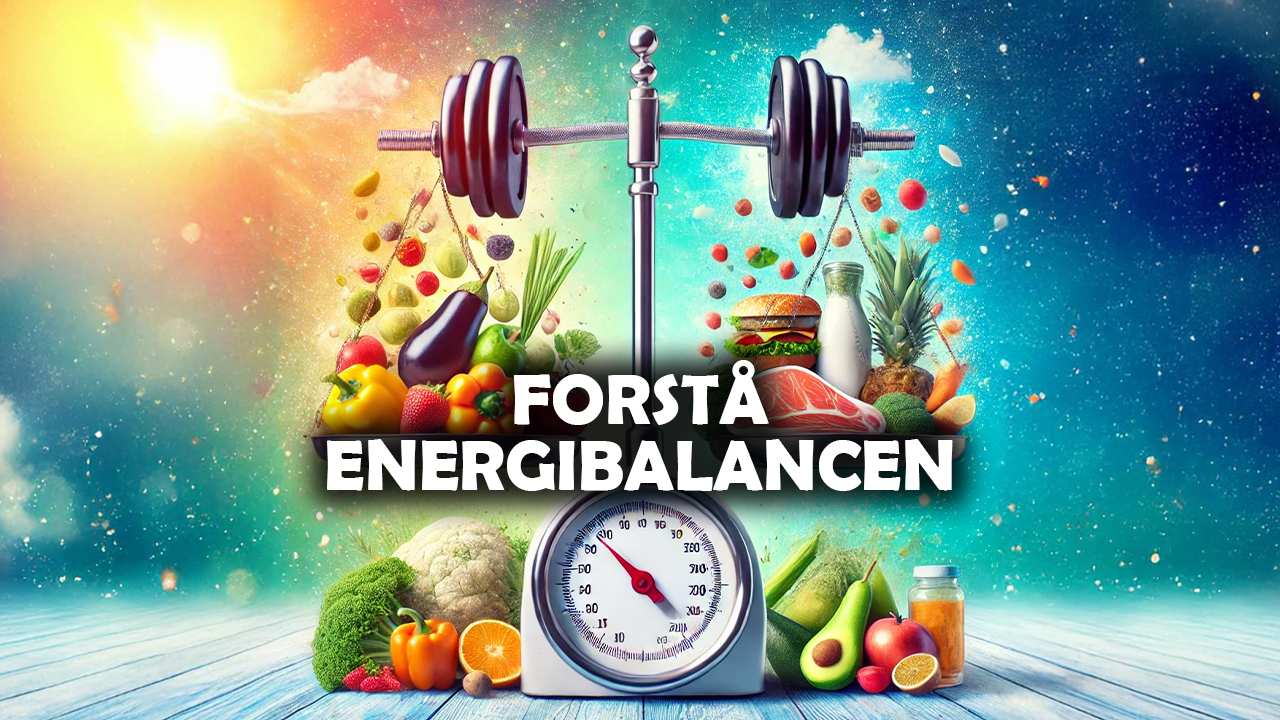
If you want to lose fat without losing muscle mass, it is essential to understand how energy balance influences your body weight and calorie burning. Energy balance describes the relationship between the energy you consume through food and drink and the energy your body uses through physical activity, digestion and basic bodily functions. When you create a sensible, moderate calorie deficit – rather than an overly aggressive one – you give your body the opportunity to use fat as its primary energy source while preserving muscle mass.
Many people make the mistake of cutting calories too quickly, putting their bodies under stress. At this point, the body begins to burn not only fat but also break down muscle tissue to obtain energy. A sensible calorie deficit is often around 300–500 calories per day, depending on your activity level and body composition. This is where the right energy balance plays a crucial role – allowing you to make consistent progress without compromising your muscles or undermining your training performance.
When you manage your energy balance strategically, you give your body the optimal conditions for burning fat, maintaining strength and improving recovery. It is not just about eating less – it is about eating smarter and, importantly, combining calorie balance with sufficient training, protein and rest. This allows you to build a healthier, stronger body while reducing your body fat percentage.
Inspiration List – How to Manage Your Energy Balance Effectively to Lose Fat Without Losing Muscle Mass
⭐ Understand Your Daily Energy Balance to Lose Fat Without Losing Muscle Mass
Understanding your daily energy balance is the key to targeted fat loss because it gives you insight into how much energy your body burns throughout the day. Once you understand this relationship, it becomes easier to create a moderate deficit that focuses on fat burning without placing unnecessary strain on your muscles. By tracking your progress over time, you can also learn how your body responds to changes in diet and exercise, allowing you to fine-tune your energy balance more precisely.
⭐ Avoid Reducing Your Energy Intake Too Much to Lose Fat Without Losing Muscle Mass
An overly drastic reduction in your energy intake can create more problems than solutions when you are trying to lose fat without losing muscle mass. When your body receives too little energy, it can quickly shift into a kind of “survival mode”, where fat burning slows down and muscles begin to be used as an energy source.
This means you may lose weight, but not the right kind of weight. By avoiding extreme calorie deficits and instead making mild, controlled adjustments to your energy balance, you can maintain a more stable metabolism, improve training performance and significantly increase your chances of preserving the muscle mass you have worked so hard to build. A balanced approach is not only healthier – it is also far more effective and sustainable in the long run.
🔥 Create a Stable Energy Balance Through Small Adjustments to Lose Fat Without Losing Muscle Mass
Small dietary adjustments are often all it takes to influence your energy balance in the right direction. These might include smaller portions, more vegetables or a slight reduction in calorie-dense foods. You can find further inspiration for combining exercise and nutrition effectively in our article – Great Tips on How to Combine Exercise and Nutrition for Optimal Results
An approach based on small, gradual adjustments is more sustainable than drastic changes because it places less stress on your body. A stable, controlled energy balance allows you to continue losing fat while ensuring your muscles receive the nutrients they need to be preserved.
🏋️ Use Strength Training to Improve Your Energy Balance and Lose Fat Without Losing Muscle Strength
Strength training is one of the most effective tools for positively influencing your energy balance. When you build muscle mass, your basal metabolic rate increases, meaning your body burns more energy – even at rest. This gives your energy balance a natural boost because muscle tissue requires more energy than fat tissue. As a result, strength training supports both fat loss and muscle preservation.
🍽️ Eat a Protein-Rich Diet for a Healthy Energy Balance and Fat Loss Without Losing Muscle Strength
A protein-rich diet helps regulate your energy balance by increasing feelings of fullness and supporting muscle development. Protein requires more energy to digest than either carbohydrates or fat, which also contributes to higher overall energy expenditure. In addition, protein helps prevent muscle loss when you are in a calorie deficit. It is therefore a key factor when you want to manage your energy balance in a way that promotes fat loss.
💧 Hydration as Part of Your Energy Balance for Fat Loss Without Losing Muscle Strength
Although water contains no calories, hydration plays an important role in energy balance. When you are properly hydrated, your metabolism functions more efficiently, digestion is supported and training quality improves. All these factors affect your body's overall energy expenditure. By drinking plenty of water, you help your body function more efficiently – making your energy balance easier to manage.
REMEMBER – When you understand and maintain the right energy balance, it becomes easier to optimise both muscle preservation and fat loss.
Protein – Your Best Friend for Preserving Muscle Mass During Fat Loss
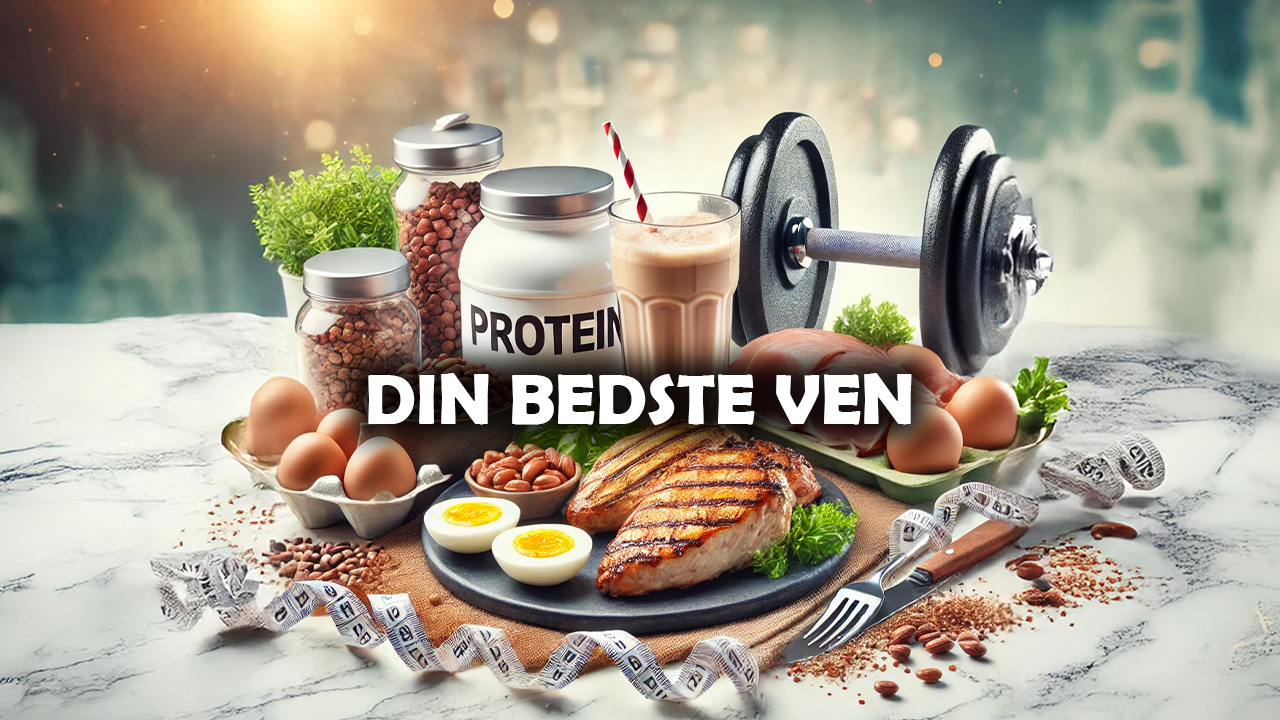
When you are working towards losing fat without losing muscle mass, protein is one of the most important building blocks in your diet. Protein provides the foundation for repairing and building muscle tissue, and without enough of it, you risk your body beginning to break down muscle when you are in a calorie deficit. This means that even if the number on the scales goes down, you are not necessarily losing fat – and this can hinder your strength, metabolism and body shape.
To protect your muscles during weight loss, your body needs a consistent supply of protein every day. It helps keep you feeling full, improves recovery and provides your body with the nutrients it needs to preserve muscle tissue, even when your calorie intake is slightly lower than usual. At the same time, protein stimulates muscle protein synthesis, the biological process responsible for building and repairing muscle fibres after exercise. When you combine sufficient protein intake with strength training, you create the optimal conditions for losing fat while building or maintaining a strong, healthy and energetic body.
One of the most effective strategies is to spread your protein intake evenly throughout the day. This allows your body to use amino acids continuously to preserve muscle mass, reduce hunger and stabilise energy levels. Protein is therefore more than just an ingredient – it is one of your most important tools for keeping your body strong and resilient during fat loss.
Inspiration List – How to Use Protein Wisely When Losing Fat Without Losing Muscle Mass
🍗 Plan Your Daily Protein Intake Strategically When Losing Fat Without Losing Muscle Mass
Planning your protein intake creates a strong foundation for preserving muscle. By spreading your protein intake evenly throughout the day – for example, across breakfast, lunch, dinner and small snacks – you provide your body with a steady supply of building blocks to maintain muscle mass. Strategic protein planning helps you avoid significant fluctuations in hunger and energy levels, making it easier to stick to a healthy, balanced diet even when you are in a calorie deficit. This routine also reduces the risk of overeating and ensures that your body does not need to break down muscle tissue to obtain energy.
🥚 Choose High-Quality, Protein-Rich Foods When Losing Fat Without Losing Muscle Mass
The quality of your protein makes a significant difference to your progress. Foods such as eggs, fish, lean meat, skyr, lentils and beans provide your body with essential amino acids needed for both muscle growth and recovery. By choosing protein sources with high biological value, you ensure that your body gets the most out of every serving. This helps you stay fuller for longer and increases muscle protein synthesis, better protecting your muscles during weight loss. In other words – good-quality protein is an investment in a healthier body and stronger muscles.
🥛 Use Protein to Stay Full and Maintain Stable Energy Levels When Losing Fat Without Losing Muscle Mass
Protein has a strong satiating effect, making it an excellent tool for preventing overeating when you are trying to lose fat. When your diet contains sufficient protein, you can maintain more stable blood sugar levels and experience fewer cravings, making it much easier to keep your calorie intake at a level that promotes fat loss. As a general rule, aim for 1.6–2.2 grams of protein per kilogram of body weight per day. Protein also helps ensure that you have the energy to train effectively and maintain an active daily routine – both of which are essential for preserving muscle mass and promoting fat burning.
💪 Combine Protein with Strength Training for Maximum Results When Losing Fat Without Losing Muscle Mass
When you combine a solid protein intake with strength training, you take one of the most effective approaches to preserving muscle mass while reducing your body fat percentage. Strength training provides the necessary stimuli to signal to your body that your muscles are important, while protein supplies the building materials needed to rebuild and strengthen them. This synergy allows you to achieve better results with a lower risk of muscle loss. It is precisely this combination that distinguishes successful fat loss from general weight loss, where your body may also lose the muscle you most want to preserve.
🧀 Include Convenient, High-Protein Snacks in Your Daily Routine When Losing Fat Without Losing Muscle Mass
Small, protein-rich snacks can make it easier to maintain a high total daily protein intake without feeling that you constantly need to eat large meals. Options include skyr, low-sugar protein bars, cheese cubes, almonds or a boiled egg. By making protein a natural part of your snacks, you ensure that your body receives a steady supply of nutrients to help preserve muscle mass and maintain energy levels throughout the day. This is particularly useful on busy days when there may be long gaps between main meals and you need extra support to stay full and preserve muscle.
REMEMBER – Protein is the foundation of healthy fat loss without muscle loss, as it protects your muscles while you lose fat.
Strength Training for Muscle Preservation When Losing Fat
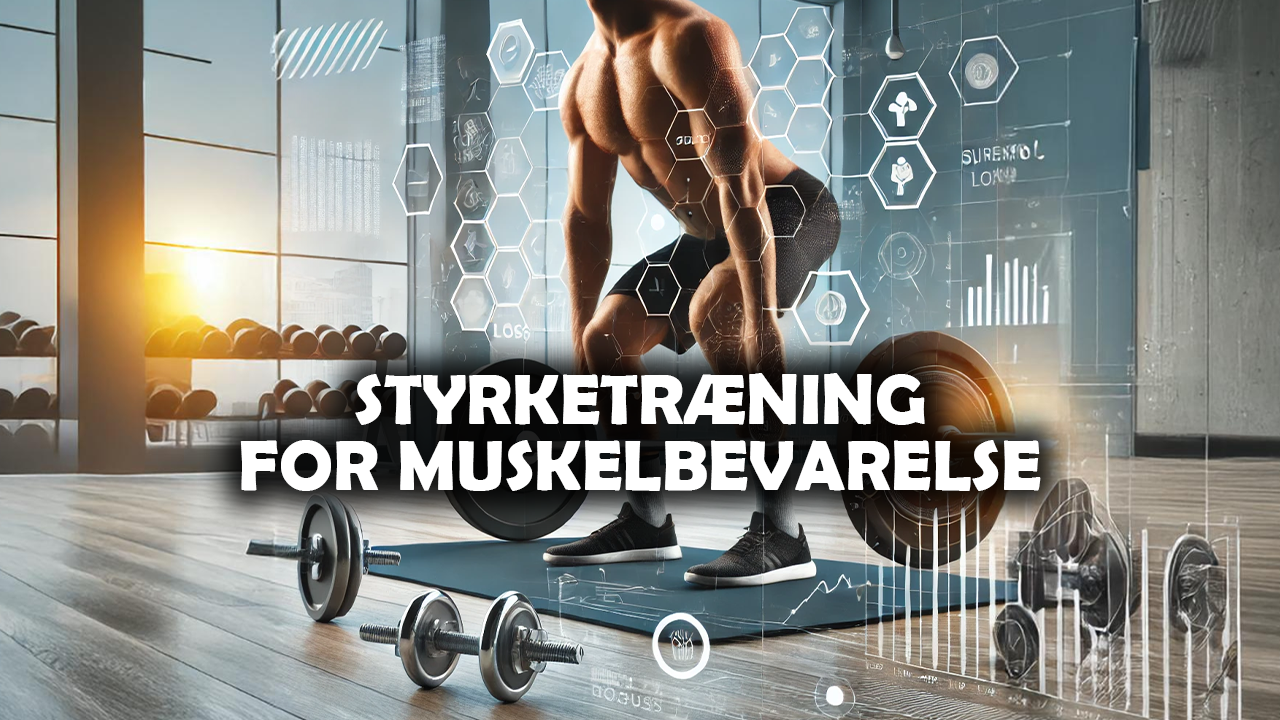
If you want to lose fat without losing muscle mass, strength training is one of the most essential building blocks of your strategy. When your body is in a calorie deficit, it naturally seeks alternative energy sources, and without the right training stimulus, you risk your muscle mass being used as fuel. Strength training tells your body that your muscles are necessary – and that they need to be preserved. This is precisely why focusing on diet alone is not enough; your body must be regularly challenged with external resistance to signal to your muscles that they need to stay strong.
A good strength training routine not only increases your muscle strength but also boosts your metabolism. Muscle tissue uses more energy than fat tissue, and the more muscle mass you preserve, the easier it becomes to burn fat, even when you are resting. You can therefore achieve significantly better fat-burning results by sticking to strength training – even while losing weight. At the same time, strength training improves your body's hormonal balance, enhances your performance and helps you feel stronger in everyday life.
To get the most out of the process, it is important to train at an intensity that challenges you without overloading your body. Focus on compound exercises such as squats, deadlifts, bench presses, pull-ups and rows, which activate several muscle groups at once. When you combine this type of strength training with sufficient protein and proper recovery, you create the optimal conditions for preserving muscle mass while reducing your body fat percentage in a healthy and effective way.
Inspiration List – Effective Ways to Incorporate Strength Training When Losing Fat Without Losing Muscle Mass
🏋️ Build a Consistent Strength Training Routine into Your Weekly Schedule When Losing Fat Without Losing Muscle Mass
Establishing a consistent strength training routine makes an enormous difference when it comes to preserving muscle. When you strength train several times a week, you continually signal to your body that muscle mass is important – even when you are in a calorie deficit. A structured and regular approach to strength training helps you avoid periods of insufficient activity, which can lead to a loss of muscle strength. The more consistently you train, the easier it becomes to combine fat loss with muscle preservation.
💪 Focus on Compound Exercises in Your Strength Training When Losing Fat Without Losing Muscle Mass
Compound exercises such as squats, deadlifts, bench presses, pull-ups and rows are the foundation of effective strength training because they activate several large muscle groups at once. Train each muscle group 2–3 times a week for optimal results. This type of strength training promotes greater strength gains, better muscle stimulation and higher calorie expenditure than isolation exercises. By using compound exercises as the foundation of your routine, you make your strength training more effective and help your body prioritise muscle preservation over muscle loss, even when you reduce your calorie intake.
🔥 Gradually Increase the Intensity of Your Strength Training When Losing Fat Without Losing Muscle Mass
Progressive overload – increasing the resistance, number of repetitions or training volume – is an essential part of any strength training programme designed to preserve muscle mass. By gradually increasing the workload, you challenge your muscles to adapt, helping to prevent plateaus and muscle loss. Adjusting the intensity of your strength training improves both strength and muscle definition and ensures that your body continues to recognise your muscles as necessary. The better you apply progressive overload, the stronger you can become, even in a calorie deficit.
⚖️ Balance Your Strength Training with Sufficient Rest When Losing Fat Without Losing Muscle Mass
Strength training is not just about the work you put in at the gym – recovery periods are just as important. Muscles are better able to grow and be maintained during recovery, and without sufficient rest, even the best strength training programme can have the opposite effect. By getting enough sleep and taking rest days, you give your body the opportunity to repair muscle tissue and maintain muscle strength. A good balance between training and rest ensures that strength training supports your fat loss rather than becoming an additional strain on your body.
🥗 Support Your Strength Training with Proper Nutrition When Losing Fat Without Losing Muscle Mass
Even the best strength training programme requires fuel. That is why it is important to eat a varied, protein-rich diet so your body has everything it needs to preserve muscle mass. Nutrition plays an important role in how your body responds to strength training, and without the right nutrients, your body cannot fully benefit from your workouts. When you combine strength training with substantial, nutrient-rich meals, it becomes much easier to preserve your muscles and reduce your body fat percentage in a healthy and sustainable way.
REMEMBER – The right approach to strength training gives you the muscle power you need to lose fat without sacrificing strength. When your strength training is on track, the rest of the weight-loss process becomes easier because it provides the solid foundation that keeps your body strong and balanced.
Cardio Training – Moderation Is Key When You Want to Lose Fat Without Losing Muscle Mass

Cardio training is an effective tool for increasing calorie expenditure and supporting fat loss, but moderation is essential if your goal is also to preserve muscle mass. Many people push themselves too hard with long runs, intense spinning classes or daily cardio sessions, placing so much stress on their bodies that they begin to break down muscle tissue to obtain extra energy. Cardio training should therefore be used strategically – not excessively.
The right amount of cardio training helps you create a calorie deficit in a controlled way while allowing your body to maintain its strength and muscle definition. When you balance cardio training with strength training and sufficient protein intake, you establish a healthy foundation for reducing your body fat percentage without compromising muscle mass. The key is to find an intensity and duration that improve your cardiovascular fitness and burn calories without putting muscle preservation at risk.
Light to moderate cardio, such as brisk walking, cycling, rowing or short intervals, is often much more effective than long, exhausting sessions. These forms of exercise place less strain on your body, allowing you to preserve energy for strength training, which is fundamental to protecting your muscles. Moderation in cardio training is not a compromise – it is a strategy that helps you improve your fitness, increase fat burning and build a stronger body.
Inspiration List – How to Use Cardio Training Wisely When You Want to Lose Fat Without Losing Muscle Mass
🚶 Start with Light Cardio Training to Protect Muscle Mass When Losing Fat Without Losing Muscle Mass
Light cardio activities such as brisk walking, cycling or gentle rowing provide a steady calorie expenditure without putting excessive strain on your muscles. By starting at a low intensity, you give your body the opportunity to burn fat over a longer period without unnecessarily increasing the risk of muscle breakdown. This approach to cardio training is particularly effective for beginners or anyone in a calorie deficit, when the body is already working harder than usual. Light cardio also improves blood circulation, supports recovery and helps maintain stable energy levels throughout the day.
🏃 Use Shorter Intervals in Your Cardio Training When Losing Fat Without Losing Muscle Mass
Interval training is an effective way to improve cardiovascular fitness without placing unnecessary strain on your muscles. Short, controlled intervals provide an intense training stimulus that significantly increases calorie expenditure without the prolonged muscular strain that longer sessions can cause. Intervals are also time-efficient and allow you to maintain your strength training alongside them. When you combine interval-based cardio training with a moderate calorie deficit, you create an effective approach to losing fat without losing muscle mass.
🚴 Combine Cardio and Strength Training in Your Weekly Workout Plan When Losing Fat Without Losing Muscle Mass
The most effective strategy is to make cardio and strength training work together. When combined correctly, cardio training helps increase calorie expenditure, while strength training helps preserve or build muscle mass. For example, you can schedule your cardio sessions on days when you are not lifting heavy weights, or use short cardio sessions as a warm-up before strength training. This balanced approach allows you to benefit from both forms of exercise without unnecessarily risking muscle loss.
🔁 Vary Your Cardio Training to Avoid Overloading Your Body When Losing Fat Without Losing Muscle Mass
Variation is important when you want to use cardio training without overloading your body. Alternate between different activities, such as cycling, running, rowing or swimming, so that your muscles and joints are not subjected to the same repetitive strain. By switching between different types of cardio, you can improve your overall endurance while reducing the risk of injury. Variety also makes it easier to stay motivated because your workouts feel more enjoyable and less repetitive.
⏳ Set an Upper Limit for the Duration of Your Cardio Sessions When Losing Fat Without Losing Muscle Mass
When your goal is to preserve muscle mass, it is important to avoid making your cardio sessions too long. Long, exhausting workouts can deplete your body's energy reserves and increase the risk of your muscles being used as fuel. By keeping your sessions to 20–40 minutes, you can achieve a solid training effect without overloading your body. This structured approach to cardio training allows you to benefit from increased fat burning while ensuring your body has enough energy for strength training.
REMEMBER – A well-planned and balanced cardio programme makes fat loss more effective and helps you build a stronger body without losing muscle mass.
Prioritise Recovery and Sleep When Training to Lose Fat Without Losing Muscle Mass

When your goal is to lose fat without losing muscle mass, recovery and sleep play a much greater role than many people realise. Training breaks down muscle fibres, but it is during periods of rest that your body rebuilds and strengthens them. Without sufficient recovery, your body may not have enough time to repair your muscles, increasing the risk of muscle loss – even if your training programme is perfectly planned. Rest and sleep are therefore not luxuries but essential foundations of any effective fat-loss strategy.
Sleep is also essential for hormonal balance, which directly influences both fat burning and muscle preservation. When you do not get enough sleep, your body produces more of the stress hormone cortisol, which increases the risk of muscle breakdown and encourages fat storage. Good-quality sleep, on the other hand, supports the hormones that help preserve muscle mass, increase energy levels and improve your training performance.
Recovery is not just about taking a break – it is about giving your body the time, rest and nutrients it needs to function optimally. Light activity, proper nutrition, hydration and mental relaxation all play a part. When you combine intelligent training with prioritised recovery and good-quality sleep, you create a strong foundation for steady, healthy fat loss without compromising your muscles.
Inspiration List – Use Recovery and Sleep Strategically in Your Training to Lose Fat Without Losing Muscle Mass
😴 Prioritise Consistent Sleep as Part of Your Training When Losing Fat Without Losing Muscle Mass
Sleep is one of the most important factors in preserving muscle mass, which is why it should be considered an essential part of your training programme. When you sleep for 7–9 hours every night, you support your body's hormonal balance, which is crucial for both fat loss and muscle repair. Good-quality sleep also improves your ability to perform effectively during training and helps you maintain consistent effort from week to week. When you prioritise sleep, you can significantly improve the effectiveness and quality of your training.
You can find inspiration for developing a good, consistent sleep routine in our article – Great Tips for a Better and More Consistent Sleep Routine – Sleep Well Every Night!
💆 Incorporate Active Rest Days into Your Training When Losing Fat Without Losing Muscle Mass
Active rest days involving light walking, gentle stretching or low-intensity cycling allow your body to recover without becoming completely inactive. This approach supports blood circulation, which can help speed up the muscle recovery process. Active rest days also help you stay motivated and maintain a consistent training routine. By incorporating active recovery into your training programme, you support both your recovery and your ability to preserve muscle mass.
🛀 Use Mental Relaxation as Part of Your Training When Losing Fat Without Losing Muscle Mass
Stress can significantly affect your training results. Mental relaxation – such as meditation, deep breathing or spending some time in quiet reflection – should be considered a valuable part of your training routine because it reduces the body's stress levels and supports muscle repair. By incorporating mental relaxation alongside physical training, you help create an environment in which muscle preservation and fat loss can occur more effectively.
You can find inspiration for mindfulness exercises and meditation in our article – Great Tips for Strengthening Your Mental Well-being Through Mindfulness and Meditation
🥗 Support Your Training with Proper Nutrition During Recovery When Losing Fat Without Losing Muscle Mass
Your diet plays an important role when you want to combine training with muscle preservation. Protein, healthy sources of fat and carbohydrates are necessary for replenishing energy stores and repairing muscles after exercise. By providing your body with the right nutrients during recovery, you help ensure that your training delivers the best possible results and that you do not lose muscle mass due to inadequate nutrition. Nutrition is therefore an indispensable part of any training programme designed to balance fat loss and strength.
You can find further inspiration for combining diet and exercise effectively in our article – Great Tips on How to Combine Exercise and Nutrition for Optimal Results
🧘 Listen to Your Body and Adjust Your Training When Losing Fat Without Losing Muscle Mass
Your body sends signals when it needs more rest, and it is important to listen to them to protect your muscle mass. If you experience exhaustion, reduced strength or increased stiffness, these may be signs of overtraining. By adjusting the intensity or volume of your training, you can avoid muscle injuries and promote a healthier balance. Listening to your body is an often-overlooked aspect of good training, but it is essential for maintaining muscle strength in the long term.
REMEMBER – Sleep and recovery are your secret weapons in any successful training programme. Losing fat without losing muscle requires carefully planned training, but equally important are good-quality sleep and sufficient recovery.
Supplements as an Aid When Training to Lose Fat Without Losing Muscle Mass
Supplements can be a useful addition when training to lose fat without losing muscle mass, but they work best as an extra tool – not as a replacement for a healthy diet and training discipline. The most important foundations will always be your daily calorie and protein intake, the quality of your diet and how you structure your training. However, once these factors are in place, certain supplements can give you an extra boost, making your journey towards fat loss and muscle preservation more effective.
The most popular supplements for this type of training include protein supplements, creatine, omega-3 fatty acids, vitamins and minerals – as well as caffeine if you need an energy boost before training. These products can help improve recovery, maintain strength, increase your energy during workouts and ensure that your body receives the nutrients it needs while you are in a calorie deficit. When you choose supplements wisely and combine them with well-structured training and healthy eating habits, you can protect muscle mass and optimise fat burning.
However, the most important thing to understand is that supplements do not produce results on their own. They support systems that are already working and give you an advantage when used sensibly. As long as you prioritise good nutrition, training and recovery, the right supplements can be a valuable aid in making the process easier and more effective.
Inspiration List – Supplements That Support Your Training to Lose Fat Without Losing Muscle Mass
💪 Use Protein Supplements to Support Your Training When Losing Fat Without Losing Muscle Mass
Protein supplements such as whey, plant protein or casein can effectively support your training, especially when you want to preserve muscle mass while in a calorie deficit. They make it easier to reach your daily protein target, which is essential for muscle repair and strength. When you use protein supplements strategically – for example, after training or as a snack – you ensure that your body always has the building blocks it needs for your muscles. This makes your training more effective and reduces the risk of muscle loss.
🔋 Choose Creatine to Improve Your Energy During Training When Losing Fat Without Losing Muscle Mass
Creatine is one of the most thoroughly researched supplements for improving exercise performance. It increases your body's ability to produce energy during short bursts of intense activity, making it particularly useful for strength training. When you take creatine regularly, you may be able to lift heavier weights and perform more repetitions, helping you preserve muscle mass even while losing fat. Creatine can help you train harder and maintain a high standard of performance during your lifts.
🐟 Add Omega-3 to Support Healthy Training When Losing Fat Without Losing Muscle Mass
Omega-3 fatty acids may support recovery and help regulate inflammation in the body, benefiting both your everyday life and your training. When training to lose fat without losing muscle mass, effective recovery is important so that you can perform well in your next workout. Omega-3 may also support joint and muscle health, helping you manage the physical demands of training. By including omega-3 as part of your nutritional routine, you can help provide your body with better conditions for staying healthy and strong.
⚡ Use Caffeine Strategically to Enhance Your Training When Losing Fat Without Losing Muscle Mass
Caffeine is a well-known performance-enhancing substance that can improve focus, energy and endurance during exercise. When used sensibly – for example, as a pre-workout supplement – it can provide a significant energy boost, making your training more intense and effective. This means you can achieve higher-quality workouts even when you are in a calorie deficit. Caffeine can be particularly useful on days when your energy levels are low but you still want to complete a good workout to help preserve muscle mass.
🧴 Ensure Adequate Vitamins and Minerals to Support Your Training When Losing Fat Without Losing Muscle Mass
When you are in a calorie deficit and train regularly, your body may have increased nutritional demands for certain vitamins and minerals. A multivitamin or targeted supplements containing magnesium, vitamin D and zinc may help support energy levels, muscle function and the immune system. These micronutrients are important for your body to function optimally as a whole – and therefore also help ensure that your training delivers the best possible results. Maintaining the right balance of micronutrients can help prevent nutritional deficiencies from hindering your training.
REMEMBER – When training and supplements work together in the right way, fat loss becomes easier and muscle strength is better maintained.
Be Mindful of Stress When Training to Lose Fat Without Losing Muscle Mass

Stress is one of the factors that is often overlooked when the goal is to lose fat without losing muscle mass. Many people focus on diet, training and calories but forget that the body's stress levels directly affect hormonal balance, recovery and the ability to preserve muscle tissue. When the body is under stress, it produces more cortisol, and elevated cortisol levels over an extended period can both hinder fat loss and increase the risk of muscle breakdown. Managing stress is therefore an important part of any training programme.
Training itself is a form of physical stress, and in small amounts, this is a good thing. However, when you combine intense training with insufficient sleep, too few calories and the mental pressures of everyday life, your body can become unbalanced. It may begin to hold on to fat stores and use muscle mass as an energy source instead. That is why it is essential to plan your training wisely while also making room for mental and physical relaxation.
Being mindful of stress does not mean avoiding training; it means being aware of the demands you place on your body and making adjustments so that it can keep up. Less stress means better hormonal balance, improved recovery and stronger results. When your body feels safe and supported, it can lose fat and preserve muscle mass much more effectively.
Inspiration List – How to Reduce Stress When Training to Lose Fat Without Losing Muscle Mass
🧘 Use Easier Training Days to Balance Your Workout Routine When Losing Fat Without Losing Muscle Mass
Easier training days – such as light strength training, yoga or a gentle walk – are effective ways to reduce your body's overall stress load. This type of exercise allows your body to slow down without requiring you to skip training altogether. By incorporating these easier days into your routine, you help your nervous system regain balance, giving you more energy for your harder workouts. The result is better recovery, lower cortisol levels and improved muscle preservation.
🌬️ Practise Deep Breathing Before and After Training When Losing Fat Without Losing Muscle Mass
Deep breathing is an underrated but highly effective way to reduce stress around your training. By focusing on calm, controlled breathing before a workout, you can lower your stress levels and approach your session with greater focus. After training, deep breaths help lower your heart rate, reduce cortisol levels and signal to your body that it can begin recovering. This approach can make your training more effective and improve your ability to preserve muscle mass.
You can find inspiration for useful mindfulness exercises to practise before and after training in our article – Great Mindfulness Tips for Busy People – Simple Exercises for Everyday Life
🛀 Prioritise Recovery as an Active Part of Your Training When Losing Fat Without Losing Muscle Mass
When you actively prioritise recovery as part of your training, you give your body the support it needs to repair itself. This can include warm baths, stretching, foam rolling or spending some quiet time without distractions. Recovery helps your body reduce stress levels, and when you combine training with mental relaxation, it becomes much easier to keep cortisol levels in check. Your muscles have a better opportunity to grow and become stronger, which is essential during fat loss.
📅 Plan a Balanced Week with Varied Training When Losing Fat Without Losing Muscle Mass
A varied training week, in which you alternate between intense workouts, lighter sessions and rest days, helps keep stress levels low. By planning your training in a way that gives your body time to recover, you reduce the risk of overloading yourself and becoming overtired. This makes it easier to preserve muscle mass and avoid exhaustion. A balanced training plan creates a sense of calm and gives you more energy, helping you achieve better results.
💬 Be Aware of Mental Pressure During Training When Losing Fat Without Losing Muscle Mass
Stress does not come only from physical exertion – mental pressure can be just as exhausting. If you approach your workouts with worries, pressure or high expectations, this can increase cortisol levels and reduce the effectiveness of your training. You can find inspiration for reducing stress in your everyday life in our article – Great Tips for Overcoming Stress and Anxiety – Learn How to Improve Your Mental Health
Establishing a mental routine before training, in which you focus your mind and set aside the pressures of everyday life, can help you perform better and feel more relaxed. This supports muscle preservation and makes training a positive part of your day.
REMEMBER – Lower stress levels lead to better training results. When your body is balanced, managing fat loss while preserving your strength becomes much easier.
Monitor Your Training Progress When Losing Fat Without Losing Muscle Mass
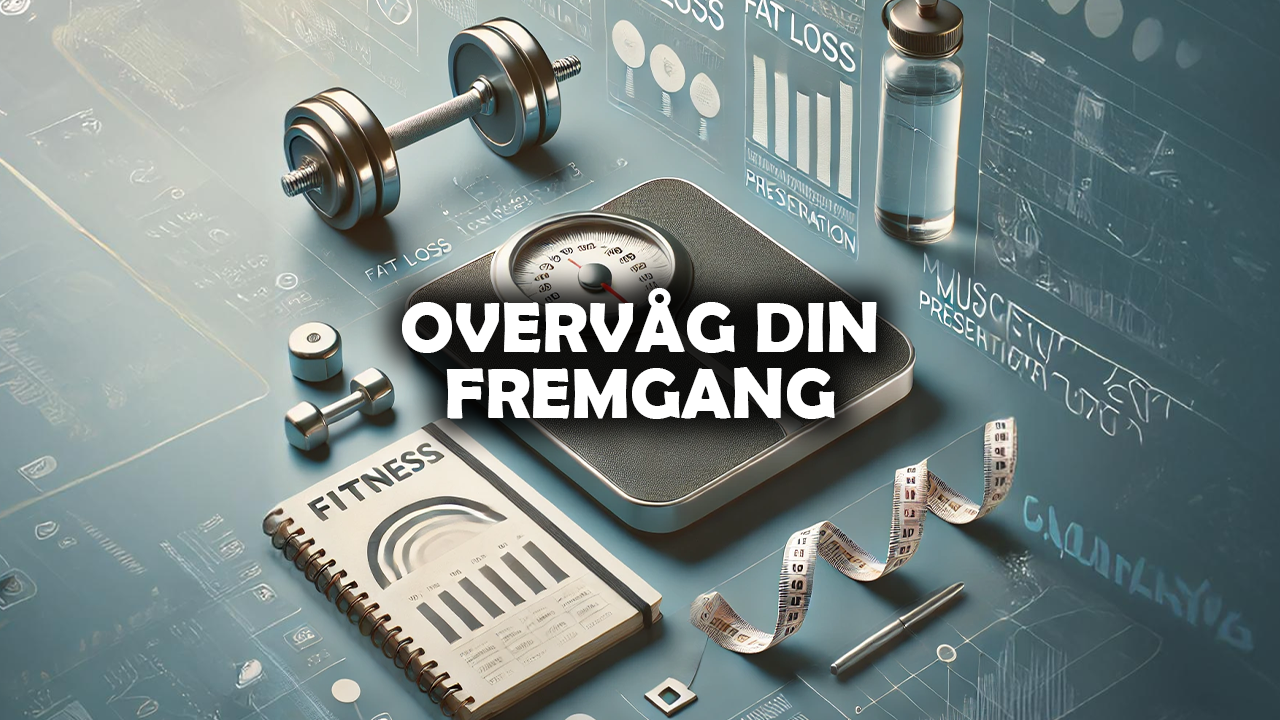
When you are working towards losing fat without losing muscle mass, it is essential to monitor your training progress regularly. Without some form of systematic tracking, you can easily lose sight of your progress, making it difficult to assess whether your training and diet are actually moving you in the right direction. Monitoring is not about control, but about gaining insight – so you can adjust, optimise and improve your results intelligently, without guesswork.
By tracking changes in strength, body measurements, energy levels and recovery, you gain a clear picture of whether your training is working as intended. For example, if your strength declines over several weeks, it could be a sign that your calorie intake is too low or that you are training too hard, potentially leading to muscle loss. Conversely, increasing strength and higher energy levels may indicate that you have found a balanced approach to training, recovery and nutrition.
Tracking your progress also boosts motivation because you can see the small improvements that would otherwise be easy to overlook. You can see how your training changes your body, how your body fat percentage gradually decreases and how your muscles are preserved – making it much easier to stay committed to the process. Monitoring is therefore both a practical tool and a source of mental strength that helps you throughout your fat-loss journey.
Inspiration List – Effective Ways to Monitor Your Training Progress When Losing Fat Without Losing Muscle Mass
📊 Track Your Strength Levels to Tailor Your Training When Losing Fat Without Losing Muscle Mass
Keeping track of your strength in key exercises provides a clear indication of how your body is responding to training. By recording weights, repetitions and sets, you get a concrete picture of whether you are becoming stronger or weaker over time. This type of measurement is particularly important when your goal is to preserve muscle mass, because strength is often one of the first things to decline when your body lacks energy or recovery. By systematically monitoring your strength levels, you can quickly adjust both your training and nutrition to protect your muscles.
📏 Use Body Measurements and Photos as Part of Your Training When Losing Fat Without Losing Muscle Mass
Your weight alone rarely tells the whole story when you are combining fat loss with muscle preservation. Body measurements – such as your waist, hips, thighs and upper arms – can therefore be much more accurate indicators. Combined with regular photos, they provide visual evidence of how your training is affecting your body. Measurements and pictures reveal changes that are not always reflected on the scales, such as greater muscle definition and a lower body fat percentage. This method makes it easier to stay motivated and understand how your training routines are working.
📝 Keep a Training Journal to Track Your Progress When Losing Fat Without Losing Muscle Mass
A training journal – whether physical or digital – gives you unique insight into your development over time. You can use it to record workouts, training loads, energy levels, sleep and nutrition. By noting your experiences and results, it becomes easier to identify trends in your training and understand why some periods go better than others. A journal also helps you spot overtraining, a lack of progress or areas where your training could be optimised. It is an invaluable tool for preserving muscle during fat loss.
You can find inspiration for different training apps that can help you keep track of your workouts and progress in our article – Great Tips for Apps That Can Track Your Training Routine
❤️ Monitor Your Energy Levels and Recovery During Training When Losing Fat Without Losing Muscle Mass
Your energy levels and recovery tell you a lot about how effectively your body is responding to training. If you constantly feel tired, unmotivated or struggle to regain your strength, it may be a sign that your training or diet is too demanding. By using your energy levels as a regular measure of your training, you can avoid pushing your body into a state of overload. Stable energy levels are often a sign that you are burning fat while preserving muscle mass.
⚖️ Track Changes in Your Weight as Part of Your Training – But Don't Rely on Them Alone When Losing Fat Without Losing Muscle Mass
Although weight is not the most important measurement, it can still be useful when monitoring your training progress. Changes in weight can give you a general idea of how your body is responding to your diet and training, but they should always be considered alongside strength levels, body measurements and photos. Your weight can fluctuate depending on fluid levels, sleep and hormones. By using weight trends as an additional indicator – rather than a final judgement – you can assess more accurately whether your training is achieving its intended results.
REMEMBER – You cannot optimise what you do not monitor. When you understand the relevant data from your training, you also understand the best and most effective path towards losing fat without reducing muscle mass.
Conclusion

Losing fat without losing muscle mass requires a balanced and well-considered approach in which nutrition, training, recovery and mental health all work together. It is not about pushing your body to its limits, but about creating the right conditions for it to function optimally. By combining strength training, moderate cardio, sufficient protein, good sleep and stress management, you give your body the best possible chance to burn fat while preserving muscle mass.
The path to lasting results lies in patience, structure and conscious choices. Small adjustments to your daily routine can lead to significant changes over time, and by tracking your progress and making ongoing adjustments, you will learn what works best for you. Remember that the process takes time and consistency is essential. By being patient and working strategically, you can achieve a healthy, balanced body and visible results without compromising your muscle mass.
Most importantly, you need to create an action plan that you can stick to and that fits your own routine and lifestyle. By building strong daily habits around training, nutrition and recovery, you will not only achieve a leaner, stronger body – you will also gain more energy, feel better and enjoy a healthier everyday life.
REMEMBER – Losing fat without losing muscle is not about doing more, but about doing the right things. When your body has the right conditions, the results will follow naturally.
Mini Guide – How to Lose Fat Without Losing Muscle Mass
This mini guide summarises the article above and provides useful tips on how to lose fat without losing muscle mass.
💪 Focus on a Consistent Daily Protein Intake When Losing Fat Without Losing Muscle Mass
A high and consistent protein intake is key to preserving muscle mass during fat loss. Protein supports muscle repair, satiety and a higher metabolic rate. By spreading your protein intake across all your meals throughout the day, you provide your body with a steady supply of amino acids that help keep your muscles strong – even when you are in a calorie deficit.
🏋️ Prioritise Regular Strength Training When Losing Fat Without Losing Muscle Mass
Strength training tells your body that your muscles are necessary and need to be preserved, even as you lose fat. Compound exercises such as squats, deadlifts, rows and bench presses provide the greatest muscle stimulation. Regular strength training also increases your metabolic rate because muscles use more energy – even at rest.
🔥 Maintain a Moderate and Controlled Calorie Deficit When Losing Fat Without Losing Muscle Mass
An excessive calorie deficit can lead to a loss of both energy and muscle mass. By keeping your deficit moderate (around 300–500 kcal per day), you give your body optimal conditions to use fat as an energy source without breaking down muscle tissue. This is precisely how long-term results are achieved.
🚴 Use Cardio as a Smart Addition When Losing Fat Without Losing Muscle Mass
Cardio is useful for fat burning and improving fitness, but too much can hinder strength gains and increase the risk of muscle loss. Choose short intervals, brisk walking or moderate cycling to enjoy the benefits without compromising muscle mass. Cardio should support your training plan – not dominate it.
😴 Prioritise Sleep and Recovery When Losing Fat Without Losing Muscle Mass
Muscles grow during recovery, and sleep is one of the most important factors for hormonal balance, fat burning and muscle repair. Getting 7–9 hours of quality sleep each night, along with planned rest days, helps your body perform better during training and preserve muscle mass over time.
🧘 Keep Stress Levels Low for Better Results When Losing Fat Without Losing Muscle Mass
Stress can disrupt hormonal balance, particularly through cortisol, which may contribute to muscle breakdown and fat storage. Make time for mental breaks, practise deep breathing and include lighter training days to give your body better conditions for losing fat while preserving muscle mass.
📊 Monitor Your Progress Using Simple Measurements When Losing Fat Without Losing Muscle Mass
By tracking strength development, body measurements, weight trends and energy levels, you can gain a clear understanding of whether your approach is working. Making small adjustments to your training and diet based on this information helps you avoid muscle loss and stay on track towards steady, healthy fat loss.
If you need more inspiration on how to lose fat without losing muscle mass, you can watch this video – How to Lose More Fat and Preserve/Build Muscle
Do you have experience and/or knowledge of how to lose fat without losing muscle mass?
We would love to hear your input and/or suggestions in the comments, including any additional tips on how to lose weight effectively and healthily without losing muscle mass.