Starting a new hobby does not have to be expensive, complicated, or require top-of-the-line specialized equipment. On the contrary, experience shows that many of the most rewarding hobbies arise when you work with what you already have at hand. Whether your dream is to become better at writing, drawing, learning a new language, programming, exercising, or exploring creative and digital interests, you can go a long way without investing money in expensive gear.
For many people, finances become a mental barrier when the idea of a new hobby comes up. You may think that you first need to buy the right equipment, have the perfect setup, or enroll in expensive courses. In practice, motivation, curiosity, and consistency are often what matter most – not how much you paid to get started. When the focus shifts from equipment to learning, it becomes easier to take the first steps and stick with it in the long term.
Another advantage of starting without expensive investments is that you give yourself the freedom to experiment. If a hobby does not feel quite right, you have not spent money on something that will simply gather dust in a cupboard. This makes it easier to try several interests, adjust your direction along the way, and find the hobby that best suits your personality, everyday life, and energy.
Today, the possibilities are greater than ever before. Free online resources, communities, videos, apps, and open learning platforms make it possible to learn new things at your own pace. At the same time, everyday objects, simple tools, and existing equipment can often be used far more creatively than you might think. It is largely about thinking flexibly and seeing potential rather than limitations.
This article guides you through how you can become good at a new hobby without spending money on expensive equipment. You will get inspiration to get off to a good start, keep your motivation up, and develop your skills step by step – with a focus on learning, enjoyment, and personal development rather than consumption. It is often not the most expensive equipment that creates the best results, but the time and attention you choose to invest.
Start With The Basics Of Your New Hobby

When you begin a new hobby, it is a great advantage to focus on the most basic skills and tools. Instead of spending a fortune on expensive equipment from the start, begin small and learn the fundamentals. Whether it is cooking, drawing, photography, or something completely different, a good understanding of the technique, method, or craft will give you a much better foundation than advanced equipment ever can.
For example, if you want to learn how to draw, you do not need expensive pencils and specialty paper; an ordinary notebook and a simple pencil are enough to get started. There are often plenty of free introductions, tutorials, and exercises online that can give you the necessary knowledge and inspiration to get off to a good start – without costing you a penny.
So use what you already have at home and focus instead on developing your abilities step by step. Once you have mastered the basics, it will also be easier to assess whether it is a hobby you want to invest more time and perhaps money in.
Inspiration List – Good Tips For Getting Off To A Good Start With Your New Hobby
🎯 Find The Core Of Your New Hobby Before Expanding
When you start your new hobby, it is a great advantage to identify what its core actually consists of. Ask yourself which skills or actions are absolutely essential for getting started. Often, it comes down to a few simple elements that are repeated again and again. By focusing on these basic building blocks, you quickly learn what your new interest really requires, and you avoid wasting energy on unnecessary details in the beginning.
🧩 Use What You Already Have For Your New Interest
An effective way to keep your new hobby free is to look with fresh eyes at what you already have at home. Many hobbies can be practiced using everyday objects, existing digital tools, or free programs. When you adapt your new activity to your current resources, it becomes easier to get started immediately – while also learning to be creative and flexible in your approach.
🕒 Create Simple Boundaries For Your New Hobby In Everyday Life
To develop in your new hobby, regularity is more important than intensity. Instead of long sessions, short, fixed periods of time can make a big difference. By incorporating your new interest as a natural part of everyday life, you create consistency without it feeling like an extra burden. This makes the hobby more sustainable in the long term and increases the likelihood that you will stick with it.
🧠 Allow Yourself To Be New And Imperfect At Your New Hobby
A classic obstacle is the desire to be good from the beginning. When you start your new hobby, it is important to accept that mistakes and uncertainty are a natural part of the process. By giving yourself permission to be a beginner, you create a safe learning space where curiosity and experimentation matter more than performance. This makes learning something new both more enjoyable and more motivating.
📈 Measure Progress In Understanding – Not In Equipment
Development in your new hobby should be measured by what you understand and can do – not by what equipment you use. When you focus on small improvements in technique, insight, or routine, your learning becomes more meaningful. This approach ensures that your hobby remains free while still giving you a clear sense of progress that strengthens your desire to continue.
Summary – Get Started Simply With Your New Hobby
📸 Photography – Use your smartphone instead of buying an expensive camera.
🎸 Music – Start with simple chords or rhythms on YouTube before investing in lessons or equipment.
🍳 Cooking – Learn basic techniques such as chopping, cooking pasta, or baking bread before buying specialized kitchen equipment
🏃 Exercise – Start with equipment-free exercises such as push-ups, squats, and stretching.
🎨 Creativity – Draw with paper and pencil before buying paint, brushes, or digital drawing tools.
🌱 Gardening – Start by growing herbs on your windowsill before taking on a large garden.
♟ Strategy Games – Learn the rules and play free online versions before buying board games or subscriptions.
***********************************************************************************************
REMEMBER - The stronger your foundation, the more enjoyable your hobby becomes, and exciting progress with your new hobby often begins with the smallest steps at your own pace.
Use Free Online Resources For Your New Hobby
Today, it is easier than ever to get started with a new hobby without spending money on expensive courses or materials. The internet is overflowing with free resources that can help you along the way – whether you want to learn to play an instrument, improve your cooking skills, exercise smarter, or get creative with photography, video, or art.
The advantage of online resources is that you can learn at your own pace and choose the subjects that interest you most. You can find everything from step-by-step guides and videos to interactive apps and online communities where others share their experiences. This means you can quickly get started and experience your first successes without spending money.
By taking advantage of the many free opportunities, you get a good introduction to the hobby and can later decide whether it is worth investing in equipment or paid courses. In this way, you ensure that you learn in a smart, flexible, and affordable way.
Inspiration List – Good Tips About Free Online Resources For Developing Your New Hobby
🌐 Explore Videos And Guides That Match Your New Hobby
Videos, step-by-step guides, and free tutorials are often among the most effective ways to learn your new hobby. Here you can see techniques performed in practice and repeat them at your own pace. By using free video content aimed at beginners, you get a comfortable introduction where you can pause, rewind, and try things again and again without stress.
💬 Join Online Communities Around Your New Hobby
Digital communities, forums, and social groups give you access to experiences, questions, and solutions from others who are also working on their new hobby. Here you can find inspiration, get answers to specific challenges, and see how others have learned without expensive equipment. At the same time, it provides a sense of community that makes it easier to maintain motivation over time.
📚 Use Free Learning Platforms For Your New Interest
Many free learning platforms offer structured courses that are perfect for your new hobby. Here you get a clear sequence that starts with the basics and builds knowledge step by step. This makes it easier to maintain an overview and ensures that you do not skip important parts of your learning process.
🔍 Learn To Search Specifically For Your New Hobby Online
The ability to find the right resources is an underrated skill when you want to develop your new hobby for free. By using precise search terms, combining different sources, and being critical when choosing content, you can quickly build your own personal learning environment. This gives you control over both pace and content – without financial costs.
🧪 Try Out And Adapt What You Learn To Your New Hobby
Free online knowledge only becomes valuable when you actively use it. By continuously trying out techniques, adjusting your approach, and combining different resources, you make your new hobby your own. This experimental approach strengthens both understanding and engagement and ensures that learning feels lively and relevant.
Summary – Free Resources For Exploring And Learning Your New Hobby
🎥 YouTube – Thousands of free tutorials covering music, cooking, art, sports, and much more.
📚 Khan Academy – Easy-to-understand lessons in subjects including mathematics, art, history, and technology.
🎶 Free apps such as Yousician (music), Duolingo (languages), or Lightroom Mobile (photography).
🌐 Blogs and websites - Dedicated to specific hobbies such as cooking, DIY, or programming.
🎓 MOOCs (Massive Open Online Courses) on Coursera, edX, or FutureLearn – many are free to follow.
💬 Online communities on Reddit, Discord, and Facebook Groups, where you can ask questions and learn from others.
🖼 Canva, GIMP or Photopea – Free tools for graphic design and image editing.
************************************************************************************
REMEMBER- Learning your new hobby becomes easier when you use the internet wisely, and free knowledge online can lead to significant personal learning and development within your new hobby.
***********************************************************************************
You can find more inspiration for free or inexpensive courses for different hobbies in our article - Good Tips For Finding Cheap Or Free Courses To Develop Your Leisure Interests
Borrow Or Swap Equipment For Your New Hobby
Instead of investing in new and expensive equipment from the beginning, you can benefit from exploring opportunities to borrow or swap what you need. Many hobbies require some equipment, but that does not mean you need to own everything yourself. Ask family, friends, colleagues, or others in your local community – you will often be surprised by how many people have things they are happy to lend out or no longer use themselves.
There are also swap communities, local Facebook groups, and apps where you can find someone to share equipment with – perhaps you have something lying around that someone else could use, and you can exchange it for something you need. It is both a sustainable and economical way to get started, while also giving you the opportunity to try the hobby before deciding whether it is something you want to invest in over the long term.
Inspiration List – Good Tips For Ways To Borrow Or Swap For Your New Hobby
🤝 Ask Your Network About Equipment For Your New Hobby
One of the easiest ways to get free equipment is through your own network. Many people already have things that are perfect for your new hobby but are rarely used. By asking openly and specifically, you also show interest in other people's experiences, which often leads to useful advice and practical tips that can help you get started faster.
🔄 Temporarily Swap Equipment Related To Your New Hobby
Swap arrangements can be a flexible solution if you and someone else are both curious about new interests. Perhaps you have something another person can use while you borrow equipment for your new hobby. This mutual approach creates balance and makes it easier to experiment without anyone feeling that they are losing something in the process.
🏠 Explore Local Communities Around Your New Hobby
Local communities, clubs, and open workshops are often incredibly valuable when you want to try your new hobby without major expenses. They often have shared equipment that can be used on-site. At the same time, you gain access to experienced people who are happy to share knowledge and help beginners get started in an informal and supportive way.
🧑🤝🧑 Actively Use The Sharing Culture For Your New Hobby
Sharing culture is more widespread than ever and is perfect for starting a new hobby on a budget. By joining local groups or online communities focused on lending and reuse, you can find equipment that would otherwise be expensive. This gives you the opportunity to test different tools and find out what suits you best.
🧠 Learn From Other People's Experiences With Your New Hobby And Their Equipment
When you borrow or swap equipment, experience often comes with it. Ask others how they have used the equipment during their own hobby journey. This knowledge can save you from mistakes, provide realistic expectations, and help you focus on what actually makes a difference as you develop your new hobby.
Summary – How You Can Borrow Or Swap Equipment For Your New Hobby
👨👩👧 Ask family and friends – Equipment is often sitting in cupboards and basements just waiting to be used, and you may be able to use it for your new hobby.
🤝 Swap communities – For example on Facebook Marketplace, DBA, or local swap groups.
📚 Libraries and makerspaces – In some places, you can borrow tools, musical instruments, or creative materials for your new hobby.
🌍 Online sharing platforms – Services where people share equipment such as tools, sports equipment, or kitchen appliances.
🏡 Neighborhood networks – Ask people in your local area whether anyone has the equipment you need to test for your new hobby.
🎶 Music and sports associations – You can often borrow equipment as part of a membership or during a trial period.
🔄 Swap for other hobby items – Perhaps you can exchange books, games, or gadgets you no longer use for access to something new that you can use for your new hobby.
***********************************************************************************************
REMEMBER - Your new hobby does not have to begin with a new purchase, and sharing equipment makes learning easier during the early stages of your new hobby.
Use Recycled Materials For Your New Hobby
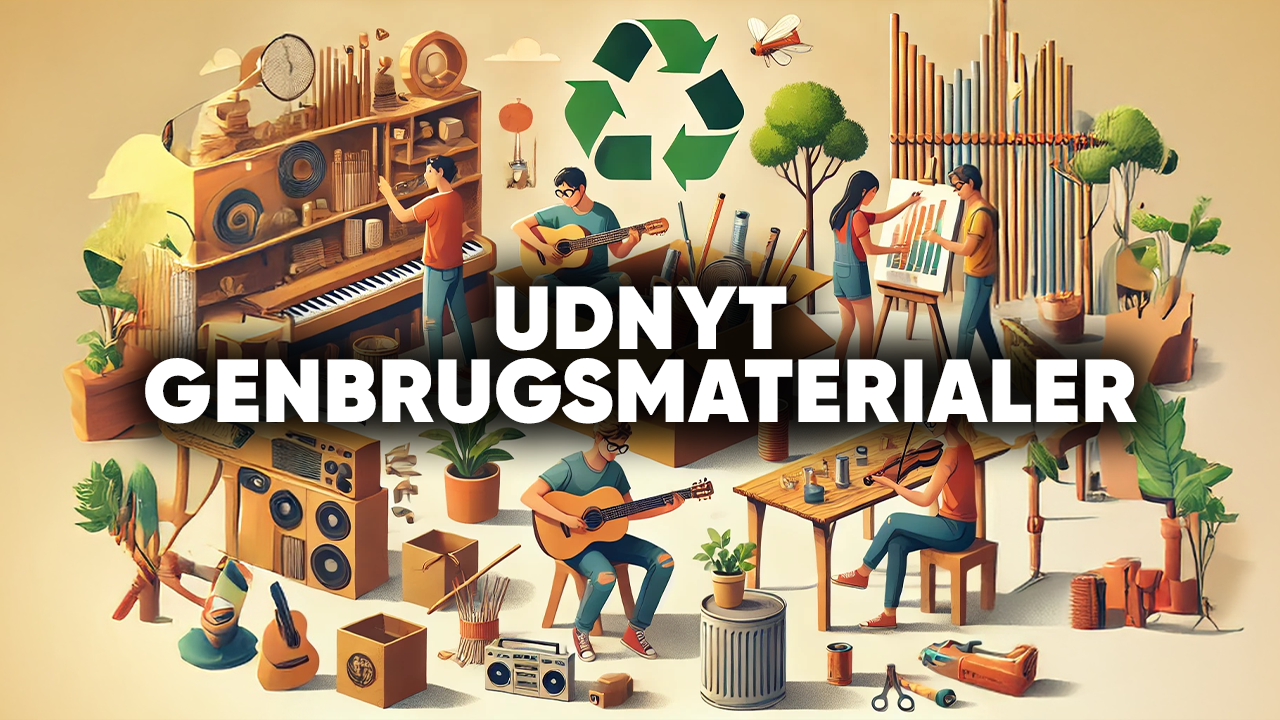
Many hobbies offer plenty of opportunities to be creative with what you already have at home – and recycled materials can be a goldmine. Whether you want to take up crafts, art, DIY projects, or something completely different, there are plenty of materials around the home that can be given new life.
Old pieces of clothing can be used for sewing or patchwork, jars and containers can become storage or decorative projects, and cardboard boxes, newspapers, and packaging can be used for modeling, drawing, or creative constructions. By thinking in terms of reuse, you not only save money – you also train your creativity and do something good for the environment.
The DIY mindset can therefore save you a lot of money and make your hobby even more creative and sustainable. So look around with fresh eyes before throwing anything away – it could very well be the beginning of your new hobby!
Inspiration List – Good Tips For Creative Ways To Use Recycled Materials For Your New Hobby
♻️ See New Possibilities In Everyday Materials For Your New Hobby
Many materials you encounter in everyday life can be given new life in your new hobby. Cardboard, glass, fabric scraps, pieces of wood, or old containers can be used as practice materials, prototypes, or temporary solutions. By working with these materials, you learn to focus on technique and process rather than perfection, which often provides a better understanding of the hobby's basic principles.
🧰 Build Simple Tools For Your New Hobby From What You Have
Instead of buying specialized equipment, you can often make simple tools yourself. Homemade solutions force you to understand what the tool is actually supposed to do in your new hobby. This understanding strengthens both your learning and your ability to later assess whether professional equipment is even necessary.
🎨 Use Recycled Materials As Practice Materials For Your New Hobby
Recycled materials are particularly well suited for practice. When the materials are free, it becomes easier to repeat, experiment, and make mistakes. This gives you the freedom to refine your skills in your new hobby without pressure to produce a perfect result. This repetition is often the key to improving over time.
🔍 Train Creative Thinking Through Your New Hobby With Recycled Materials
When you use recycled materials, you are forced to think differently. How can this material solve the task your new hobby presents? This creative challenge strengthens your ability to find alternative solutions and makes you more independent in your approach. It is a valuable skill regardless of which hobby you are working with.
🌱 Make Your New Hobby More Sustainable With Reuse
By integrating recycled materials into your new hobby, you create a more sustainable practice that benefits both the environment and your finances. At the same time, it adds an extra dimension of meaning to your hobby because you actively choose to use resources responsibly while learning and developing.
Summary – Creative Ways To Use Recycled Materials For Your New Hobby
🎨 Art and DIY – Make collages from old magazines, use jars and bottles as vases, or create decorations from cardboard and paper.
✂️ Sewing and textiles – Transform old clothes into new designs or use fabric scraps for patchwork and small projects.
🏠 Interior design – Build shelves or small furniture from pallets, reclaimed wood, or crates.
🌱 Gardening – Use plastic bottles, milk cartons, or tin cans as planters or herb pots.
📸 Photography – Create creative backgrounds and props from cardboard, fabric, or natural materials.
🎵 Music and sound – Build simple instruments from rubber bands, cans, or bottles.
🧩 Games and play – Make board games or puzzles from cardboard, paperboard, or old pictures.
************************************************************************************************
REMEMBER - Your hobby begins where imagination is given room and creativity thrives. When resources are used wisely, recycling can be the beginning of something new and exciting for your new hobby.
Attend Free Events And Workshops Related To Your New Hobby

A fantastic way to become better at a new hobby without spending money is to attend free events and workshops. Many cities, libraries, cultural centers, associations, and local initiatives offer free introductory courses, talks, or communities where you can learn new things and find inspiration. This gives you the opportunity to try the hobby in practice and get tips from both experienced practitioners and other beginners.
So keep an eye on notices in your local area, social media, or your municipality's website, where you can meet like-minded people and learn from experienced enthusiasts – there are often more opportunities than you might think, and they are completely free to use. If you want to learn a sport, you can also often find free training sessions in parks and sports halls.
At the same time, you gain access to community and feedback, which can make getting started both more enjoyable and easier. The social aspect can be crucial for maintaining motivation – and you may even find someone to share or swap equipment with.
Inspiration List – Good Tips About Free Events That Can Strengthen Your New Hobby
🏛️ Use Libraries And Cultural Centers As Inspiration For Your New Hobby
Many libraries and cultural centers offer free introductions, talks, and workshops that are perfect for your new hobby. Here you can get a structured introduction and access to knowledge without requiring membership or payment. At the same time, the atmosphere is often informal, which makes it easy to participate – even if you are completely new.
👥 Participate In Open Communities Around Your New Hobby
Open communities, networking groups, and associations often organize free meetups, themed days, or introductory evenings. When you participate in these, you get the opportunity to meet others with the same interest and see how they work with their new hobby in practice. This provides both inspiration and a realistic understanding of what the hobby involves in everyday life.
🧑🏫 Take Advantage Of Free Introductory Workshops For Your New Hobby
Introductory workshops are particularly suitable when you want to try your new hobby without commitment. They are typically built around the basics and require no prior experience. Here you can learn basic techniques, gain an overview of the possibilities, and decide whether the hobby is something you want to explore more deeply.
🌍 Find Online Events That Support Your New Hobby
Free online events such as webinars, live sessions, and virtual workshops make it possible to learn from home. These events often provide access to experts and experienced practitioners who share knowledge and practical advice. For your new hobby, online events can be a flexible way to gain new inspiration without having to plan transportation or spend money.
🔄 Combine Events With Your Own Practice In Your New Hobby
You get the greatest benefit when you combine free events with your own practice. Use the inspiration and techniques from workshops to continue practicing at home. In this way, the events do not remain one-time experiences but become active building blocks in the development of your new hobby.
Summary – Places To Find Free Events Around Your New Hobby
📚 Libraries – Often offer free workshops in everything from knitting and creative writing to digital learning.
🏛 Cultural centers and community centers – Local events where you can try many different hobbies.
👨🏫 Volunteer associations – For example, scouts, sports associations, or creative clubs that hold open events.
🌍 Online events and webinars – Many hobby communities organize free live streams and introductory courses.
🎨 Museums and art galleries – Some offer free creative workshops or talks.
🧑🤝🧑 Meetup.com – Find local groups that hold free or inexpensive introductory evenings.
🎶 Music and theater associations – Free trial lessons or open-house events for beginners.
****************************************************************************************
REMEMBER - Your hobby often becomes stronger when you meet others, and community can accelerate your learning within your new hobby.
Find A Mentor Or Hobby Group For Your New Hobby
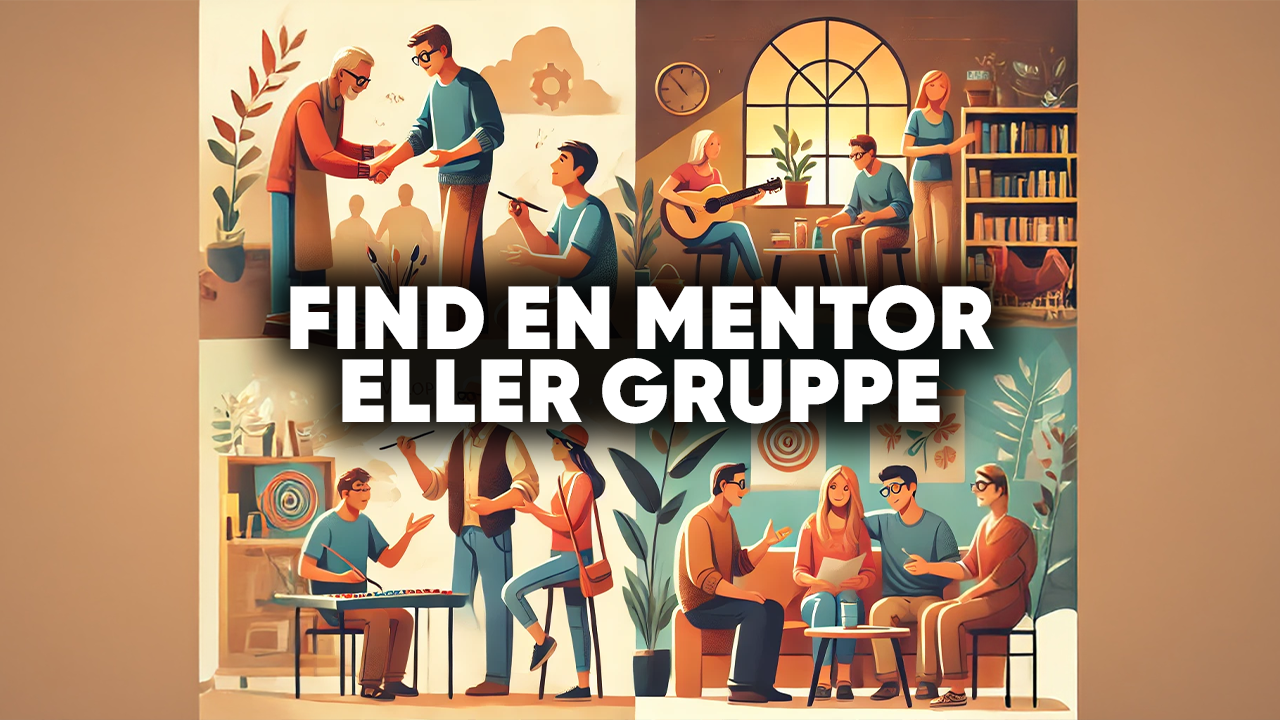
Learning something new becomes much easier – and often more enjoyable – when you have someone to share the experience with. By finding a mentor or joining a hobby group, you can get feedback, support, and plenty of free knowledge from people who already have experience. A mentor can help you avoid beginner mistakes and guide you in the right direction, while a group provides community and inspiration.
Many hobby communities exist online through forums, social media, or apps. For example, Facebook Meetup and Reddit have many groups dedicated to different hobbies where people share experiences and give free advice. But you can also find local groups through libraries, associations, or cultural centers. Here you can ask questions, share your progress, and get ideas for how to use the equipment you already have. It does not cost money to learn from others – only the willingness to stay curious and seek people out. And often you gain not only new knowledge but also new acquaintances who share the same interest.
Inspiration List – Good Tips About Communities And Mentors That Can Strengthen Your New Hobby
🤝 Find An Informal Mentor Within Your New Hobby
A mentor does not have to be an expert in the traditional sense. It can simply be someone who is one step ahead of you in your new hobby. By following their approach and asking questions about their experiences, you get realistic advice that is easy to put into practice. This informal form of mentoring creates confidence and makes learning more manageable.
👥 Join Hobby Groups Focused On Your New Hobby
Hobby groups – both local and online – provide access to shared practice, inspiration, and motivation. When you participate actively, you see how others work with their new hobby and get ideas for how you can continue developing yourself. The group often acts as a supportive space where it is accepted to be new and ask questions.
💬 Use Dialogue And Feedback To Develop Your New Hobby
A major advantage of communities is the opportunity to receive feedback. When you share your progress or challenges in your new hobby, you get input that can adjust your direction and save you from frustration. Constructive feedback helps you focus on what matters most and makes your learning more targeted.
🌱 Create Motivation Through Shared Engagement In Your New Hobby
Motivation grows when you feel that others are following your development. Agreements, shared goals, or simply regular contact can make a big difference for your new hobby. The community creates a gentle sense of accountability that helps you stick with it – even on days when your energy is low.
🔄 Learn From Different Perspectives On Your New Hobby
In a hobby group, you often encounter many different approaches to the same interest. By listening to other people's methods and experiences, you gain a broader perspective on your new hobby. This allows you to choose the solutions that suit you best and develop your own style without having to invest in new equipment.
Summary – How To Find A Mentor Or Hobby Group For Your New Hobby
👨🏫 Ask within your network about a mentor – You may already know someone with experience in the hobby.
🤝 Facebook Groups – Many hobby communities are open and filled with helpful members.
🌍 Meetup.com – Find local hobby groups or online communities with the same interest.
📚 Libraries and cultural centers – Often host open groups or clubs focusing on creativity, music, games, and more.
🎥 YouTube and Twitch – Follow experienced practitioners who share knowledge and encourage community through comment sections and live chats.
💬 Discord and Reddit – Digital communities focused on almost every hobby imaginable.
🏫 Associations and adult education schools – Even when courses cost money, there may be free introductory evenings or open groups where you can meet like-minded people.
*********************************************************************************
REMEMBER- Learning your new hobby goes faster when it is shared, and the right feedback can often replace expensive solutions.
*********************************************************************************
Get more tips for finding hobby communities in our article - Good Tips For Finding Hobby Communities Without Major Expenses
Use What You Already Have For Your New Hobby

When you start a new hobby, it is easy to think that you need a lot of equipment to get started. But often, you already have much of what you need at home. By making use of the things you already own, you can save money, learn the basic techniques, and find out whether the hobby is truly right for you – before investing in more advanced equipment.
Working with what you already have can also be a creative exercise in itself. It forces you to be inventive, think of alternative solutions, and adapt materials to new purposes. Often, simple tools turn out to be more than enough to get off to a good start. In this way, your hobby becomes both more affordable and more accessible – and you quickly discover that the most important thing is the desire to learn, not the price of the equipment.
Inspiration List – Good Tips For Making Use Of What You Have In Your New Hobby
🧰 Map Out Your Resources For Your New Hobby
Begin by getting an overview of what you already have that can be used in your new hobby. This might include digital devices, simple tools, materials, or programs you already use for other purposes. When you look at your belongings through a hobby-focused lens, you often discover new ways to use them that make it possible to get started without additional investment.
🏠 Adapt Your New Hobby To Your Current Environment
Instead of changing your surroundings to suit the hobby, you can adapt your new hobby to the space you already have. A corner of the living room, the kitchen table, or a computer workspace may be more than enough to practice the basics. This flexible approach makes it easier to integrate the hobby into everyday life and increases the likelihood that you will practice regularly.
🔄 Use Familiar Tools In New Ways In Your New Hobby
Many tools and objects can be used across different interests. When you reuse familiar tools in your new hobby, you save both money and learning time. At the same time, you learn to think creatively and focus on function rather than form, which often provides a deeper understanding of the core of the hobby.
🧠 Build Skills Before Considering Anything New For Your New Hobby
By focusing on skills rather than equipment, you ensure that your new hobby develops on a solid foundation. Once you have mastered the basic techniques with what you already have, it becomes much easier later to assess whether additional equipment will actually provide real value. This order of priorities protects both your motivation and your finances.
📈 Let Your New Hobby Grow Naturally With Your Resources
When your new hobby is allowed to develop alongside your abilities, a more natural progression occurs. You will discover for yourself when something is limiting you – and when it is not. In this way, any future investments become a conscious choice rather than a requirement, and your hobby remains enjoyable and accessible.
Summary - Get Started With Your New Hobby Using Equipment You Already Have
📱 Photography – Use your smartphone instead of buying a camera.
🎨 Drawing and art – Start with paper, pencils, or pens you already own.
🍳 Cooking and baking – Use ordinary kitchen tools before buying specialized equipment.
🏃 Exercise – Use your own body weight for exercises such as squats, planks, and push-ups.
🎸 Music – Borrow or use a simple instrument, or start with free apps to learn rhythms and chords.
🌱 Gardening – Use containers such as milk cartons or jars to grow herbs.
♟ Games and strategies – Play free online versions of chess or puzzles instead of buying board games.
**************************************************************************************
REMEMBER - The beginning of your new hobby is often closer than you think, because the equipment you need for the hobby is often already around you.
Set Realistic Goals And Practice Your New Hobby Regularly
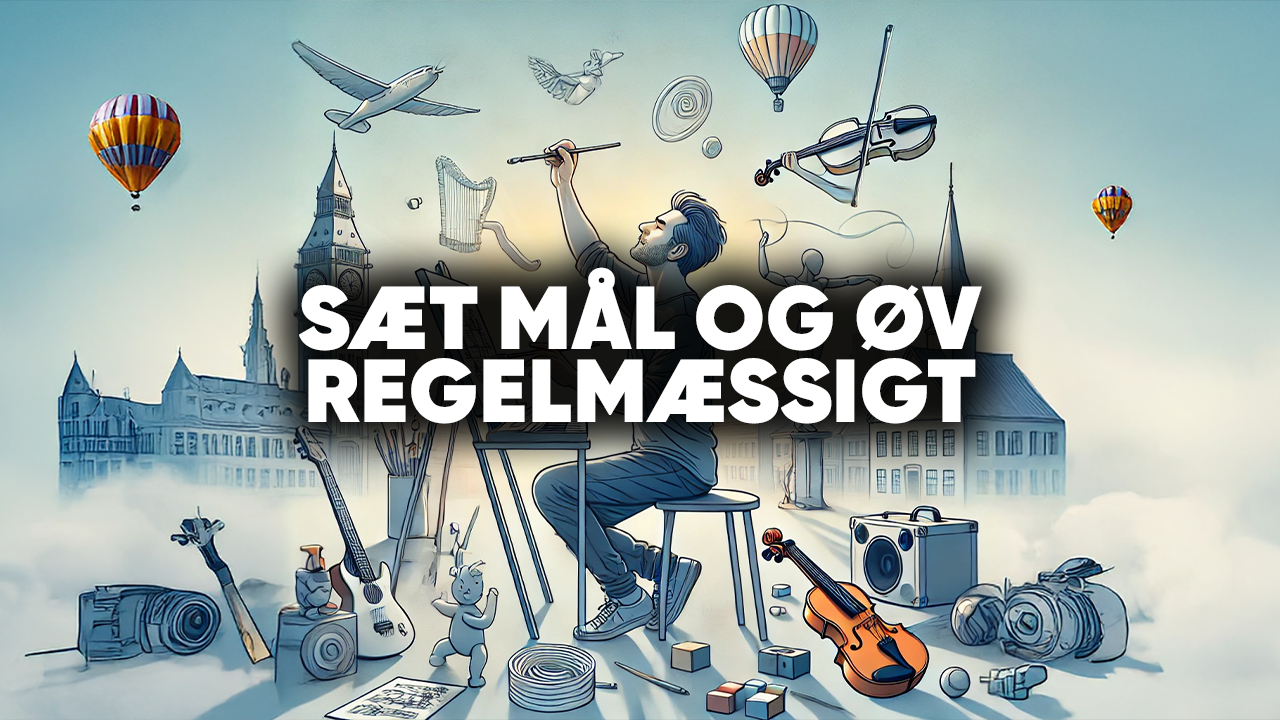
Becoming good at a new hobby does not require expensive equipment or professional instruction – but it does require patience and regular practice. By setting small, realistic goals, you keep your motivation up and make it easier to see your progress. Instead of aiming for perfection from day one, focus on getting a little better week by week.
Create a plan where you set aside time to practice regularly – even if it is only 15 minutes at a time. Consistency is far more important than long, infrequent practice sessions. When you notice yourself improving, your enjoyment and desire to continue increase, and this gives you the confidence to challenge yourself more and more. The most important thing is to have fun along the way and accept that learning takes time. With a regular rhythm and realistic expectations, you can go a long way – without it costing you anything.
Inspiration List – Good Tips About How To Work With Goals And Practice In Your New Hobby
🎯 Define Small And Achievable Milestones For Your New Hobby
When you divide your new hobby into smaller milestones, development becomes more manageable. Instead of focusing on the end result, you can direct your attention toward specific skills or exercises you can work on right now. This approach provides frequent experiences of success that strengthen motivation and make the learning process more satisfying.
🕒 Create Regular Routines Around Your New Hobby
Consistency comes more easily when your new hobby has a fixed place in everyday life. It does not have to involve long practice sessions – short, repeated sessions can be just as effective. By linking the hobby to specific times or habits, it becomes easier to get started, even on days when your energy is low.
📈 Track Your Development In Your New Hobby Over Time
Recording your progress can provide valuable insight and additional motivation. When you look back at what you were capable of at the beginning of your new hobby, it becomes clear how much you have actually improved. This reflection helps you adjust your goals and stay focused on what works best for you.
🧠 Accept Breaks And Uneven Periods In Your New Hobby
Development is rarely a straight line. There will be periods when your new hobby feels easier and others when progress is less visible. By accepting these fluctuations, you avoid unnecessary self-criticism and maintain the desire to continue. Breaks can even provide renewed energy and perspective when you return.
🔁 Use Repetition As The Driving Force Behind Your New Hobby
Repetition is one of the most underrated keys to development. When you practice the same basic elements of your new hobby again and again, movements, techniques, or thought processes gradually become more automatic. This frees up mental energy and makes it possible to focus on new challenges when the time is right.
Summary – How To Practice Your New Hobby With Purpose
📅 Create a simple practice plan – Set aside 10–20 minutes a few times a week.
📝 Write down small milestones – For example: “I want to learn 3 new recipes this month” or “I want to be able to play this melody in 2 weeks.”
🎯 Start with beginner-friendly challenges – Choose tasks that match your level and build up slowly.
📱 Use reminder apps or a calendar – So you remember to set aside time for your hobby.
🤝 Share your progress with others – For example in a hobby group or with friends, so you can receive feedback and motivation.
📚 Evaluate your progress – Look back at where you started to see how much you have learned.
🏆 Celebrate small victories – Recognize yourself for the small steps so the hobby feels enjoyable and meaningful.
*******************************************************************************************
REMEMBER - Your new hobby grows with patience. Developing your hobby often requires more time than equipment, and small steps can create significant progress.
Sell What You Do Not Use To Raise Money For Your New Hobby
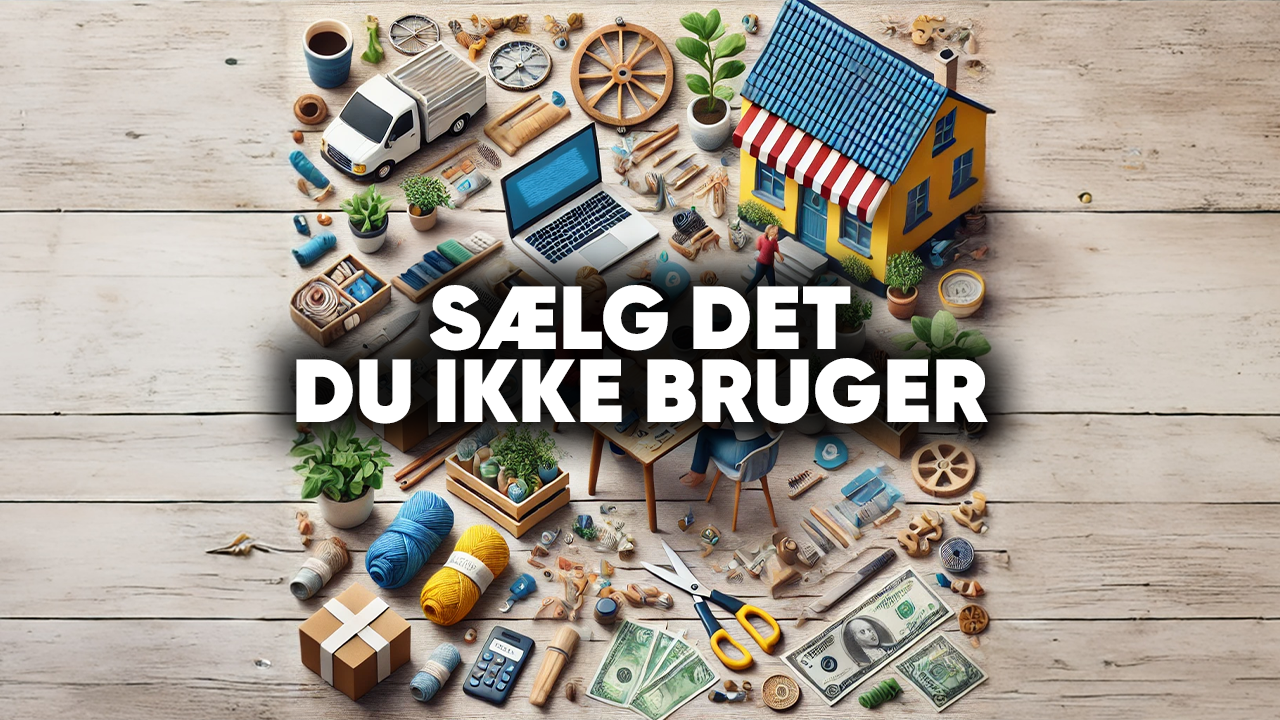
A good way to raise money for your new hobby – without putting pressure on your finances – is to sell things you no longer use. Most people have equipment, clothing, or electronics lying around that simply collect dust. By decluttering and putting these items up for sale, for example on DBA, Facebook Marketplace, Gul og Gratis, or similar platforms, you can free up both space and money.
This gives you the opportunity to invest in the most necessary equipment for your hobby – if it becomes relevant over time – without costing you extra. At the same time, you declutter your home and give your old belongings a new life with someone else who can enjoy them. It is not about buying your way to success in your hobby – it is about prioritizing and thinking creatively. By reusing and selling wisely, you can support your interest in a sustainable and economical way.
Inspiration List – Good Tips For How Selling Can Support Your New Hobby
🧹 Review Your Belongings With Your New Hobby In Mind
Start by systematically going through your home and identifying things that are no longer being used but could be sold. When you connect the decluttering process directly to your new hobby, it becomes easier to make decisions. Every item sold represents a concrete step toward giving your new interest better conditions without spending new money.
💻 Use Digital Platforms To Finance Your New Hobby
Online selling platforms and local groups make it easy to sell unused things quickly and efficiently. By choosing the right channels, you can reach people who are specifically looking for what you want to sell. The money you earn can be directed straight toward your new hobby and create a feeling that the hobby is financing itself.
🎯 Define What You Want To Spend The Money On In Your New Hobby
To prevent the money from disappearing into other expenses, it can be helpful to decide in advance what the sales income will be used for. When you set clear boundaries for how the money should support your new hobby, it becomes easier to stay focused and ensure that the investment actually contributes to your development.
🔄 Replace New Equipment With Thoughtful Choices For Your New Hobby
Selling gives you the opportunity to prioritize quality and relevance over quantity. Instead of buying a lot of new things, you can choose a few carefully considered items that genuinely support your new hobby. This conscious approach reduces the risk of unnecessary purchases and makes the hobby more sustainable in the long term.
🌱 Create A Healthy Balance Between Consumption And Your New Hobby
When you finance your new hobby through selling, a natural balance develops between what you get rid of and what you add. This creates a sense of control and responsibility, where the hobby becomes part of a calmer and more manageable everyday life – without financial stress.
Summary – Places To Sell Your Things To Finance Your New Hobby
📱 DBA.dk – Denmark's largest online marketplace for everything from clothing to electronics.
🌍 Facebook Marketplace – A quick and easy way to reach people in your local area.
👟 Vinted – Perfect for selling clothing, shoes, and accessories.
📚 Book exchange and book-selling websites – Sell or exchange books you no longer read.
🕹 GulogGratis.dk – Ideal for everything from furniture to games and hobby equipment.
📦 Local flea markets – An enjoyable way to earn a little extra and get rid of several things at once.
💻 Reshopper (app) – Especially useful for children's clothing, toys, and family equipment.
***************************************************************
REMEMBER - Decluttering and selling things you no longer use can open up new possibilities and allow your new hobby to grow without costing extra.
Be Patient And Have Fun With Your New Hobby

Finally, it is important to remember that when you start a new hobby without the latest equipment, it is especially important to regularly remind yourself why you started: to learn something new and enjoy the process. Becoming skilled takes time, and there will naturally be challenges along the way. That is why patience is an important part of the journey – as is the ability to laugh at your mistakes and appreciate small improvements.
The more you focus on having fun, the more motivated you will be to continue. Give yourself permission to experiment and be curious without setting excessively high expectations. It is not about becoming perfect – it is about developing yourself and finding enjoyment in what you do. When you enjoy the process, it will also feel much less important whether you have the most expensive equipment. The real value lies in the experience, creativity, and small victories along the way.
So when you begin a new hobby, the likelihood of succeeding with your new hobby depends greatly on the good old saying, “where there’s a will, there’s a way,” which also applies to many other areas of life.
Inspiration List – Good Tips For Keeping Your Patience And Motivation Going With Your New Hobby
😊 Give Yourself Room To Be A Beginner In Your New Hobby So Learning Feels Easier
When you start a new leisure interest, it is essential to give yourself permission to be new. It sounds simple, but this is often where motivation disappears: people want to be good immediately. If instead you make it acceptable to “practice in order to learn,” mistakes become a natural part of the process in your new hobby. This also makes it easier to continue because you are not constantly judging yourself based on the result. You can still remind yourself that your new hobby is meant to give you personal space, not require you to perform like an expert.
🕒 Choose A Pace For Your New Hobby That Fits Your Life – Not Someone Else's Level
Patience becomes much easier when your practice pace in your new hobby fits your everyday life. If you start too intensely, the hobby can quickly feel like an obligation, and then you lose the fun part. Try thinking in terms of rhythm rather than intensity: short, frequent sessions are better than a few long marathon practice sessions. When your new hobby has a realistic place in your schedule, it becomes more stable, and you also experience more small successes that build motivation.
🎨 Learn Through Play With Small Experiments And Free Exploration In Your New Hobby
Enjoyment grows when you make room for play and curiosity in your new hobby. Occasionally plan practice sessions where the goal is not to improve but simply to explore. Try something “wrong,” change the order, or create a variation of what you normally do. This type of free experimentation makes learning your new hobby more lively and reduces pressure. This is often where your new interest feels most like personal free time – and where you discover what you genuinely enjoy.
🧠 Let Go Of The Demand For Perfect Results In Your New Hobby And Focus On The Process
Perfectionism is one of the most effective ways to destroy enjoyment when starting a new hobby. If you constantly judge whether what you are doing is “good enough,” every practice session becomes a test. Instead, try measuring your effort and repetition: “I showed up,” “I practiced for 15 minutes,” “I tried again.” This creates a more sustainable sense of progress, especially when developing your new hobby without expensive equipment. The process is what builds the skills — not a perfect performance today.
🌱 Notice The Small Improvements In Your New Hobby That Make Everything More Enjoyable
Patience becomes easier when you can see that you are progressing in your new hobby — even if it happens slowly. Notice the small signs: understanding a technique a little better, something feeling less difficult, or becoming more confident in what you do. You may want to write down one small thing after each session so you can see your development in your new hobby over time. When you actively recognize progress in the hobby you have just started, continuing becomes more enjoyable because you get the feeling of “I can do more than I could last week.”
Summary – How To Keep Your New Hobby Fun And Motivating
🎯 Set small goals – For example, “I want to learn one new thing this week” instead of trying to master everything at once.
🤝 Share the experience with others – Learn together with a friend or join a hobby group.
📅 Celebrate milestones – Mark the moment when you complete a recipe, learn a new chord, or finish a small project.
🧩 Make it playful – Create small challenges or competitions with yourself.
🌱 Remember to take breaks – Allow yourself to step away if you lose energy and return with renewed enjoyment.
📸 Document your progress – Take photos or keep a journal to see how far you have come.
😊 Remind yourself of the purpose – The hobby is about enjoyment, development, and curiosity – not perfection.
***********************************************************************************************
REMEMBER - Enjoyment, patience, and motivation are the strongest driving forces behind your new hobby, and your hobby is allowed to take as much time as it needs.
Conclusion
Becoming good at a new hobby does not have to cost a lot of money or require expensive equipment. The most important thing is to start small, use the resources you already have, and find enjoyment in the process. By making use of free online materials, recycled resources, communities, and simple tools, you can quickly get started – and along the way discover how much value and enjoyment a hobby can bring to everyday life.
Remember that it is not about becoming perfect from the beginning but about developing step by step. Small goals, patience, and a positive approach will make the journey both more enjoyable and more motivating. Whether your hobby is creative, practical, physical, or digital, it can enrich your life with new learning, relaxation, and perhaps even new friendships.
So choose one of the ideas that appeals to you most and get started today. You do not need to wait for the right equipment or the perfect moment – the best time to begin is now, and your new hobby can become a source of both development and enjoyment for many years to come.
Mini Guide – How To Become Good At A New Hobby Without Spending Money On Expensive Equipment
Becoming good at a new hobby is not about how much equipment you own but about how you approach learning. With the right approach, your new hobby can develop steadily and provide both enjoyment and personal value – without major expenses. The key lies in focus, repetition, patience, and the ability to use the resources you already have available.
Below you will find a structured mini guide that summarizes the article above with clear focus points that help you build skills, maintain motivation, and create a sustainable hobby journey.
🎯 Define What Your New Hobby Should Focus On In The Beginning
When you start your new hobby, it is important not to try to do everything at once. Many people lose perspective because they set goals that are too broad. By choosing one clear area of focus, you will experience progress more quickly. This creates calm in the learning process and makes the new hobby more manageable and motivating in everyday life.
🧰 Use Existing Equipment As The Foundation For Your New Hobby
The vast majority of hobbies can be started using things you already own. This can include digital tools, simple equipment, or materials from around the home. When you use what you already have as your starting point, you learn to understand the core of your new hobby instead of allowing the equipment to define your level. This creates a stronger and more independent learning process.
🌐 Use Online Resources To Develop Your New Interest
The internet contains a wealth of free guides, videos, and communities that can support your new hobby. By combining different free resources, you can build knowledge at your own pace. The hobby you are learning can therefore develop in a structured way without expenses for courses or memberships.
🤝 Find Inspiration From Others With The Same Hobby
Development often becomes easier when it is shared. Communities, hobby groups, or informal discussions can provide new perspectives and practical input. When your new hobby becomes part of a community, motivation increases, and it becomes easier to maintain your interest – even when the learning curve begins to level out.
🔁 Create Routines That Support Your New Hobby
Consistency is more important than long practice sessions. Short, repeated sessions often produce better results than occasional effort. When your new hobby has a regular place in everyday life, practice becomes a natural habit. Over time, repetition is what builds skills – not the quality of the equipment.
🧠 Accept Mistakes As Part Of Your Development In Your New Hobby
Mistakes are a sign that you are learning. When you accept mistakes as a natural part of the process, you create a safe learning environment. In your new hobby, this means you dare to experiment, adjust, and improve without unnecessary pressure. This makes learning both more effective and more satisfying.
🌱 Maintain The Enjoyment As Your New Hobby Develops
Development takes time, and progress rarely happens in a straight line. By being patient with your new hobby and focusing on enjoyment of the process itself, you increase the likelihood that the hobby will last in the long term. When it feels meaningful and enjoyable, it becomes easier to continue – even without making investments.
📈 Evaluate And Adjust The Hobby You Are Building
As your skills grow, your interests may change. By regularly reflecting on what works and what does not, you can adjust your approach. In this way, your new hobby remains relevant, motivating, and suited to your everyday life.
*******************************************************
This mini guide shows that it is not money but focus, consistency, and curiosity that make you better at your new hobby. Once the foundation is in place, your new hobby can often grow naturally – using what you already have.
**************************************************************************************
If you need additional inspiration for starting a new hobby, you can watch this video - 50+ HOBBIES TO START IN 2025 ⋆౨ৎ˚become more interesting and use your phone less
----------------------------------------------------------------------------------------------------
If you have experience and/or knowledge of exciting and fun hobbies where you do not need to spend money on expensive equipment, we would be happy to hear your input and/or suggestions in the comments section about other exciting, fun, and affordable hobbies that can be enjoyed without spending much money.