Eating healthier without going on a diet is largely about changing habits – not introducing strict rules, restrictions, or short-term solutions. Many people associate healthier eating with restrictions, calorie counting, and feelings of deprivation, but in reality, small, conscious adjustments in everyday life can make a significant difference to energy levels, well-being, and long-term health. This article is based on exactly that approach: a more relaxed, realistic, and sustainable way to eat healthier without putting your life on hold.
When the focus shifts from dieting to making healthy choices in everyday life, food becomes a positive tool rather than a constant struggle. It is not about eating perfectly, but about eating better a little more often. Small changes such as choosing more vegetables, eating more regularly, listening to your body's signals, and finding enjoyment in food can together create a healthier lifestyle that is easier to maintain – even on busy days.
An important point is that healthier eating does not look the same for everyone. Our daily routines, tastes, finances, and life circumstances play a major role in determining which choices are realistic. That is why this article focuses on flexible solutions and practical advice that can be adapted to individual needs, rather than fixed meal plans and rigid rules. Healthier eating needs to work in real life – even when time is limited, motivation is low, or everyday life is filled with other priorities.
In this article, you will be presented with practical, everyday tips that make it easier to eat healthier without feeling like you are on a diet. The focus is on balance, enjoyment, and sustainable habits, so you can gain more energy, improve your well-being, and develop a healthier relationship with food – without giving up the pleasure of eating.
Understand What a Healthy Diet Is When You Want to Eat Healthier
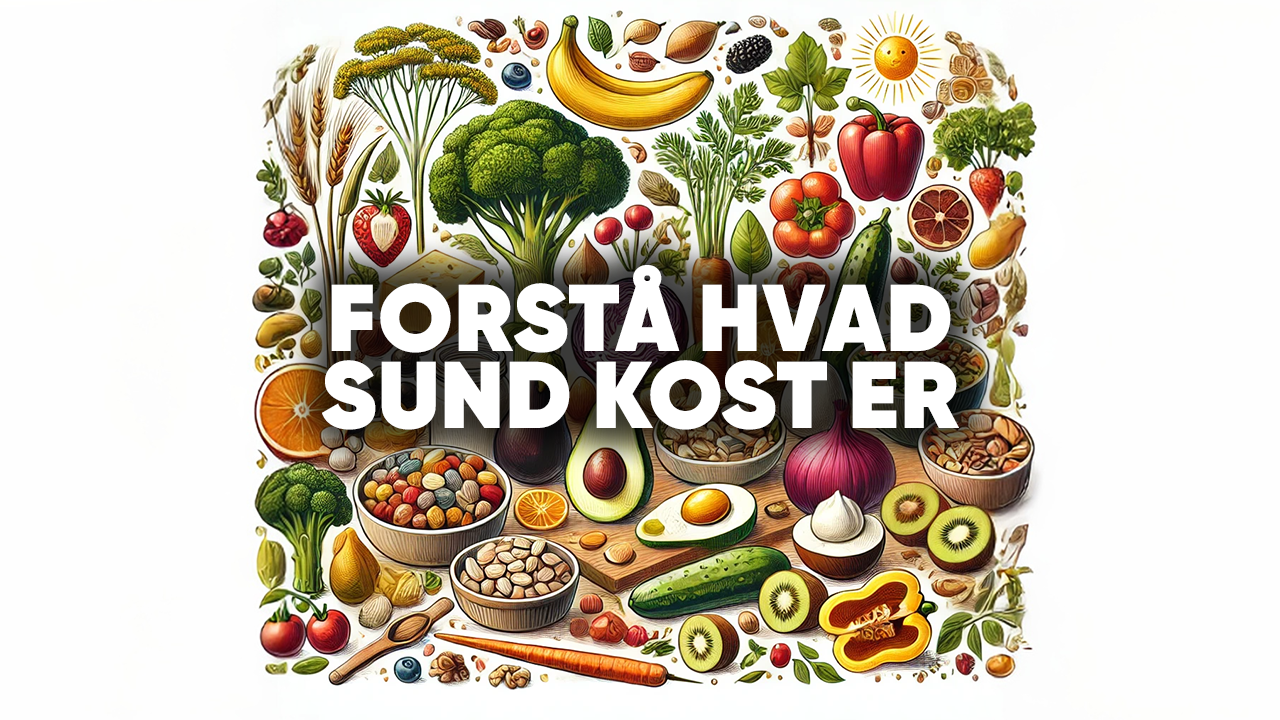
Eating healthily is not about following a strict diet or excluding certain foods – it is about creating balance and variety in your everyday life. A healthy diet gives your body the nutrients it needs so that you have energy, stay full, and support both your physical and mental health.
The foundation of a healthy diet is eating a wide variety of foods in appropriate amounts. This means prioritizing vegetables, fruit, whole grains, lean protein sources, and healthy fats while limiting ultra-processed products, sugar, and excessive salt. Small changes – such as choosing whole-grain bread instead of white bread or adding more vegetables to your meals – can make a big difference in the long term.
The most important thing is to find a balance that works in your everyday life, so healthy eating does not feel like a burden but rather a natural and enjoyable part of your life. By eating a varied diet, you help ensure that your body receives all the necessary nutrients it needs to function optimally.
Inspiration List – Great Tips for Understanding Healthy Eating in Everyday Life
🥗 Healthy Eating as an Overall Approach Rather Than Individual Rules
Healthy eating makes the most sense when it is viewed as an overall pattern rather than a series of isolated rules. It is about what you eat most of the time, not individual meals or days. When your overall diet contains a good balance of vegetables, whole grains, protein, and fats, it creates a stable foundation for both energy and well-being. This holistic approach to healthier eating makes it easier to let go of black-and-white thinking and instead focus on consistency and peace of mind in everyday life. By viewing healthy eating as something that is built over time, it becomes easier to make good choices without constantly having to control yourself.
🥕 When Healthy Eating Is About the Right Nutrition and Feeling Full
An important part of understanding healthy eating is viewing food as fuel and building material for the body. Foods that keep you satisfied and provide stable energy help you avoid large fluctuations in blood sugar and appetite. When meals contain a sensible combination of fiber, protein, and fat, many people find that they naturally gain better control over hunger and snacking. In this way, healthier food becomes a tool that works with the body rather than against it and supports more natural appetite regulation in everyday life.
🍽️ Flexible Healthy Eating That Fits Your Everyday Life and Lifestyle
Healthy eating works best when it can be adapted to the lifestyle you actually live. This means that healthy eating habits should not only work on calm, ordinary days, but also when time is limited, energy is low, or plans change. A flexible approach makes it possible to choose easy solutions without feeling like you have failed. When healthier food choices are adapted to your daily life, it becomes easier to maintain your habits in the long term because they do not require constant planning or self-control.
🥦 Variety as a Central Part of Healthy Eating
Variety is one of the most overlooked but important principles of healthy eating. By eating a variety of foods, you help ensure that your body receives a broad range of vitamins, minerals, and nutrients. At the same time, variety reduces the risk of becoming bored with food and falling into repetitive routines that often cause healthy habits to fade into the background. When you vary your ingredients, cooking methods, and flavors, healthier eating becomes more inspiring and easier to maintain in everyday life.
🍎 Healthy Eating Without Guilt or a Bad Conscience
A healthy approach to food also includes a mental perspective. Healthy eating works best when it is not driven by guilt, shame, or self-criticism. When there is room for enjoyment and flexibility, it becomes easier to return to healthy choices, even after periods with less structure. This relaxed approach creates a healthier relationship with food, where the focus is on support rather than control and where healthier habits become something you choose – not something you feel forced to do.
Summary – Examples of What a Healthy Diet Can Include
🥦 Healthy eating with vegetables and fruit – Vary the colors to get different vitamins and minerals.
🌾 Healthy eating with whole-grain products – Choose whole-grain bread, oatmeal, brown rice, or whole-grain pasta.
🥩 Healthy eating with lean proteins – For example, chicken, fish, beans, lentils, or eggs.
🥑 Healthy eating with healthy fats – Nuts, seeds, avocado, and olive oil.
💧 Healthy eating with water instead of soda – A simple change with a major positive effect on your health.
🧂 Healthy eating with limited salt and sugar – Choose natural ingredients and cook from scratch whenever possible.
🍽 Healthy eating with balanced portions – Eat until you are full, but stop before you feel overly stuffed.
***************************************************************************************
REMEMBER - When healthy food fits your lifestyle, healthy habits last longer, and having a good balance in your everyday diet is better than following perfect rules.
Listen to Your Body When You Want to Eat Healthier
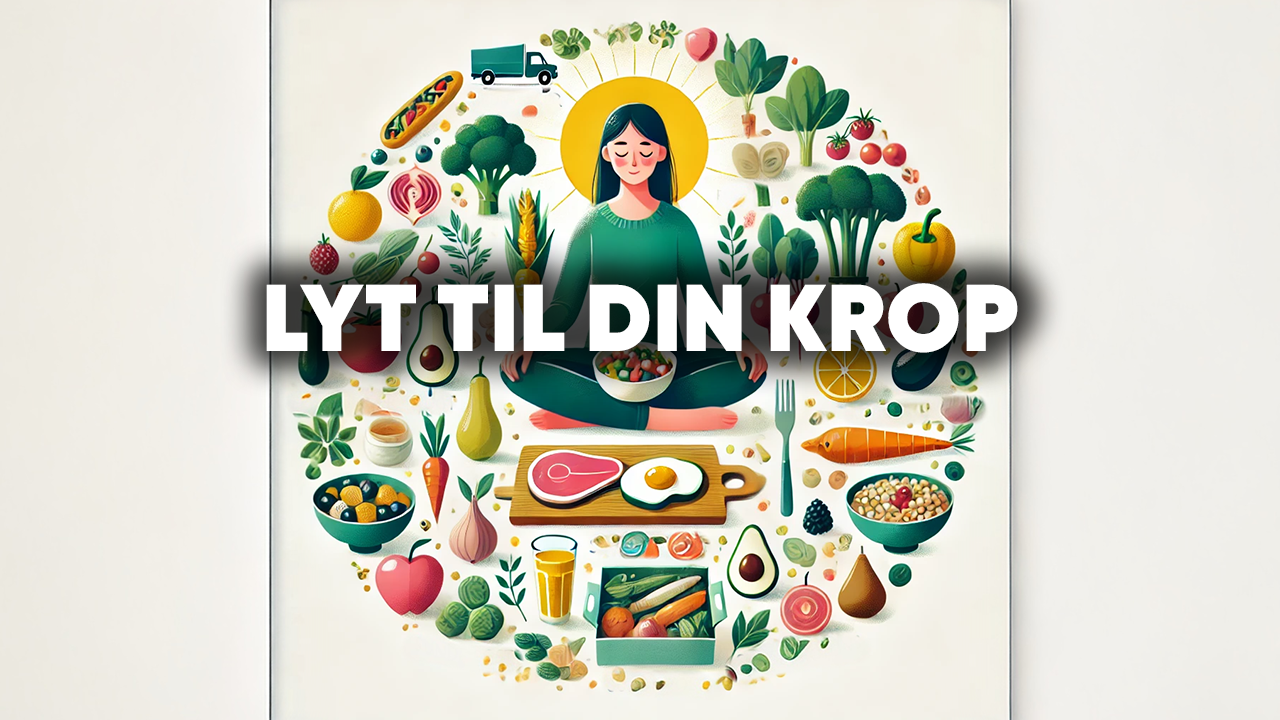
An important part of eating healthier without going on a diet is learning to listen to your body's signals. Many of us automatically eat based on habit, the time of day, or emotions such as boredom or stress – instead of eating when the body actually needs nourishment.
So, are you actually hungry, or are you eating because you are bored or stressed? By being more present while you eat, you can better recognize when you are full and thereby avoid overeating. When you begin paying more attention to when you are hungry and when you are full, you can avoid overeating while also getting more enjoyment from your meals.
Listening to your body is also about noticing how different foods make you feel afterward. Do they give you energy and a sense of well-being – or do they make you feel tired and heavy? By observing these reactions, you can adjust your food choices so they support both your physical and mental well-being.
Therefore, learn to recognize the difference between physical hunger and emotional hunger, and eat when your body needs fuel, not simply because the clock says it is time to eat. It is about finding a balance where you enjoy your food, listen to your body's needs, and at the same time give it the nourishment that supports your health. When you become more aware of your body's needs, healthy eating becomes a natural part of everyday life rather than an obligation controlled by rules.
Inspiration List – Great Tips for Eating Healthily by Listening to Your Body
🧠 Recognize the Difference Between Hunger and Habit When You Want to Eat Healthier
Many people do not eat because they are genuinely hungry, but because the clock says it is lunchtime, because food is within reach, or because eating has become a fixed routine. When you want to eat healthily, it can be eye-opening to stop and notice what is really driving your desire to eat. Genuine hunger is often felt physically as a lack of energy, while habitual eating is often mentally driven. By distinguishing between the two, it becomes easier to choose food when your body actually needs it.
🍽️ Eat Healthily by Respecting Your Fullness Signals
Eating healthily is not only about what you eat, but also about when you stop. Many people are used to finishing everything on their plate out of obligation or habit, even when their body is already full. When you practice recognizing fullness during your meal, you have a better opportunity to stop before discomfort occurs. This awareness can create a more relaxed relationship with food, where fullness is viewed as a positive signal rather than something to ignore.
🥗 Eat Healthily by Adjusting Your Food to the Day and Your Needs
Your body's needs change from day to day depending on activity levels, sleep, and stress. Some days, your body needs more energy, while on other days it may need lighter meals. When you want to eat healthily, it makes sense to adjust your food according to these changes rather than sticking rigidly to fixed schedules. This flexibility makes it easier to meet your body's real needs and reduces the risk of both overeating and a lack of energy.
🕰️ The Importance of Eating Speed When Eating Healthily With Your Body's Signals in Focus
When meals are eaten quickly and without attention, the body's signals can easily be overlooked. By slowing down and giving yourself time to eat calmly, it becomes easier to notice both hunger and fullness. Eating healthily is often connected to eating more slowly because the body has time to register what is happening. Even small changes in eating speed can make a big difference in how food is experienced and digested.
❤️ Eat Healthily With Acceptance Rather Than Control
An important part of listening to your body is treating yourself with acceptance. When food choices are controlled by guilt or strict expectations, the body's natural signals are often disrupted. By allowing room for both healthy choices and enjoyment, you can build trust that your body can regulate itself over time. This approach makes it easier to eat healthily without constantly evaluating or criticizing your own choices.
Summary – How You Can Listen to Your Body When You Want to Eat Healthier
🍽 Eat slowly – Give yourself time to notice when you are full.
🕰 Check your hunger – Ask yourself whether you are physically hungry or eating out of habit or emotion.
🥦 Observe how you feel after your meal – Notice which foods give you energy and which ones drain you.
💧 Drink water first – Sometimes thirst is mistaken for hunger.
🌙 Respect your fullness signals – Stop when you feel comfortably full, not stuffed.
🧘 Be mindful – Practice mindful eating by eating without screens or distractions.
📓 Keep a food journal – Briefly note how you feel before and after meals to identify patterns.
**************************************************************
REMEMBER - Your body's signals are a better guide than fixed food rules. When your body's signals are heard and followed, a good balance in your diet naturally follows.
Prioritize Whole Foods When You Want to Eat Healthier
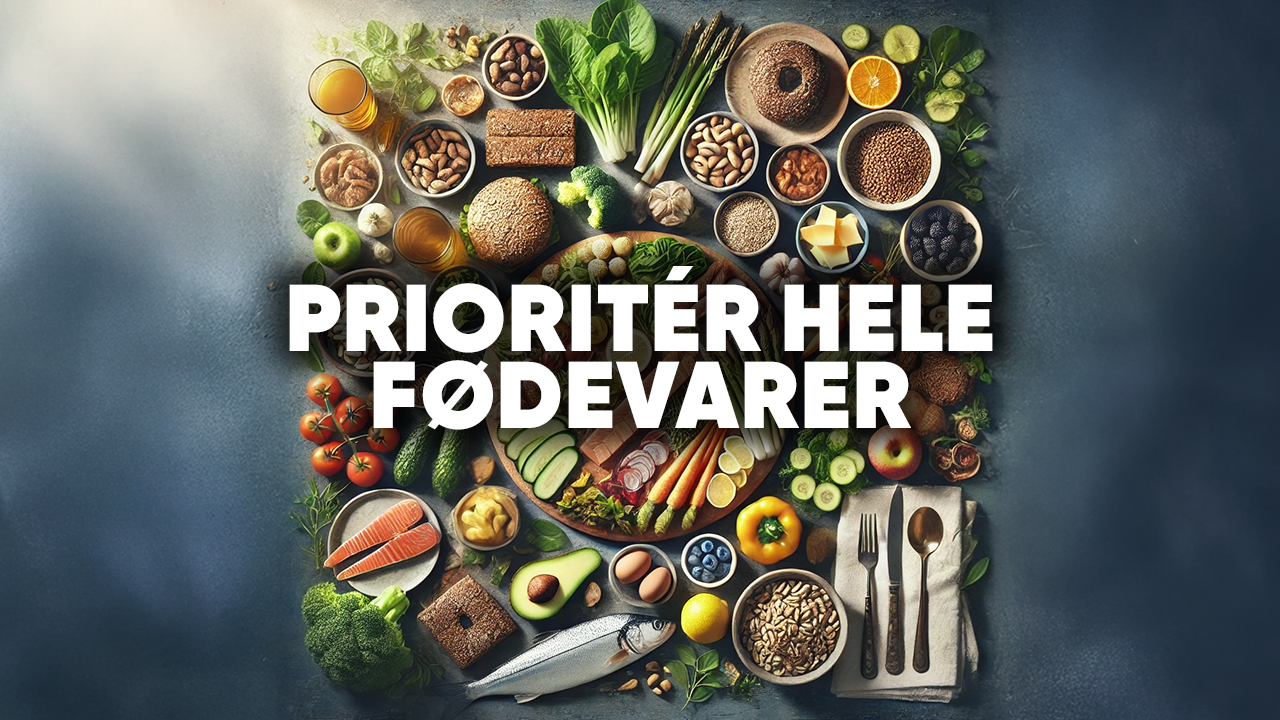
One of the most effective ways to eat healthier – without following a strict diet – is to choose whole foods and foods that are as minimally processed as possible. Whole foods are ingredients in their natural form, such as vegetables, fruit, whole grains, legumes, nuts, fish, eggs, and meat. They are rich in fiber, vitamins, and minerals that provide your body with the nourishment it needs while also keeping you full for longer.
Processed foods such as ready-made meals, chips, and soda are often filled with added sugar, salt, and unhealthy fats that provide quick energy but little real fullness and can negatively affect your health. By replacing some of these products with whole foods, you can significantly improve your diet without feeling like you are “missing out.”
By prioritizing whole foods, you can easily create a healthier and more balanced diet that supports your health in the long term — without having to go on a diet. It is not about perfection – but about making more conscious choices in everyday life. The more whole foods you include in your diet, the easier it becomes to eat healthily in a natural way.
Inspiration List – Great Tips on How Whole Foods Help You Eat Healthier
🥦 Eat Healthily by Choosing Foods With Natural Ingredients
When you want to eat healthily, whole foods are a shortcut to getting more nutrition without additional calculations. Foods in their natural form contain fiber, vitamins, and minerals that work well with the body. By basing your meals on these foods, you automatically create a diet that supports fullness and stable energy. This makes it easier to maintain a healthier rhythm in everyday life without feeling like you are following a specific plan.
🍎 Eat Healthily With a Focus on Fullness and Energy
Whole foods often contribute to longer-lasting fullness because they require more chewing and digestion. When you eat healthily with a focus on high-fiber vegetables, whole grains, and protein-rich ingredients, many people experience fewer fluctuations in hunger and energy. This type of fullness makes it easier to eat according to your body's needs and reduces the urge to look for quick solutions later in the day.
🥕 Eat Healthily by Cutting Down on Processed Products
Prioritizing whole foods does not mean that all processed food must be excluded, but rather that it should no longer play the main role. When you gradually choose simpler foods, your intake of hidden sugars, additives, and empty calories is automatically reduced. This approach makes healthy eating easier to manage because the quality of your food improves without introducing strict restrictions.
🍳 Eat Healthily With Simple Everyday Meals
Whole foods encourage a more uncomplicated approach to cooking. A meal does not need to be advanced to be healthy. When you combine a few good ingredients, it becomes easier to eat healthily, even on busy days. This simplicity makes healthy habits easier to maintain because they do not require extra time or energy in an already busy everyday life.
🌾 Eat Healthily With Room for Variety and Flavor
Although whole foods are simple, they provide plenty of opportunities for variety. By switching between different vegetables, protein sources, and spices, you can keep meals interesting and inspiring. Variety helps ensure a broad intake of nutrients and makes healthy eating more enjoyable over time. When food both tastes good and feels satisfying, it is much easier to stick with healthy choices.
Summary – Examples of Whole Foods When You Want to Eat Healthier
🥦 Fresh vegetables – For example, broccoli, spinach, carrots, and bell peppers.
🍎 Fruit instead of juice – Whole apples, berries, or oranges provide fiber and vitamins.
🌾 Whole-grain products – Oatmeal, rye bread, whole-grain pasta, or brown rice.
🥜 Nuts and seeds – Natural snacks rich in healthy fats and protein.
🥩 Lean meat and fish – Choose fresh cuts rather than processed products such as sausages.
🥚 Eggs – Versatile, nutritious, and filling.
🫘 Legumes – Lentils, chickpeas, and beans as good, fiber-rich alternatives to meat.
*********************************************************************************************
REMEMBER - Healthier food choices start with the ingredients, because when healthy ingredients are at the center of your eating habits, a good and healthy balance in your diet follows.
Make Small, Sustainable Changes When You Want to Eat Healthier

A healthier lifestyle is not about drastic restrictions or major changes, but about making small changes that you can maintain in the long term. When you focus on sustainable habits, it becomes easier to eat healthily without feeling like you are on a diet. Small adjustments in everyday life can make a major difference to both your health and quality of life over time.
It can be as simple as eating one extra serving of vegetables each day, choosing water instead of soda, or adding whole-grain products to your meals. The point is to create new habits that fit into your life – rather than changing everything at once and quickly falling back into old patterns.
When you work with small, realistic changes, healthy eating becomes a natural part of everyday life rather than a temporary effort. Small changes over time create habits that are easier to maintain in the long term.
Inspiration List – Great Tips for Small Food Changes That Make It Easier to Eat Healthier
🌱 Eat Healthily by Starting With One Healthy Habit at a Time During the Day
When you want to eat healthily, it can be tempting to change many things at once, but this often increases the risk of giving up. By focusing on one specific habit at a time, the change becomes more manageable. It could be adding vegetables to one meal a day or choosing a healthier morning routine. Once the habit becomes established, it can form the foundation for the next adjustment and gradually create natural progress over time.
🕰️ Eat Healthily by Adapting Food Changes to Your Everyday Life
Sustainable habits develop when they fit into the life you actually live. If changes require extra time, planning, or energy, they become difficult to maintain. When you want to eat healthily, it therefore makes sense to start with your existing routines and adjust them gently. Small changes that work on both busy and quiet days have a much greater chance of becoming permanent.
🍽️ Eat Healthily by Improving Familiar Meals in a Healthy Way
An effective way to eat healthily is to start with the dishes you already eat and improve them slightly. This could mean adding more vegetables, choosing higher-fiber ingredients, or adjusting the balance between protein, carbohydrates, and fats. In this way, the meal changes without losing its familiarity and enjoyment. This approach makes it easier to accept the changes as a natural part of everyday life.
🔄 Eat Healthily by Accepting Flexibility in Your Meal Plan Along the Way
Small, sustainable changes allow room for fluctuations without causing the entire effort to fall apart. When you want to eat healthily, it is important to accept that not every day is the same. On some days, healthy habits come easily, while other days require more flexibility. By viewing healthier eating habits as an overall pattern rather than a perfect process, it becomes easier to return to good choices again and again.
🌟 Eat Healthily by Focusing on Progress Rather Than Perfection
One of the greatest benefits of small changes is that they shift the focus from perfection to progress. When you measure success by improvements rather than mistakes, eating healthily becomes more motivating. Every small adjustment counts and contributes to a healthier overall lifestyle. Over time, these small steps can create significant improvements in energy, well-being, and your relationship with food.
Summary – Small Dietary Changes That Make a Big Difference When You Want to Eat Healthier
🥦 Add vegetables to every meal – Eat an extra serving of vegetables with dinner; even a small handful of vegetables counts.
💧 Drink more water – Replace one soda or sugary drink with a glass of water each day.
🌾 Choose whole grains – Replace white bread and pasta with whole-grain varieties.
🍎 Eat fruit as a snack – Choose an apple or banana instead of cake or chocolate.
🛒 Plan your shopping – Make a shopping list so you are less likely to give in to unhealthy temptations.
🥗 Make smaller portions in the evening – Then check whether you really need more.
🔄 Change one habit at a time – For example, replace sugar in your coffee with cinnamon or stop drinking soda on weekdays.
************************************************************************
REMEMBER - Eating healthily in a good way is often built one healthy habit at a time, and small healthy steps with food can gradually create major positive changes in your eating habits.
Eat More Protein and Fiber When You Want to Eat Healthier
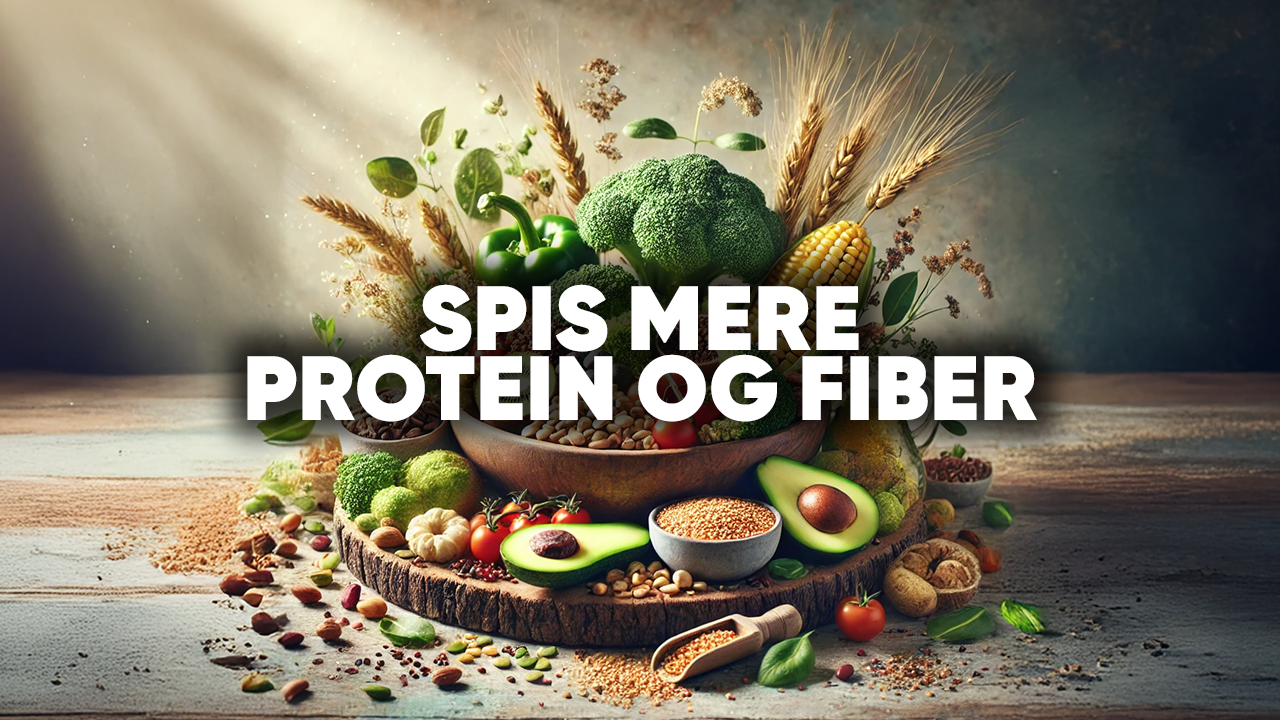
Protein and fiber are two of the most important building blocks of a healthy diet – and by prioritizing them in your meals, you can gain more energy, feel fuller, and maintain more stable blood sugar levels.
Protein
Protein is one of the body's building materials and helps maintain muscles, hormones, and the immune system. It also provides a good feeling of fullness, making it less likely that you will reach for unhealthy snacks between meals. You do not need to eat large amounts of meat to get enough protein – fish, eggs, legumes, nuts, and dairy products are excellent alternatives.
Benefits of Protein
💪 Protein supports muscle growth and maintenance.
🍽️ Protein promotes a feeling of fullness.
🩸 Protein helps stabilize blood sugar.
Fiber
Fiber is found especially in whole-grain products, vegetables, fruit, and legumes. Fiber is important for healthy digestion and helps keep you full for longer. It also contributes to a slower rise in blood sugar, which means more stable energy throughout the day.
Benefits of Fiber:
🌿 Fiber helps with digestion.
🍽️ Fiber keeps you full for longer.
🩸 Fiber helps stabilize blood sugar.
By focusing on combining protein and fiber in your meals, you can eat healthier in a natural and balanced way – without having to follow a diet.
Inspiration List – Great Tips on Protein and Fiber as Keys to Eating Healthier
🥩 Eat Healthily by Prioritizing Protein in Every Meal
Protein is an effective support when you want to eat healthily without feeling hungry shortly after a meal. By including protein-rich foods in your meals, such as eggs, fish, legumes, or dairy products, you can achieve more stable fullness. This fullness makes it easier to stay focused throughout the day and reduces the need for spontaneous snacks. Over time, this approach can contribute to calmer and more predictable eating habits.
🌾 Eat Healthily With Fiber to Support Digestion
Fiber is essential for healthy digestion and also plays an important role in fullness. When you eat healthily with a focus on fiber-rich foods such as vegetables, whole grains, and fruit, your body processes the energy from food more evenly. Fiber helps prolong the feeling of fullness and supports healthy bowel function, which can have a positive effect on both well-being and appetite.
🍽️ Eat Healthily by Combining Protein and Fiber
The strongest effect often occurs when protein and fiber are combined in the same meal. This combination provides both slow-release energy and good fullness, making it easier to eat healthily in a busy everyday life. A meal containing both protein and fiber can help reduce fluctuations in hunger and energy, making food choices more stable and less driven by sudden cravings.
🥗 Eat Healthily With Small Protein and Fiber Adjustments to Familiar Dishes
You do not need to create completely new dishes to eat healthily with more protein and fiber. Small adjustments to familiar meals can make a big difference. This might involve adding more vegetables, choosing higher-fiber side dishes, or adding an extra protein source. These adjustments improve the nutritional content of a meal without changing its overall character, making the habits easier to maintain.
🧠 Eat Healthily by Creating Better Appetite Balance With Protein and Fiber
When your diet contains enough protein and fiber, many people experience a more stable appetite throughout the day. This makes it easier to eat healthily without feeling controlled by fluctuating hunger or energy crashes. This balance can create a more relaxed relationship with food, where choices are based on needs rather than impulses and healthier habits develop more naturally.
Summary – Good Sources of Protein and Fiber When You Want to Eat Healthier
🥚 Eggs – Easy and versatile for breakfast or as a snack.
🥩 Lean meat and fish – For example, chicken, salmon, or cod.
🫘 Legumes – Lentils, chickpeas, and black beans are rich in both protein and fiber.
🥜 Nuts and seeds – Good as snacks or as toppings for yogurt and salads.
🧀 Low-fat dairy products – For example, skyr, yogurt, or cottage cheese.
🌾 Whole-grain products – Brown rice, rye bread, whole-grain pasta, and oatmeal.
🥦 Vegetables and fruit – Especially high-fiber vegetables such as broccoli and carrots, as well as apples.
******************************************************************
REMEMBER - When your body gets what it needs, a sense of calm follows. When your diet is balanced, good fullness and energy follow you throughout your everyday life.
Drink More Water When You Want to Eat Healthier

Water is one of the simplest and most effective ways to support a healthy lifestyle. Your body needs fluids to function optimally – from transporting nutrients to keeping your skin healthy and your brain sharp. When you drink enough water throughout the day, you also help regulate your appetite because thirst can often be mistaken for hunger.
Water is also essential for almost all of the body's functions — it helps transport nutrients, regulate body temperature, and support digestion. Many people also mistake thirst for hunger, which can lead to unnecessary snacking and increased calorie intake.
By prioritizing water over sugary drinks such as soda, cordial, or energy drinks, you can reduce unnecessary calories and added sugar without feeling like you are sacrificing anything. At the same time, you can make drinking water more interesting by adding natural flavors from lemon, cucumber, or fresh berries.
Making water your main beverage is a small change that can have a major effect on both your well-being and your health – and it is an easy step to take in everyday life. Therefore, always keep a water bottle nearby and make it a habit to drink regularly throughout the day. In this way, you can easily support your health and energy levels — without going on a diet.
Inspiration List – Great Tips on Water as Support When You Want to Eat Healthier
💧 Eat Healthily by Distinguishing Between Thirst and Hunger
One of the most overlooked challenges when trying to eat healthily is mistaking thirst for hunger. The body sends similar signals, so it can be helpful to drink water before reaching for food. When your fluid needs have been met, it becomes easier to determine whether your body actually needs nourishment. This awareness can lead to calmer and more conscious food choices throughout the day.
🕰️ Eat Healthily by Creating Regular Water-Drinking Habits
Drinking water does not have to be something you only do when you become thirsty. When you want to eat healthily, regular drinking habits can support both appetite and energy. By connecting your water intake with existing routines, such as meals or breaks, it becomes easier to remember. This consistency helps your body maintain a stable fluid balance and creates a more even sense of well-being.
🍽️ Eat Healthily With Water as Part of the Meal
Water plays a natural role during meals. When you drink water with your food, it supports both chewing and digestion. It can also contribute to a greater sense of fullness, making it easier to eat healthily without overdoing portion sizes. This simple habit can create more calm around meals and help you stop eating when your body is satisfied.
🌿 Eat Healthily by Replacing Sugary Drinks With Water
Sugary drinks can quickly add many calories without providing fullness. When you want to eat healthily, gradually choosing water instead can therefore make a major difference. The replacement does not need to be all or nothing but can happen step by step. Over time, your taste buds will adapt, and water will feel more natural as a thirst quencher, supporting healthier food and drink habits.
🧠 Eat Healthily by Understanding the Role of Water in the Body
Understanding why your body needs water can increase your motivation to drink more. Water is involved in almost all of the body's processes, including transporting nutrients and regulating temperature. When the body is well hydrated, these processes function more effectively, making it easier to eat healthily and experience more stable energy in everyday life.
Summary – How You Can Drink More Water When You Want to Eat Healthier
💧 Start the day with a glass of water – Gives your body a fresh start.
🥤 Always keep a water bottle nearby – At work, in your bag, or when you are on the go.
🍋 Add natural flavor to your water – Use lemon, lime, mint, or cucumber slices to flavor your water.
📱 Set reminders to drink water – Use an app or alarm to remind you to drink throughout the day.
🍵 Replace some cups of coffee or tea with water – By regularly drinking water instead of coffee or tea, you can avoid consuming too much caffeine.
🧊 Drink sparkling water – If you miss the bubbles, it is a good alternative to soda, possibly flavored sparkling water.
🥗 Drink a glass of water with every meal – Water with every meal supports digestion and helps keep you hydrated.
*******************************************************************************************
REMEMBER - Water is an underrated healthy habit, and when your fluid balance is maintained in a healthy way, your appetite often falls naturally into a better balance.
Choose Healthier Snacks When You Want to Eat Healthier

Snacking does not have to be an obstacle to a healthy lifestyle – on the contrary, it can be an important part of keeping your energy levels stable throughout the day. The key is simply to choose snacks that provide nutrition and fullness rather than those that only provide empty calories and sugar.
When you replace chips, cake, or candy with healthier alternatives, you still get something tasty to snack on without negatively affecting your health. Snacks such as fruit, vegetable sticks, nuts, or yogurt can satisfy hunger between meals and provide energy that lasts longer. It is not about completely banning unhealthy snacks but about having good alternatives ready so you can more easily make healthier choices in everyday life.
Inspiration List – Great Tips for Smart Snack Choices That Make It Easier to Eat Healthier
🍏 Eat Healthily With Snacks That Provide Long-Lasting Fullness
When you want to eat healthily, it is beneficial to choose snacks that satisfy hunger and keep your energy stable. Foods with a good combination of protein, fiber, and fat help prevent hunger from returning shortly afterward. These types of snacks can make it easier to get through the day without constantly thinking about your next meal and reduce the risk of impulsive choices later.
🥕 Eat Healthily by Choosing Snacks Made From Natural Ingredients
Snacks based on whole and simple ingredients are often a good starting point when your goal is to eat healthily. Fruit, vegetables, nuts, and dairy products in their natural form contain nutrients that the body recognizes and uses efficiently. By allowing these foods to take up more space in your snack drawer, it becomes easier to make healthy choices, even when hunger suddenly appears.
🍽️ Eat Healthily by Planning Snacks in Advance
Planning can be a crucial factor when you want to eat healthily in a busy everyday life. When healthy snacks are easily available, the need for quick solutions is reduced. This can create more calm around food choices and make it easier to maintain healthy habits. Small preparations can therefore have a significant effect on your overall diet.
🧠 Eat Healthily by Understanding the Role of Healthy Snacks in Your Diet
Snacks are not simply filler between meals but can function as an important part of your overall diet. When you view snacks as an opportunity to add nutrition rather than empty calories, your perspective changes. This understanding can make it easier to eat healthily because snack choices become an active part of a balanced everyday lifestyle.
🌱 Eat Healthily With Flexibility and Enjoyment in Focus
Healthier snacks do not need to be boring or repetitive. When there is room for variety and enjoyment, it becomes easier to maintain the habits over time. By allowing flexibility in your snack choices, you create a healthier relationship with food where eating healthily does not feel like a restriction but rather a conscious choice.
Summary – Healthy Snack Ideas When You Want to Eat Healthier
🍎 Fruit as a healthy snack – Apples, bananas, grapes, or berries for natural sweetness and fiber.
🥕 Vegetable sticks with dip as a healthy snack – For example, carrots, cucumber, or bell peppers with hummus.
🥜 Nuts and seeds as healthy snacks – Small amounts provide healthy fats and good fullness.
🥛 Yogurt or skyr as a healthy snack – Possibly topped with a little fresh fruit or nuts.
🍿 Popcorn as a healthy snack – Without too much oil or salt, as a light and filling alternative.
🫘 Roasted chickpeas as healthy snacks – Crunchy, protein-rich, and seasoned snacks.
🧀 Small pieces of cheese with whole-grain crispbread as a healthy snack – A combination of protein and fiber.
*******************************************************************************
REMEMBER- Good healthy snacks support good eating habits. Healthier snacks between meals create more calm and balance in your diet.
*****************************************************************************
Get inspiration for making your own healthy snacks in our article - Great Tips for Budget-Friendly and Healthy Snacks for the Family
Allow Yourself to Enjoy Food When You Want to Eat Healthier

Eating healthily does not mean that you have to say goodbye to everything you love. On the contrary, it is important to make room for enjoyment and small “breaks” in your diet – otherwise, you risk associating healthy food with deprivation and restrictions. When you make room for enjoyment, you avoid feelings of deprivation, which can often lead to overeating or unhealthy eating habits.
It could be a piece of dark chocolate, a freshly baked bread roll, or your favorite dish on a special occasion. Allow yourself to enjoy an ice cream or a piece of cake once in a while without guilt. A balanced approach makes it easier to maintain healthy habits in the long term because you do not feel like you are constantly missing out. The key is moderation. When you allow yourself a dessert, a piece of chocolate, or a glass of wine once in a while, it becomes part of a healthy overall lifestyle rather than a “forbidden” moment.
It is about finding a rhythm where healthy choices make up the majority of your diet while enjoyment still has its place. In this way, you can create a healthier approach to food that satisfies both your body and mind — without it feeling like a diet. Having a healthy relationship with food is more important than living with constant restrictions.
Inspiration List – Great Tips on How Enjoyment Can Support You in Eating Healthier
🍰 Eat Healthily by Removing Restrictions and Black-and-White Thinking About Healthy and Unhealthy Food
Restrictions can create a tense relationship with food where certain foods gain disproportionate power. When you want to eat healthily, it can be beneficial to let go of the idea of “good” and “bad” foods. By allowing all foods within a balanced context, the urge to overeat can be reduced. This approach creates greater calm around food choices and makes it easier to return to healthy habits again and again.
🍽️ Eat Healthily With a Focus on Flavor and Satisfaction
When food tastes good, satisfaction increases, and the need for additional snacks or extra servings decreases. Eating healthily is therefore also about choosing food that you actually enjoy. By prioritizing flavor, texture, and quality, you can create meals that satisfy you both physically and mentally. This satisfaction helps support healthier eating behavior in the long term.
🧠 Eat Healthily by Eating Mindfully
Being attentive during a meal can enhance enjoyment while also helping you recognize fullness. When you eat healthily with a focus on the experience itself, it becomes easier to stop when your body is satisfied. This form of mindful eating can reduce feelings of deprivation and make food more satisfying without needing larger amounts.
❤️ Eat Healthily Without Guilt or a Bad Conscience
Guilt and shame are rarely good motivations for healthy habits. When you allow yourself enjoyment without criticizing yourself, you create a healthier mental relationship with food. Eating healthily without constant self-control makes it easier to maintain a positive approach where food is viewed as support rather than an opponent. This acceptance can be crucial for creating balance in everyday life.
🌱 Eat Healthily With a Long-Term Approach to Food Enjoyment and Balance
Enjoyment is an important part of a long-term healthy lifestyle. When pleasure and flexibility are part of your eating habits, it becomes easier to maintain them over time. Eating healthily is not about making perfect choices every day but about creating an overall balance where both nutrition and enjoyment have a place. This overall approach makes healthier habits more sustainable and less stressful.
Summary – How You Can Enjoy Food in Moderation and Still Eat Healthily Overall
🍫 Enjoy small amounts of sweets – A few pieces of dark chocolate can satisfy sweet cravings.
🍷 A glass of wine on special occasions – Enjoy it consciously rather than making it a habit.
🍨 Make healthier desserts – For example, fruit salad with yogurt or baked apples with cinnamon.
☕ Treat yourself to coffee or tea – But consider reducing the sugar and cream.
🧁 Plan your treats – Decide when you want to enjoy something extra so it feels special.
🥳 Share the experience – Enjoy “treats” with others so the enjoyment also becomes social.
🌿 Practice mindful eating – Eat slowly and pay attention to the flavors so you get more enjoyment from smaller amounts.
*************************************************************************
REMEMBER - A healthy relationship with food thrives best without strict rules. Enjoyment and health can easily go hand in hand with a good and thoughtful balance.
Plan Your Meals When You Want to Eat Healthier
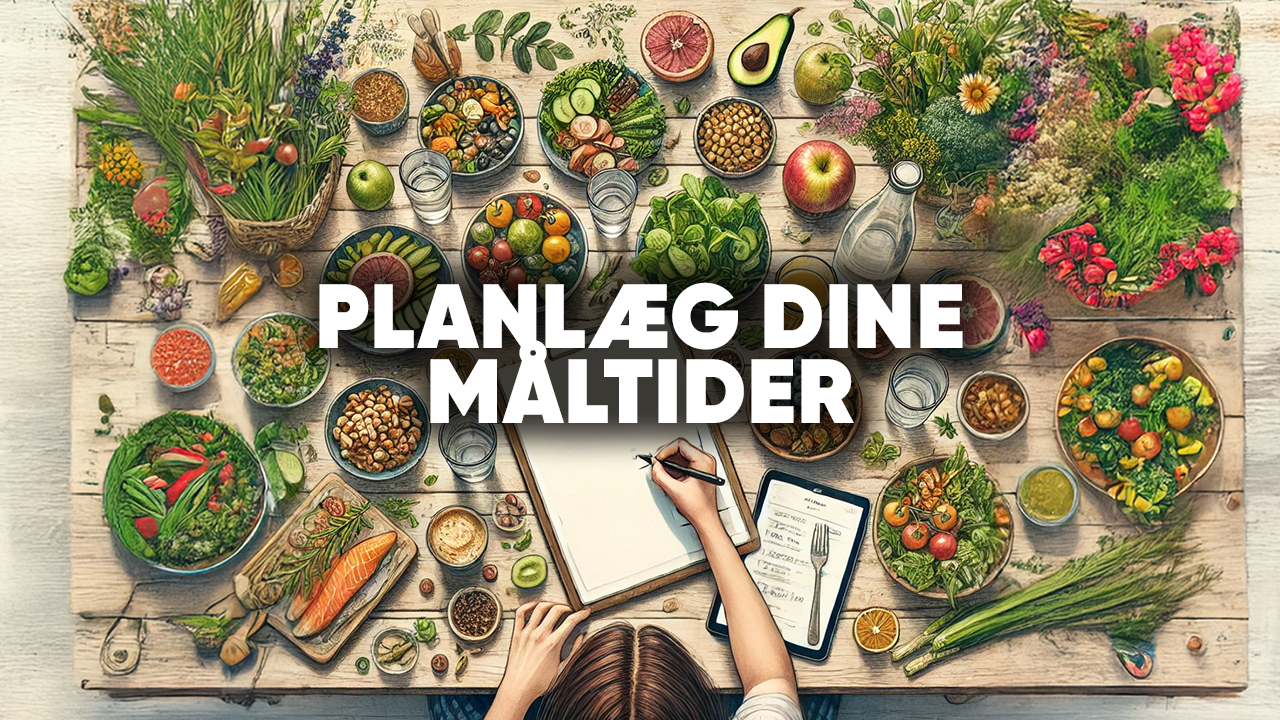
Planning your meals can be one of the most effective ways to eat healthier without feeling like you are on a diet. When you have a plan for what you are going to eat during the day or week, it becomes easier to choose healthy and nutritious dishes that support your energy and well-being.
By preparing meals in advance, you also avoid the temptation to choose quick and less healthy alternatives when hunger strikes. It does not have to be complicated — a simple meal plan or shopping list can make a big difference.
When you plan, you can also make sure there is variety in your diet so that your needs for vitamins, minerals, and fiber are met. In this way, you can enjoy good food with a clear conscience — without feeling like you are on a diet.
Inspiration List – Great Tips on How Planning Makes It Easier to Eat Healthier
🗓️ Eat Healthily by Creating an Overview With a Weekly Meal Plan
When you want to eat healthily, a simple overview of the week's meals can make a big difference. It is not about planning everything in detail but about having an idea of what you will eat on most days. This overview reduces decision fatigue and makes shopping and preparation easier. When the basic framework is in place, it becomes easier to make healthy choices in everyday life.
🛒 Eat Healthily by Shopping With a Purpose
Shopping plays a central role when your goal is to eat healthily. With a clear idea of upcoming meals, you can shop more purposefully and avoid impulse purchases. When your refrigerator and cupboards are stocked with good ingredients, it becomes easier to put together nutritious meals without additional thought. This type of preparation supports healthy habits and saves both time and energy.
🍽️ Eat Healthily by Preparing Simple Meals
Preparation does not have to be time-consuming to be effective. When you want to eat healthily, it may be enough to prepare individual components such as vegetables, protein sources, or side dishes. These small preparations make it easier to put meals together quickly and reduce the risk of choosing less healthy alternatives when time is limited.
🔄 Eat Healthily With Flexibility in Your Meal Plan
A good meal plan allows room for changes. When you want to eat healthily, it is important that planning does not feel rigid. By thinking in terms of flexible solutions, you can adjust meals according to appetite, mood, and the pace of everyday life. This balance makes it easier to stick with planning without feeling restricted.
🌱 Eat Healthily by Creating Stable Eating Routines
Planning can form the basis of regular eating routines that make it easier to eat healthily without having to think about it every day. When certain meals or food choices become a natural part of the week, they require less energy to maintain. Over time, these routines can create a healthier structure that supports both well-being and energy.
Summary – Good Advice for Meal Planning to Help You Eat Healthier
📝 Create a weekly healthy meal plan – So you always know which healthy meals you will eat during the week.
🛒 Make a shopping list – Shop according to your plan to avoid unhealthy temptations.
🍲 Meal prep – Prepare healthy meals or snacks in advance.
🥦 Keep healthy staples ready – For example, whole grains, vegetables, eggs, beans, and frozen berries.
🥗 Think about variety – Switch between different proteins, vegetables, and carbohydrates.
🥤 Prepare healthy snacks – For example, vegetable sticks, nuts, or yogurt for between meals.
💡 Plan flexibly – Allow room for spontaneous plans and small treats.
**********************************************************
REMEMBER- Good meal planning creates calm in everyday life and makes maintaining your health easier through good and healthy weekly eating habits.
**********************************************************
If you are interested in creating a weekly meal plan, you can find further inspiration in our article - Save Money on Your Food Budget – Great Tips for an Affordable Meal Plan
Eat Slowly and Enjoy Your Food When You Want to Eat Healthier

Eating slowly is a simple but extremely effective way to eat healthier without going on a diet. When you take the time to enjoy your food bite by bite, you give your body the opportunity to recognize fullness, making it easier to avoid eating too much. It is about being present in the moment and truly tasting your food instead of eating on autopilot.
Eat slowly and pay attention to what you are eating. It takes time for your brain to register that you are full, so if you eat too quickly, you risk overeating. By eating slowly, you may also experience greater satisfaction from your meal and therefore less desire to snack unnecessarily later in the day.
Allow yourself to slow down and create a pleasant atmosphere around your meal — for example, by turning off screens and having a conversation with the people you are eating with. In this way, eating becomes more than just a practical necessity; it becomes a healthy and enjoyable part of your everyday life.
Inspiration List – Great Tips on How Eating More Slowly Makes It Easier to Eat Healthier
🍽️ Eat Healthily by Giving Your Body Time to Keep Up
When you eat slowly, your body has a better opportunity to register fullness. Fullness signals take time to travel from your stomach to your brain, and eating quickly can mean that you overlook them. By slowing down, it becomes easier to eat healthily because you stop when your body is satisfied – not afterward. This awareness can make a major difference to both portion sizes and well-being.
🧠 Eat Healthily by Increasing Your Awareness During Meals
Eating more slowly increases your awareness of what and how much you eat. When you are present during your meal, flavors, textures, and fullness become more noticeable. This awareness can help you eat healthily without feeling the need for additional food afterward. At the same time, it creates a more satisfying eating experience that reduces feelings of deprivation.
🍴 Eat Healthily by Minimizing Distractions at the Dinner Table
Distractions such as screens and multitasking can cause a meal to pass quickly without you noticing it. When you want to eat healthily, it can be beneficial to create a calm environment around your food. By giving your meal your full attention, it becomes easier to eat slowly and notice your body's signals. This simple change can strengthen the connection between hunger, fullness, and enjoyment.
🌱 Eat Healthily by Connecting Enjoyment With Fullness
Enjoyment and fullness are closely connected. When you eat slowly and give yourself time to enjoy your food, satisfaction often increases, even with smaller amounts. This makes it easier to eat healthily because the need for extra portions or snacks decreases. Over time, this approach can create a more natural balance in your relationship with food.
❤️ Eat Healthily by Making Mealtimes a Welcome Break in Everyday Life
When a meal is viewed as a break rather than a task, the experience changes significantly. Eating healthily is also about giving yourself permission to stop and be present. By using your meal as a moment of calm and reflection, you can strengthen both your well-being and enjoyment of food. This practice can make healthy habits more pleasant and easier to maintain.
Summary – How You Can Eat Slowly and Enjoy Your Food When You Want to Eat Healthier
🍽 Sit down and eat – Avoid eating while standing or on the go.
🕰 Use the 20-minute rule – It takes time for your body to register fullness.
🥄 Put your cutlery down between bites – This helps you slow down while eating.
👃 Use your senses – Pay attention to the taste, smell, and texture while you eat.
📵 Eat without distractions – Avoid screens and focus on your meal.
💧 Take small sips of water along the way – This extends the meal and supports digestion.
🌿 Practice mindful eating – Be present in the moment and enjoy every bite of your meal.
***********************************************************************
REMEMBER - When the pace slows down, enjoyment of food increases, and slower eating creates better balance around food.
Conclusion
Eating healthier is not about following a strict diet but about finding a balance that works for you and your everyday life. Eating healthier does not need to be complicated or restrictive. With small, realistic changes — such as listening to your body, prioritizing whole foods, drinking more water, enjoying your food, and planning your meals — you can strengthen your health and well-being in a natural way.
It is about creating a positive relationship with food where there is room for both enjoyment and thoughtful choices. By taking one step at a time, you can create a sustainable and healthy lifestyle that lasts in the long term.
****************************************************************************************
REMEMBER - Healthier eating habits begin with small steps — steps that can improve your quality of life in a sustainable way, and you can start taking them today.
Mini Guide – How You Can Eat Healthier Without Going on a Diet
Eating healthily without following a traditional diet is first and foremost about creating habits that fit your life and can be maintained in the long term. Instead of strict rules and short-term solutions, the focus here is on understanding, balance, and small adjustments that together make it easier to eat healthier in everyday life.
This mini guide summarizes the article above and gives you an overview of the most important areas you can focus on if your goal is healthier eating habits without pressure or deprivation.
🧠 Eat Healthily by Understanding Your Body's Signals
When you want to eat healthily, it is essential to reconnect with your body's signals of hunger and fullness. Many people eat according to habit, time of day, or emotions rather than genuine need. By practicing noticing when your body actually needs food and when it is satisfied, it becomes easier to eat healthier without feeling controlled or restricted. This awareness creates a more natural relationship with food and makes healthy choices more intuitive.
🥦 Eat Healthily With a Focus on Whole and Nutritious Foods
A central part of eating healthily without dieting is allowing whole, unprocessed foods to make up more of your everyday diet. When your diet mainly consists of ingredients such as vegetables, fruit, whole grains, protein-rich foods, and healthy sources of fat, your body receives the nutrients it needs. This approach makes it easier to achieve fullness and stable energy without having to count calories or follow fixed rules.
🍽️ Eat Healthily by Creating Balance in Your Meals
Eating healthily is not about individual foods but about the overall composition of your meals. When meals contain a good balance of protein, fiber, and fat, both fullness and well-being are supported. This balance helps stabilize appetite and makes it easier to avoid major fluctuations in energy and hunger. Over time, this creates calmer and more predictable eating habits.
🕰️ Eat Healthily by Eating Slowly and Mindfully
The pace at which you eat has a major influence on how your body recognizes fullness. When you eat healthily with calmness and awareness, your body has time to send signals indicating when it is satisfied. Slower eating also increases enjoyment and may reduce the need for larger portions. This practice makes meals more satisfying and supports a healthier relationship with food.
💧 Eat Healthily by Supporting Your Body With Water
Water plays an important role when you want to eat healthily. Many people mistake thirst for hunger, which can lead to unnecessary eating. By maintaining a steady fluid balance throughout the day, it becomes easier to interpret your body's signals correctly. Good hydration supports digestion and contributes to more stable food choices in everyday life.
🌱 Eat Healthily Through Small and Sustainable Changes
Long-lasting results rarely come from large, sudden changes. When you want to eat healthily without dieting, small adjustments are often more effective. This could mean improving familiar meals, choosing slightly healthier snacks, or planning a few meals in advance. These small steps are easier to repeat and therefore become established habits more quickly.
🍎 Eat Healthily With Room for Flexibility and Enjoyment
A healthy lifestyle is difficult to maintain if enjoyment is completely absent. Eating healthily does not mean that all spontaneity or pleasure from food should be removed. When there is room for flexibility and enjoyment, feelings of deprivation decrease, and healthy choices become something you actively choose rather than something you feel forced to do. This balance is essential for creating a healthy and sustainable relationship with food.
🗓️ Eat Healthily by Creating an Overview and Simple Eating Routines
Planning does not need to be detailed to be effective. When you want to eat healthily, simple routines and a basic overview of your meals can make everyday life easier. It reduces stress around food choices and makes it easier to maintain healthy habits, even when everyday life is busy.
******************************************
This mini guide shows that eating healthier without dieting is about the overall picture, understanding, and healthy repetition rather than rules and control. When healthy choices fit into your life, they also become easier to live with every day – and easier to maintain as healthy eating routines.
Here Are 4 Great Tips You Can Start Using Today to Begin Eating Healthier
✅ Eat a varied and balanced healthy diet – Choose whole foods, vegetables, whole grains, protein, and healthy fats.
✅ Listen to your body when you eat – Eat when you are hungry and stop when you are full.
✅ Make small healthy changes to your meals – Drink water instead of soda, eat more vegetables, and choose healthier snacks.
✅ Enjoy food without guilt – Allow room for small temptations when you eat, but let healthy choices make up the majority of your diet.
*******************************************************************
If you need further inspiration on how to eat healthier in a good way, you can watch this video - How to Make Healthy Eating Incredibly Easy
------------------------------------
If You Are Interested in Changing Your Lifestyle With Healthy Food as an Important Key Factor, You Can Find More Inspiration for Healthy Eating in Our Articles:
Great Tips for Good, Healthy, and Affordable Food
Great Tips for Affordable and Healthy Everyday Meals That Can Be Made in Under 30 Minutes
Great Tips for Superfoods – The Best Foods for Your Health
Great Tips for Affordable Superfoods That Make Your Meals Both Tastier and Healthier
Great Tips for Healthy Budget-Friendly Meals Focusing on Fresh Seasonal Ingredients
Great Tips for Affordable Vegetarian and Vegan Dishes That Still Taste Amazing
****************************************************************************************************************
If you have experience and/or knowledge about how to eat healthier in a good and constructive way without going on a diet, we would be happy to hear your input and/or suggestions in the comments section about other good ways to eat healthier without it having to be a diet, so that you can gradually develop a healthier lifestyle.