

A healthier lifestyle does not have to involve expensive gym memberships, advanced equipment or major changes to your daily life. For many people, it is really about finding accessible solutions that fit into a busy schedule. Home exercises play an important role here, as they make it possible to move your body regularly – regardless of time, place or fitness level.
Home exercises are an effective way to strengthen your body and improve your wellbeing. They can improve fitness, strengthen muscles, increase mobility and help you feel more energised throughout the day. Regular movement can also have a positive effect on your mood, sleep and mental energy. Even short workouts can make a difference when done consistently.
One of the biggest benefits of home exercises is flexibility. You can exercise whenever it suits you, without travel time or fixed class schedules. This makes it easier to maintain healthy habits over time, as your workouts can be adapted to your own pace and needs. Whether you prefer gentle exercises that focus on flexibility and balance or more vigorous workouts that raise your heart rate, there are home exercises to support your particular goals.
However, a healthier lifestyle is not just about exercise – it is about your overall wellbeing. Exercising at home can be an important step towards a more active daily life, where movement comes more naturally. When exercise becomes an integral part of everyday life, many people find that it also has a positive influence on other habits, such as nutrition, recovery and general wellbeing.
In this article, we share practical tips on achieving a healthier lifestyle with easy and effective home exercises. The focus is on solutions that are realistic, manageable and easy to get started with – so exercise becomes a natural and sustainable part of your daily life.
Why Choose Home Exercises?
Home exercises are an obvious choice for many people who want a healthier lifestyle without making exercise a time-consuming commitment. Working out at home removes many of the barriers that can otherwise make it difficult to get started. There is no travel time, no fixed class schedule and no need for special equipment, making it easier to fit movement into a busy day.
One of the biggest benefits of home exercises is flexibility. You can exercise whenever it suits you and adapt your workout to your energy levels and needs. This makes it easier to listen to your body and establish a routine you can maintain in the long term. For many people, this flexibility is essential to maintaining an active lifestyle.
Home exercises are also an affordable option. Without memberships, travel or equipment, you can achieve effective results with simple exercises that use your own body weight. This makes home exercises accessible to everyone, regardless of budget or exercise experience.
Home exercises also allow you to work out in a comfortable and familiar environment. This can be an advantage for those who feel unsure of themselves in gyms or prefer to exercise in peace and quiet. When people exercise on their own terms, they often feel more motivated and under less pressure.
Overall, home exercises make it easier to prioritise movement in everyday life. When exercise becomes more accessible and less complicated, it is more likely to become a regular part of a healthier lifestyle – with positive effects on both your body and your wellbeing.
Summary of the Benefits of Exercising at Home
Time-saving – You avoid travelling to and from the gym.
Flexible – Exercise whenever it suits you, without having to wait for equipment.
Affordable – Home workouts often require little or no equipment.
Private – You can focus on your workout without worrying about what others think.
Planning Your Home Exercise Routines

A good home workout routine starts with a clear and realistic plan. Planning your home exercise routine creates structure, making it easier to stay consistent and achieve results over time.
Planning your home exercise routine also helps you avoid procrastination, so exercise becomes a natural part of everyday life — just like brushing your teeth or having your morning coffee.
An effective home exercise routine does not need to be complicated. What matters most is that it fits your daily life, available time and energy levels, so you can maintain it in the long term.
Ideas for Effectively Planning Your Home Exercise Routine
🗓️ Set Regular Times for Your Home Workouts
One of the most important keys to success is consistency. Setting aside regular times for your home workouts makes it easier to establish structure and healthy habits. Choose times when you typically have energy — for example, in the morning before work or in the evening after dinner. Consistency matters more than duration, so even short workouts count.
⏳ Start with Short Sessions and Gradually Build Up Your Home Workouts
If you are new to exercising at home, it is best to start gently. Begin with 10–15 minutes of exercise a couple of times a week and gradually build up as your body gets used to the effort. This reduces the risk of injury and makes it easier to stay motivated.
Remember – little and often is the way to lasting results.
🏡 Create a Dedicated Workout Area in Your Home
A dedicated workout area makes it easier to get started with home exercise. It does not need to be a large room — a corner of your living room or bedroom can be enough. Keep your mat, dumbbells or resistance bands ready so you do not have to get your equipment out every time. The easier it is to start, the more often you will do it.
💪 Choose Exercises That Suit Your Home Workout Goals
Define what you want to achieve through exercising at home — for example, increased strength, weight loss or improved fitness. Choose exercises that match your goals and include variety. These could be bodyweight exercises such as squats, press-ups and the plank, or exercises using simple equipment such as resistance bands and dumbbells. Targeted training delivers quicker results that help keep you motivated.
🧭 Make a Weekly Plan to Keep Your Home Workouts Varied
Variety is key to staying motivated. Alternate between strength, cardio and mobility exercises to keep your home workouts interesting. For example, you could do strength training on Monday, yoga on Wednesday and go for a walk or dance on Friday. Plan your week to avoid monotony while working your whole body over time.
⏰ Set Realistic Goals and Track Your Progress with Home Workouts
Measurable and realistic goals make home workouts much more motivating. Start with small, specific goals such as “I will exercise 3 times a week for 15 minutes” and adjust gradually. Consider using an app or notebook to track your progress. Seeing improvements in your strength, endurance or energy will naturally make you feel more motivated to continue.
🧘 Plan Breaks and Recovery into Your Home Workout Routine
Even when you exercise at home, rest is still essential. Your body needs time to rebuild muscles and restore energy. Plan rest days and listen to your body. Consider spending recovery days doing gentle activities such as stretching, yoga or going for a walk. This helps make your home exercise routine sustainable in the long term.
REMEMBER – A structured, well-considered and realistic home workout plan makes it easier to stay motivated, find balance and achieve results — all from the comfort of your own home.
Basic Equipment for Home Exercises
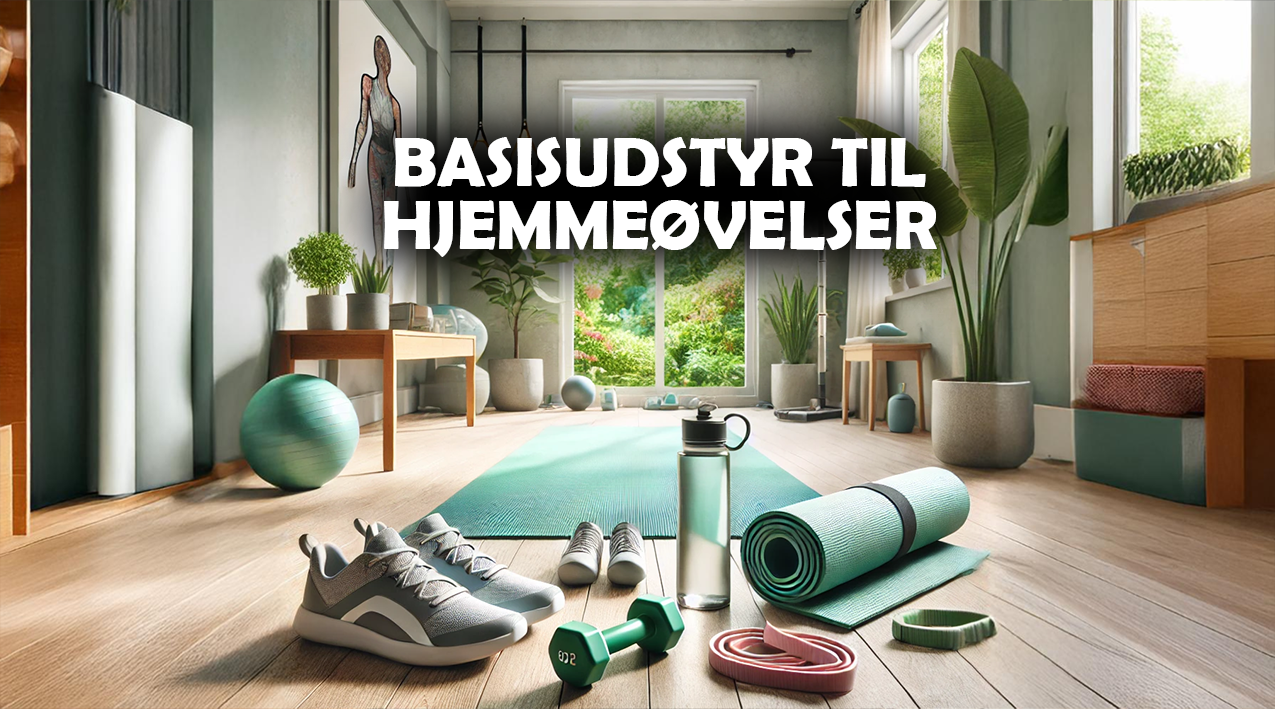
A major benefit of exercising at home is that you do not need expensive or advanced equipment to get off to a good start. In fact, you can build an effective home workout routine with just a few inexpensive items — and some exercises require no equipment at all. What matters most is choosing simple equipment that allows for variety and flexibility in your home workouts.
With the right basic equipment, you can do strength training, flexibility exercises and cardio — all in the comfortable and flexible surroundings of your own home.
Ideas for Basic Equipment for Home Workouts
🧘 An Exercise Mat for Comfort and Stability During Home Workouts
A good exercise mat is one of the most basic pieces of equipment for home workouts. It provides a stable and comfortable base when you exercise on the floor — especially for abdominal and back exercises, stretching or yoga. An exercise mat protects both your body and the floor, making home workouts more comfortable and motivating.
🏋️ Dumbbells for Effective Home Workouts
A set of dumbbells gives you plenty of options for strength training at home. They can be used for everything from arm raises and squats to lunges and core exercises. You do not need heavy weights for home workouts — even light dumbbells can be effective, especially when you exercise regularly. Weights allow you to gradually increase resistance and strengthen your body over time.
🪢 Resistance Bands for All-Round Home Workouts
Resistance bands are a versatile and affordable piece of equipment for home workouts. They can be used for strength, flexibility and rehabilitation exercises, and take up hardly any space. Resistance bands are perfect for providing resistance and activating your muscles in a gentle yet effective way — whatever your fitness level.
🪜 A Chair or Bench for Support During Home Workouts
An ordinary chair or a sturdy bench can be used for many exercises in your home workouts — such as step-ups, dips, squats or balance exercises. This requires no specialist equipment but allows you to vary your workouts and make them more functional. Make sure the chair is stable so you can exercise safely.
🪨 Water Bottles or Everyday Objects as Weights for Home Workouts
If you do not have dumbbells, you can easily use things you already have at home — for example, filled water bottles, tins of food or small bags. These work as inexpensive and practical alternatives to weights, allowing you to do strength training at home without any extra expense.
🧦 Non-Slip Socks or Trainers for Safe Home Workouts
Although home workouts often involve very little equipment, footwear and stability are important. Non-slip socks or a good pair of trainers help you maintain a firm footing, avoid slipping and perform exercises correctly. This helps you feel more secure and improves your home workout experience.
📱 A Timer or App for Structure and Motivation in Your Home Workouts
A simple timer or a free fitness app can help you structure your home workouts. You can use it to keep track of intervals, breaks and workout duration, making it easy to follow a regular routine. This provides clarity, rhythm and motivation — especially when you exercise alone at home.
REMEMBER – With just a few simple pieces of equipment, you can create a complete and effective home workout routine. You do not need expensive equipment to achieve good results — what matters most is having the right basic equipment and the motivation to get started with your home workouts.
Effective Home Exercises for the Whole Body
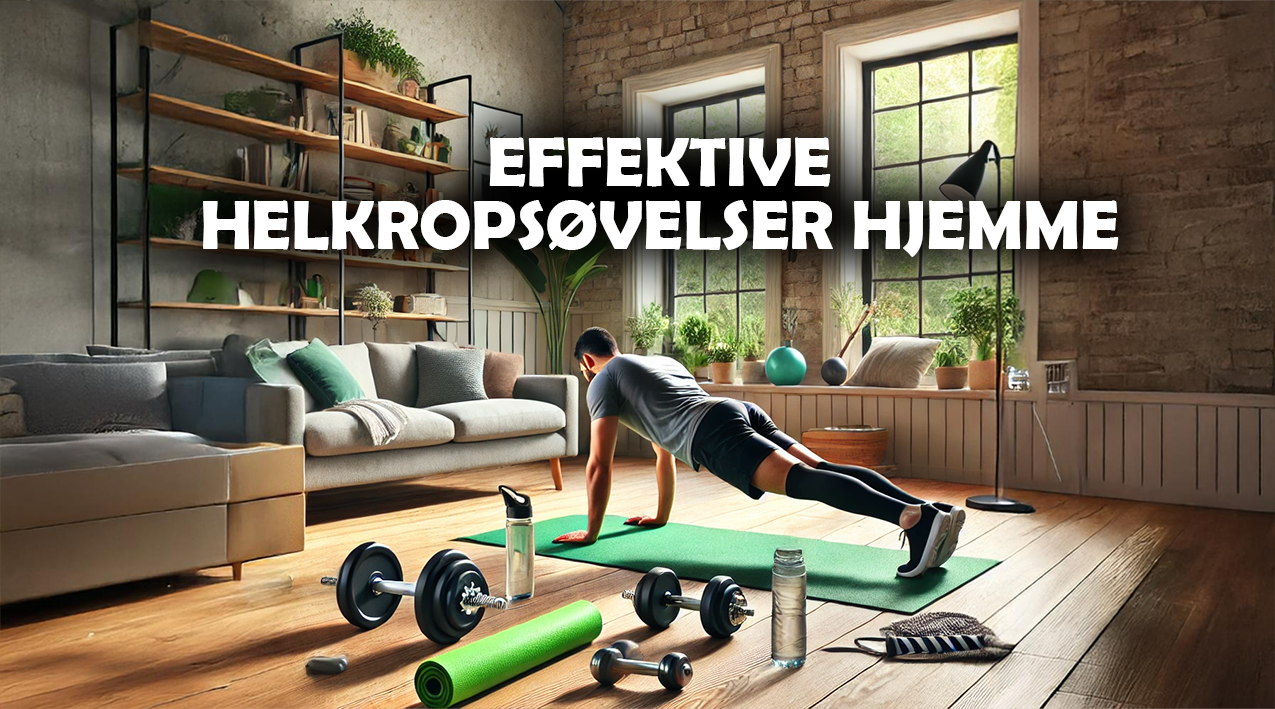
When you exercise at home, it is important to choose exercises that activate several muscle groups at once. This provides an effective and balanced workout that strengthens your body, improves fitness and boosts energy levels — without needing advanced equipment or much space. By combining simple but targeted exercises, you can create a complete full-body workout at home that can be adapted to your fitness level.
Bodyweight exercises are particularly useful because they improve strength, balance and stability. Below, you will find a range of home exercises grouped by focus area. They require minimal equipment and can easily be adapted to your fitness level.
Exercises for Legs and Glutes
Your legs and glutes contain some of the largest muscle groups in your body, which is why training these areas is so important for strength, stability and everyday function. Strengthening your legs and glutes makes daily movements such as walking, standing up, lifting and balancing easier. Targeted exercises can also help improve posture and reduce the risk of injury.
Home exercises for legs and glutes can be performed without equipment and adapted to all fitness levels. Bodyweight exercises activate the muscles effectively and allow you to gradually increase the intensity as your strength improves. This makes training both flexible and manageable, whether you are a beginner or more experienced.
Regular training of your legs and glutes can also have a positive effect on circulation and calorie burning. Since these muscles are large, working them requires more energy, which can help increase calorie expenditure and improve fitness over time. Many people also find that lower-body strength training gives them more energy and greater stability throughout their body.
Another benefit of exercises for legs and glutes is that they often involve several muscle groups at once. This means you get an effective workout in a short amount of time, making them ideal for a busy schedule. When performed with correct technique and at a pace that suits your fitness level, these exercises can easily become a regular part of your home workouts.
By focusing on your legs and glutes in your workout routine, you create a solid foundation for a healthier and more active lifestyle. The exercises can be varied and combined to keep your workouts motivating and suited to your needs — helping them become a natural part of your daily life.
Below are some effective exercises for legs and glutes
1 - Squats
How to do it – Stand with your feet hip-width apart, lower yourself as though sitting on a chair, then push back up.
Variation – Try jump squats for extra intensity.
2 - Lunges
How to do it – Step forwards with one leg, lower your body until your knee almost touches the floor, then return to the starting position. Alternate legs.
Variation – Try walking lunges for an extra challenge.
3 - Glute Bridges
How to do it – Lie on your back with your knees bent and your feet flat on the floor. Lift your hips, squeeze your glutes, then lower slowly.
Upper-Body Exercises
Your upper body plays a central role in many everyday movements, and strong muscles in your arms, shoulders, back and chest support both function and wellbeing. Training your upper body regularly makes it easier to lift, carry and perform repetitive movements without unnecessary strain. Targeted exercises can also help prevent the tension and pain that often arise from sedentary work.
Upper-body exercises can be performed effectively at home without advanced equipment. Many exercises use your body weight and can be adjusted in difficulty to suit both beginners and more experienced exercisers. This makes workouts flexible and easy to adapt to each individual, regardless of fitness level or experience.
Regular upper-body training can improve posture by strengthening the muscles that support your spine and shoulders. A stronger upper body can reduce tension in your neck and shoulders and help you maintain a more upright and relaxed posture. This can make a considerable difference to your everyday wellbeing, especially if you spend many hours in front of a screen.
Upper-body exercises also have the advantage of often activating several muscle groups at once. This makes workouts more effective and saves time, allowing you to get plenty of benefit even from short sessions. When performed with a focus on correct technique and control, these exercises can deliver noticeable results over time.
By incorporating upper-body exercises into your home workouts, you develop a more balanced and functional body. This not only strengthens your muscles but also improves stability and mobility, which are important elements of a healthier and more active lifestyle.
Below are some effective upper-body exercises
4 - Press-Ups
How to do it – Place your hands beneath your shoulders, lower your body towards the floor, then push back up.
Beginner tip – Perform them on your knees to reduce the intensity.
5 - Triceps Dips
How to do it – Use a chair or sofa. Place your hands on the edge and lower your body towards the floor before pushing back up.
6 - Superman
How to do it – Lie on your stomach with your arms and legs extended. Lift them off the floor at the same time, hold briefly, then lower them again.
Core Training
Core training is an important part of maintaining a healthy, well-functioning body, as the core muscles form the body’s stable centre. The core includes the muscles around your abdomen, back and pelvis, which work together to support your spine and provide balance and stability in almost every movement. Strong core muscles make it easier to perform both everyday activities and other forms of exercise with better control and less strain.
One of the main benefits of core training is that it can be done effectively at home without equipment. Many core exercises use your own body weight and focus on slow, controlled movements. This makes the training accessible to everyone, regardless of fitness level, and easy to adapt to individual needs and goals.
Regular core training can help improve posture and reduce the risk of back pain. Strengthening the muscles around your abdomen and back relieves pressure on your spine and provides better support in everyday life. This is particularly relevant for people with sedentary jobs, where weak core muscles can often lead to tension and discomfort.
Core training also plays an important role in balance and body control. A strong core improves stability and makes it easier to perform movements with precision, both in sport and in everyday life. This can give you a greater sense of confidence and body awareness, positively influencing your overall wellbeing.
By making core training a regular part of your home workouts, you create a solid foundation for a healthier lifestyle. Strong core muscles support your whole body and make other exercise more effective, while also helping you move better and experience less strain in everyday life.
Below are some effective exercises for your core
7 - The Plank
How to do it – Keep your body in a straight line, supported on your elbows or hands. Hold the position for as long as possible.
Variation – Try side planks to work your oblique abdominal muscles.
8 - Bicycle Crunches
How to do it – Lie on your back, lift your legs and alternate bringing each elbow towards the opposite knee in a cycling motion.
9 - Russian Twists
How to do it – Sit on the floor, lift your feet and rotate your body from side to side with your hands together. Use a weight for an extra challenge.
Cardio Training
Cardio training is a central part of a healthier lifestyle, as it strengthens your heart, circulatory system and lungs. As your fitness improves, your body becomes better at transporting oxygen around, which can give you more energy, better endurance and greater vitality in everyday life. Cardio training does not need to be complicated or time-consuming to have a positive effect — even short, regular workouts can make a big difference.
Cardio training at home can be done without equipment and adapted to your available space and fitness level. Bodyweight exercises, pace and repetitions can be adjusted to raise your heart rate in a way that suits you. This makes cardio training accessible to everyone, regardless of experience or physical fitness.
Regular cardio training can help improve fat burning and weight management while supporting healthy energy levels. Many people also find that exercise that raises their heart rate has a positive effect on their mood and mental clarity, as the body releases endorphins that can reduce stress and increase feelings of wellbeing.
Another benefit of cardio training is the endless variety it offers. Workouts can be adapted to how you feel on the day, allowing for both gentle sessions and more intensive intervals. This variety makes it easier to stay motivated and avoid monotony in your workouts.
By incorporating cardio training into your home workouts, you create a solid foundation for a healthier lifestyle. Strengthening your circulatory system improves both physical fitness and everyday function, making it easier to stay active and enjoy movement in your daily life.
Below are some effective exercises for your cardio training
10 - Burpees
How to do it – Start in a standing position, jump down into a press-up position, perform a press-up, jump back to standing and leap into the air.
11 - High Knees
How to do it – Run on the spot while lifting your knees as high as possible.
12 - Jumping Jacks
How to do it – Jump your feet out to the sides while raising your arms above your head, then return to the starting position.
Combining Exercises into a Workout Routine
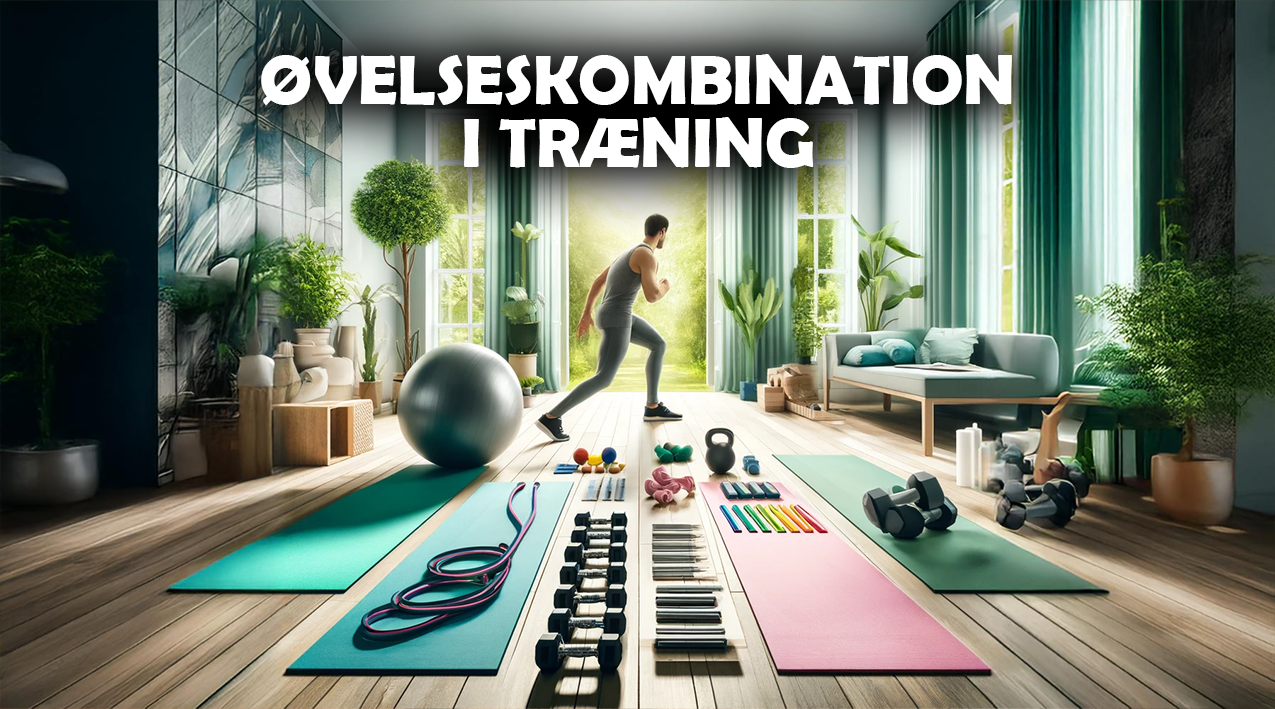
An effective workout routine is not just about performing exercises, but about combining them thoughtfully to give your body a varied workout. Combining different types of exercises in your home workouts creates a better balance between strength, endurance, flexibility and cardiovascular fitness. This makes exercise more enjoyable, more effective and easier to maintain over time.
By mixing exercises that work your upper body, lower body and core, you can create a full-body workout without spending hours on it. A good combination ensures that you work all the major muscle groups — while also raising your heart rate.
Ideas for 2 Different Combinations of Exercises in a Workout Routine
Beginner Programme (20 Minutes)
🏋️♂️ 10 squats
💪 8 press-ups (on your knees or toes)
🧱 20-second plank
🚶♂️ 10 lunges on each leg
🔥 30 seconds of high knees
🔁 Repeat for 3 rounds
Advanced Programme (30 Minutes)
🤸♂️ 15 jump squats
💪 12 press-ups
🧱 1-minute plank
🔥 12 burpees
🚴♂️ 20 bicycle crunches
🏃♂️ 1 minute of jumping jacks
🔁 Repeat for 4 rounds
Stretching and Relaxation Exercises for Your Home Workouts
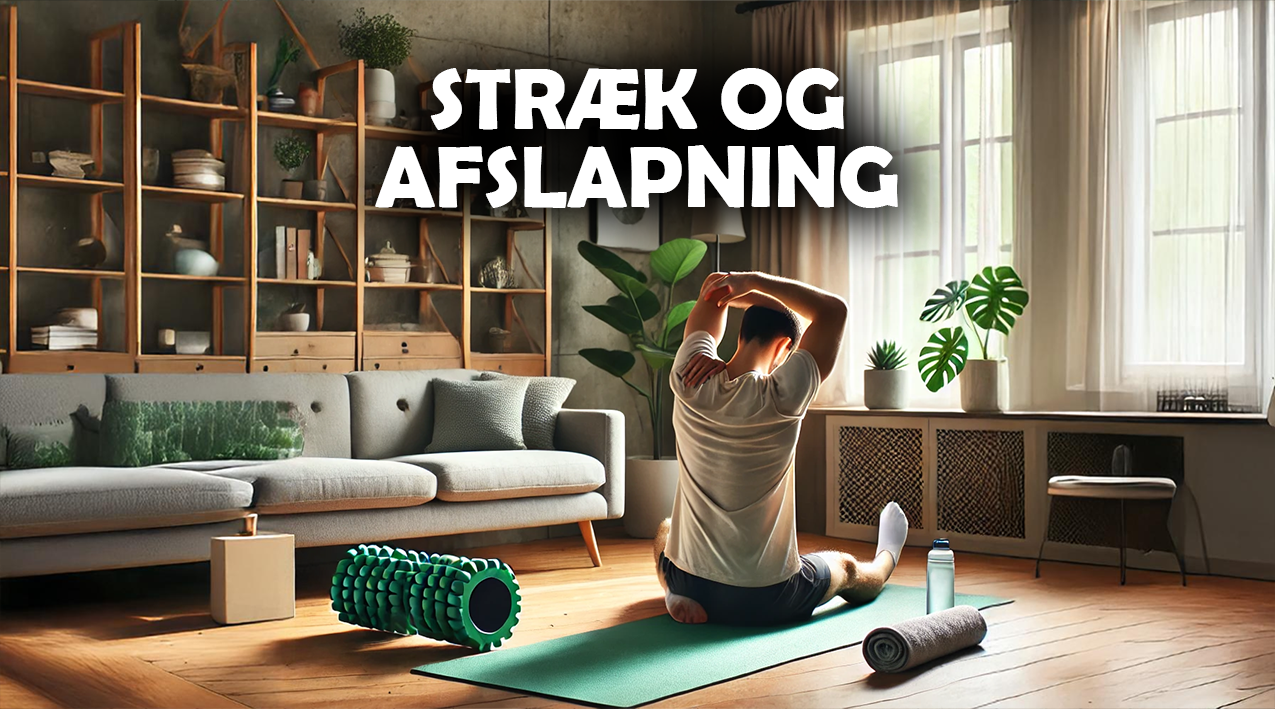
A healthy and effective home workout routine is not just about strength and fitness — stretching and relaxation are equally important. Giving your body time to stretch and relax after your home workouts improves flexibility, blood circulation and mental calm. This helps prevent injuries, reduce tension and support better recovery after exercising at home.
Stretching and relaxation exercises are easy to do at home and require very little equipment. They can be used as a warm-up, a cool-down or a standalone routine to bring calm and balance to your body.
Ideas for Effective Stretching and Relaxation Exercises After Home Workouts
🧍 A Classic Full-Body Stretch After Your Home Workout
A simple full-body stretch is a perfect way to release tension throughout your body — especially after exercising at home. Stand with your feet hip-width apart, slowly raise your arms above your head and stretch as far as you can. This exercise increases blood circulation, improves flexibility and gives your body a pleasant feeling of lightness.
🪞 Shoulder and Neck Stretches – After Home Workouts
The shoulders and neck are areas where many people experience tension — especially if they spend much of the day sitting down. After a home workout, gentle shoulder and neck stretches can relieve stiffness and help prevent pain. Gently roll your shoulders backwards, carefully tilt your head to one side and hold the stretch for 20–30 seconds.
🧘 The Cat-Cow Exercise for Your Back and Posture at Home
The cat-cow exercise, familiar from yoga, is ideal for mobilising your spine and improving posture. Start on all fours, round your back like a cat — then arch it like a cow. This movement is excellent for home workouts, as it loosens your back, improves flexibility and creates a sense of calm.
🪷 Child’s Pose for Calm and Relaxation at Home
Child’s pose is a classic yoga pose that helps your body relax and settle. Kneel down, stretch your arms forwards and rest your forehead on the floor or your mat. This exercise is perfect for cooling down after a home workout — or as a standalone relaxation routine.
🪜 Hip and Thigh Stretches for Flexibility in Your Home Workouts
Hip and thigh stretches are particularly useful for those who train their legs and core. They help loosen the muscles in your lower body, improve mobility and reduce the risk of soreness. These stretches are easy to do at home and can be adapted for both beginners and more experienced exercisers.
🌬️ Deep Breathing and Relaxation When Exercising at Home
A simple breathing exercise can work wonders for both body and mind. Sit comfortably, close your eyes and breathe deeply into your abdomen. Focus on slow, long breaths for 1–2 minutes. This technique can be used at the end of a home workout or as a standalone exercise to reduce stress.
If you would like further inspiration for managing stress, read our article – Practical Tips for Getting Rid of Stress and Anxiety – Learn to Improve Your Mental Health
🛋️ Gentle Stretching on the Floor – or an Exercise Mat to Finish Your Home Workout
Finish your workout with gentle stretching on the floor or your exercise mat. Gently stretch your legs, back and arms, and allow your body to relax. This simple sequence helps prevent muscle tension, improves flexibility and creates a sense of calm in your body.
REMEMBER – Stretching and relaxation exercises are an important addition to home workouts — they allow your body to recover, improve flexibility and help you find calm in both body and mind.
Stay Motivated When Exercising at Home
One of the biggest challenges of home workouts is not getting started — it is keeping going. Motivation fluctuates for everyone who exercises regularly, so it is important to have some useful strategies to help you maintain your home workouts, even on days when the sofa is more tempting than the exercise mat.
Finding ways to make your home workouts more structured, enjoyable and personal makes them easier to maintain — and helps them become a natural and positive part of everyday life.
Ideas for Staying Motivated When Exercising at Home
🗓️ Create a Regular Schedule for Your Home Workouts
A regular schedule makes it easier to keep exercising in everyday life. Planning your workout days and times makes home exercise a natural part of your routine. Choose realistic times that fit your daily life and treat them as appointments with yourself. The more regularly you exercise, the easier it becomes to stay motivated.
🎯 Set Realistic and Measurable Goals for Exercising at Home
Motivation grows when you can see and feel your progress. Start with small, achievable goals, such as exercising for 10–15 minutes three times a week. As you reach your goals, you can gradually increase the difficulty. Clear milestones make it easier to stay focused and give you a strong sense of achievement.
🧭 Track Your Home Workout Progress Over Time
Seeing your progress in black and white can be incredibly motivating. Use a workout diary, an app or a simple chart to record your exercises and improvements. When you can see that you are getting stronger, faster or building endurance, you have clear evidence that your efforts at home are paying off.
🪩 Make Your Home Workouts Fun and Varied
Exercising at home should not feel like a chore. Alternate between different types of exercises, add music, set yourself small challenges or try new forms of exercise. Variety prevents you from getting bored with your routine and makes it easier to look forward to your next workout.
👥 Involve Family or Friends in Your Home Workouts
It can be easier to stay motivated when you are not exercising alone. Invite family or friends to work out with you — either in person or online. Exercising together offers support, enjoyable shared experiences and a sense of commitment that makes it harder to skip a session.
🧘 Create an Inspiring Workout Area in Your Home
An inviting workout area can make a big difference to your motivation. It does not need to be large — just somewhere you feel comfortable. Keep your exercise mat and equipment ready, and create a calm atmosphere that makes you want to exercise. The easier it is to get started, the more often you will do it.
🏆 Celebrate Your Progress Along the Way with Home Workouts
Whether your progress is small or significant, remember to celebrate it. Give yourself a pat on the back when you complete a week of workouts, manage more repetitions or simply keep going. Recognising your own achievements is a powerful motivator and helps you build lasting exercise habits.
REMEMBER – Motivation to exercise at home is not just about willpower — it is also about creating the right environment and routines for your home workouts. Small, thoughtful changes to your approach can make it easier to keep going and reach your goals.
You can find more tips on staying motivated to exercise in our article – Practical Tips for Staying Motivated to Exercise All Year Round
Healthy Eating Combined with Home Exercises
A healthy lifestyle is not just about moving your body — nutrition plays just as important a role as exercise.
When you combine a nourishing, balanced diet with regular home exercises, your body gets the energy it needs to perform at its best and recover effectively. The right diet can improve your endurance, give you more energy throughout the day and support your fitness goals.
Home workouts and healthy eating go hand in hand – exercise strengthens your body, while food provides the fuel. Even small changes to your eating habits can make a big difference to your energy, wellbeing and workout results.
Ideas for Combining Healthy Eating and Home Exercises
🥗 Eat Nourishing Meals Before Your Home Workouts
To get the most out of your home workouts, it is important to give your body the right fuel. A light, nourishing meal before exercise can improve your performance, increase endurance and make your exercises more effective. This could be a bowl of porridge with fruit, a smoothie or wholemeal bread with a protein-rich topping. Avoid heavy meals before your home workouts, as they can leave you feeling tired and sluggish.
🧃 Refuel Your Body After Exercising at Home
After your home workout, your body needs nutrients to rebuild muscles and replenish its energy stores. A meal containing protein and healthy carbohydrates helps you recover more quickly. Good options include a protein-rich smoothie, eggs with vegetables or chicken with brown rice. This phase is essential for supporting your progress with home workouts.
🥑 Focus on Lasting Energy with a Balanced Diet to Support Your Home Workouts
A balanced diet containing healthy fats, protein and complex carbohydrates gives you steady energy throughout the day — including for exercising at home. Avoiding large fluctuations in blood sugar gives you more energy to move and develop healthy exercise habits. Think vegetables, wholegrains, fish, nuts and lean meat rather than processed snacks.
💧 Drink Plenty of Water Before, During and After Home Workouts
Hydration is an often overlooked part of a healthy lifestyle. You sweat when exercising at home too — so it is important to drink plenty of water. Good hydration improves endurance, reduces the risk of headaches and improves concentration. Always keep a water bottle nearby during your home workouts.
🕒 Plan Your Meals and Home Workouts Together as Part of Your Daily Routine
Planning your meals and home workouts together makes it easier to establish consistent habits. Choose times when you have the energy and capacity, so both eating and exercise fit naturally into your daily rhythm. Planning workouts and meals also makes it easier to avoid overeating or skipping exercise.
🧘 Eat Fresh, Varied and Less Processed Food to Support Your Home Workouts
Your diet has a significant influence on how you feel — both during and after home workouts. Fresh, varied food full of vitamins, fibre and healthy fats gives your body the building blocks it needs to recover and perform. Less processed food means fewer empty calories and more nutrients to support a healthy lifestyle.
🍽️ Listen to Your Body and Adjust Your Diet to Your Needs to Support Your Home Workouts
No two bodies are the same, and this applies to nutrition and exercising at home too. Some people need more energy before exercise, while others need it afterwards. Listen to your body and find the eating pattern and diet that work best for you alongside your home workouts. By paying attention to how you feel and making ongoing adjustments, you can create a sustainable balance between food and movement.
REMEMBER – When healthy eating and home workouts go hand in hand, you not only achieve better results — you also gain more energy, better recovery, improved workout results and greater everyday wellbeing.
You can find more inspiration for combining healthy eating and exercise for optimal results in our article – Practical Tips for Combining Exercise and Nutrition for Optimal Results
Conclusion
A healthier lifestyle does not need to be complicated or expensive. By combining easy and effective home exercises with small, conscious changes to your daily life, you can make a big difference — both physically and mentally. It is not about pushing yourself to the limit every day, but about creating small, sustainable exercise habits that you can maintain over time.
The advantage of home workouts is their flexibility: you can exercise whenever it suits you, at your own pace and without needing advanced equipment. With a well-structured workout plan, simple exercises and a little equipment, you can transform your home into your own comfortable workout space. Add healthy eating, good planning and motivating workout routines, and you have a strong foundation for a more active and balanced lifestyle.
👉 Small steps count — and consistency in your home workouts is the key to lasting positive change.
👉 Keep your home workouts simple, make them a habit — and enjoy the benefits for both body and mind.
👉 Your healthier lifestyle starts with home workouts, with you at the centre.
Start your home workouts today and feel the benefits of greater energy, strength and wellbeing in everyday life.
Mini-Guide – Key Points for a Healthier Lifestyle with Easy and Effective Home Exercises
💪🏡✨
Here is a practical, easy-to-follow guide summarising the article above, with the most important elements to focus on if you want to create a healthier lifestyle through home workouts without needing expensive equipment or lots of time.
🗓️ 1. Create a Realistic Home Workout Routine
To get the most out of exercising at home, it helps to create a regular, manageable schedule. Set aside specific times for your home workouts so they become a natural part of everyday life. Consistency matters more than the length of each session — small steps lead to big results over time.
🏋️ 2. Focus on Simple and Effective Exercises for Home Workouts
You do not need advanced equipment for an effective home workout. Basic exercises such as squats, the plank, press-ups and lunges activate several muscle groups and provide an effective full-body workout. These exercises are easy to adapt, whatever your fitness level.
🧘 3. Remember Stretching and Relaxation After Home Workouts
Stretching and relaxation are important parts of an effective home workout. Gentle stretches help your body recover, improve flexibility and reduce the risk of injury. Finish your home workouts with 5–10 minutes of stretching to give your body the best possible finish.
🥦 4. Combine Home Workouts with Healthy Eating
To get the most out of exercising at home, it is important to support your body with a healthy, balanced diet. Nourishing meals provide energy for exercise and help your body recover. Food and movement complement each other and create better results in the long term.
🎯 5. Set Realistic Goals and Track Your Home Workout Progress
Set small, achievable goals that fit your daily life. Being able to track your progress makes it easier to stay motivated. Keep a record of your home workouts and celebrate your achievements along the way — both big and small.
🧠 6. Make Exercising at Home Motivating and Fun
To maintain your home workouts over time, exercise needs to feel enjoyable. Add variety, play music, try new exercises or set yourself small challenges. The more motivating your home workouts are, the more likely you are to keep them up.
🪴 7. Build a Sustainable Lifestyle Around Home Workouts
Home workouts are not just about individual exercises — they are about creating healthy, lasting habits. Start small, build up gradually and focus on consistency rather than perfection. A solid home workout routine can become the foundation for a healthier daily life with more energy and vitality.
👉 REMEMBER – Home workouts give you freedom, flexibility and control over your own exercise routine. With small, consistent steps, you can build strong habits, improve your health and have more energy in everyday life.
If you would like further inspiration for easy and effective home exercises, watch this video – 30-Minute Fat-Burning Home Workout for Beginners. Achievable Results with Low-Impact Exercise
If you have experience with or knowledge of easy and effective home exercises, we would love to hear your thoughts and suggestions in the comments section about other useful ways to exercise easily and effectively at home.
