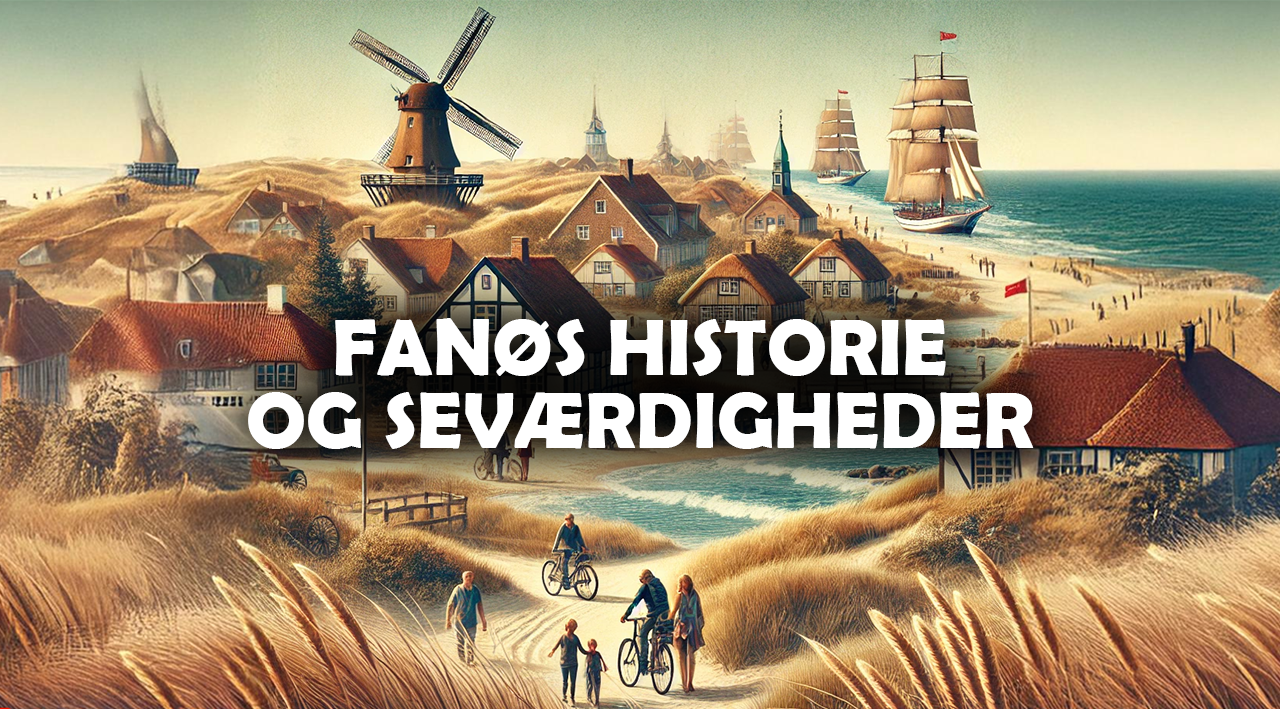
Fanø is a unique Danish gem situated in the Wadden Sea, just off the coast of Esbjerg. The island is known for its charm, history and range of attractions, making it a popular destination for both Danish and international tourists.
In this article, we will briefly explore Fanø’s fascinating history and share useful tips on the sights you should see when visiting Fanø
The History of Fanø
Fanø Through the Ages
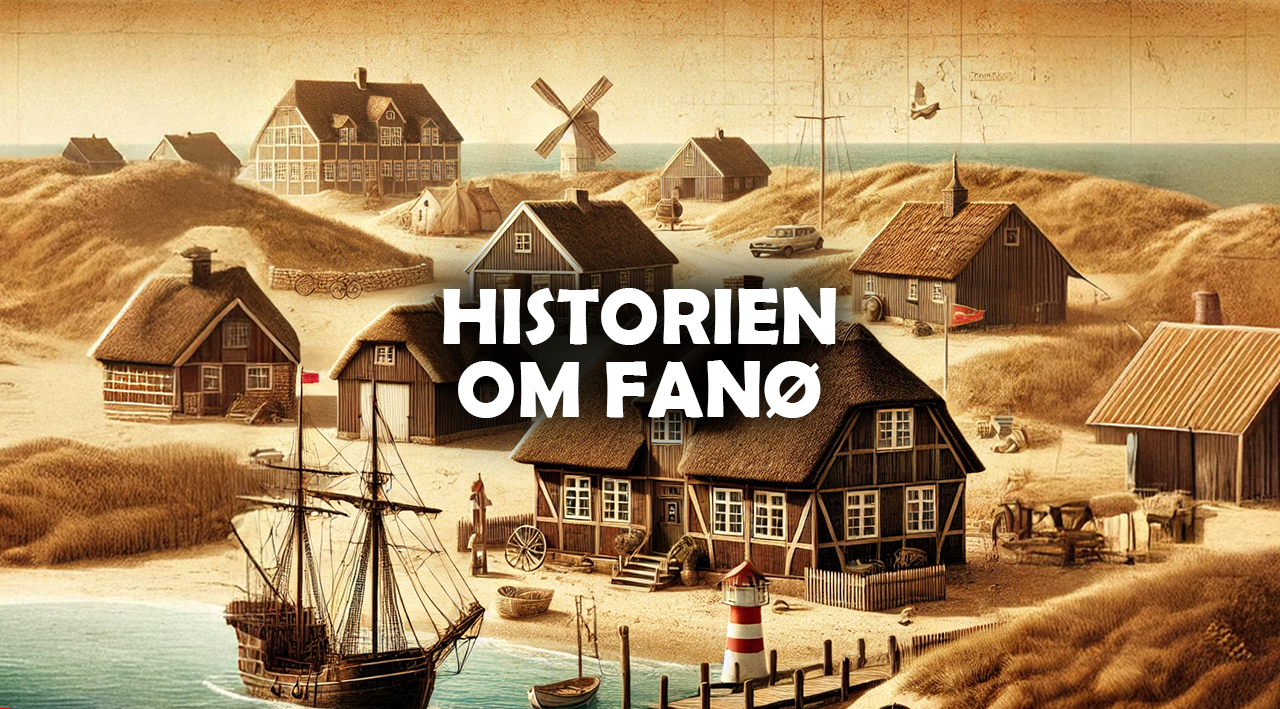
Fanø’s history stretches back many centuries. The island was probably formed as part of the geomorphological processes that shaped the Wadden Sea after the last Ice Age. Fanø was first mentioned in written records in 1231, when it was described as royal property. At that time, the island was sparsely populated and mainly used as grazing land.
Fanø as a Maritime Centre
In the 18th and 19th centuries, Fanø developed into an important maritime centre. In 1741, the islanders bought Fanø from the Danish Crown and began developing the island economically and culturally. Maritime trade flourished during this period, and Fanø became home to a large number of ships that sailed around the world.
Nordby and Sønderho played particularly important roles as maritime towns. The distinctive sea captains’ houses that can still be seen today are reminders of this era. In 2011, Sønderho was even named Denmark’s most beautiful village, and with good reason: its well-preserved houses and narrow streets are steeped in history.
Fanø During the World Wars
During both the First and Second World Wars, Fanø played a strategic role, as Germany used the island as part of its defence strategy in the North Sea. Several bunkers were built, which can still be seen on the island today and serve as reminders of this dark period.
Fanø Today
Today, Fanø is included on UNESCO’s World Heritage List as part of the Wadden Sea area. The island has developed into a modern destination that combines its historical roots with a focus on nature, culture and sustainable tourism.
Sights and Experiences on Fanø
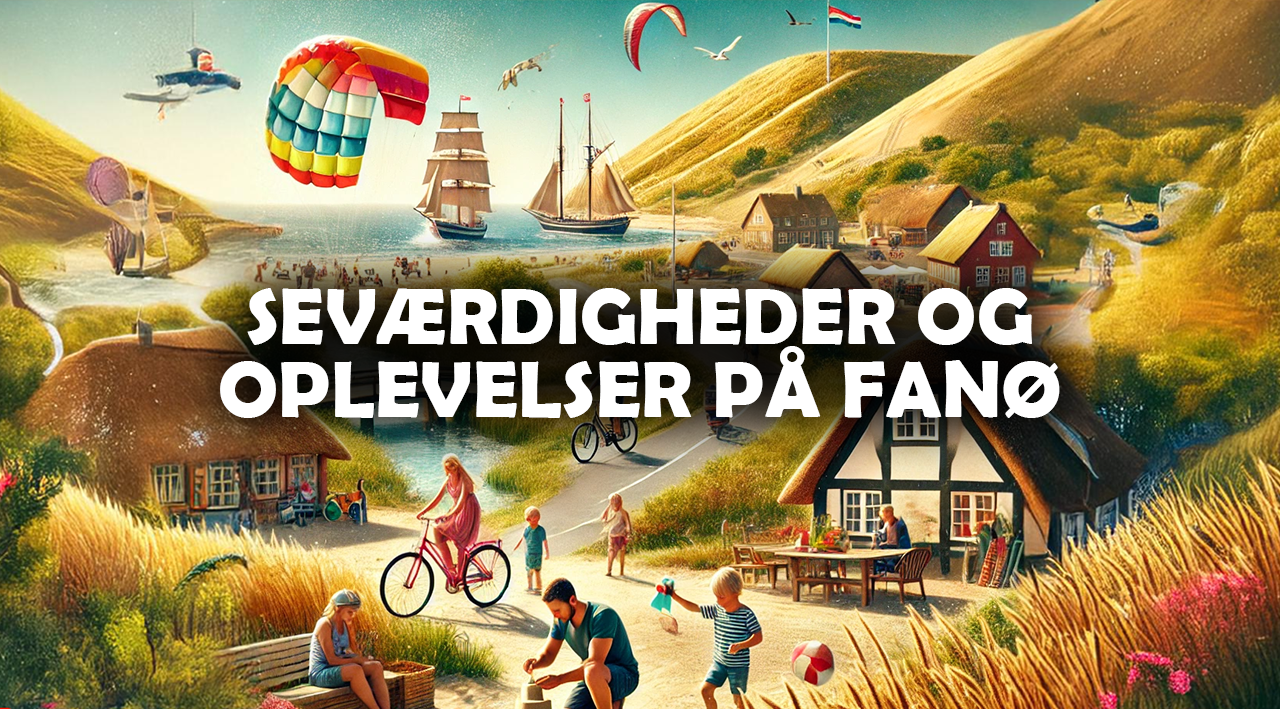
Fanø offers a wealth of experiences for nature lovers, culture enthusiasts and families.
Here are some of the best places and activities you should not miss:
1. Sønderho – Denmark’s Most Beautiful Village
Sønderho is a charming village steeped in history. Take a stroll among the old sea captains’ houses and visit Sønderho Church, known for its beautiful model ships and distinctive interior. The village also has several galleries and craft shops where you can buy unique souvenirs.
2. Fanø’s Beaches
Fanø has some of Denmark’s widest and most beautiful beaches. Rindby Strand and Fanø Bad are popular with tourists, and it is easy to see why. The beaches are perfect for relaxing, swimming or activities such as kite flying and windsurfing. During the summer months, you may even be lucky enough to find amber along the coast.
3. Wadden Sea National Park
Fanø is part of Wadden Sea National Park, one of the world’s most important wetland areas. Here, you can experience the spectacular phenomenon known as the Black Sun, when thousands of starlings gather and dance across the sky at dusk. You can also go on a seal safari and see the many harbour seals that live along the island’s coast.
4. Fanø Art Museum
For art lovers, Fanø Art Museum in Sønderho is a must. The museum has an impressive collection of works by artists who have drawn inspiration from Fanø’s unique natural surroundings and culture. It offers a fascinating insight into how the island has influenced art over the years.
5. Fanø Maritime and Costume Collection
This collection in Nordby tells the story of Fanø’s rich maritime traditions and the beautiful traditional costumes that form part of the island’s cultural heritage. The exhibitions paint a vivid picture of life for seafarers and their families during Fanø’s heyday as a maritime centre.
6. Fanø Adventures
If you are travelling with children, Fanø is a fantastic place for adventure. Take the family on an amber treasure hunt, try your hand at land sailing or explore the island’s many walking trails. Fanø is also known for its many annual events, such as the Fanø Vesterland music festival and the Kite Festival.
Practical Tips for Your Visit to Fanø
1. Getting to and Around Fanø
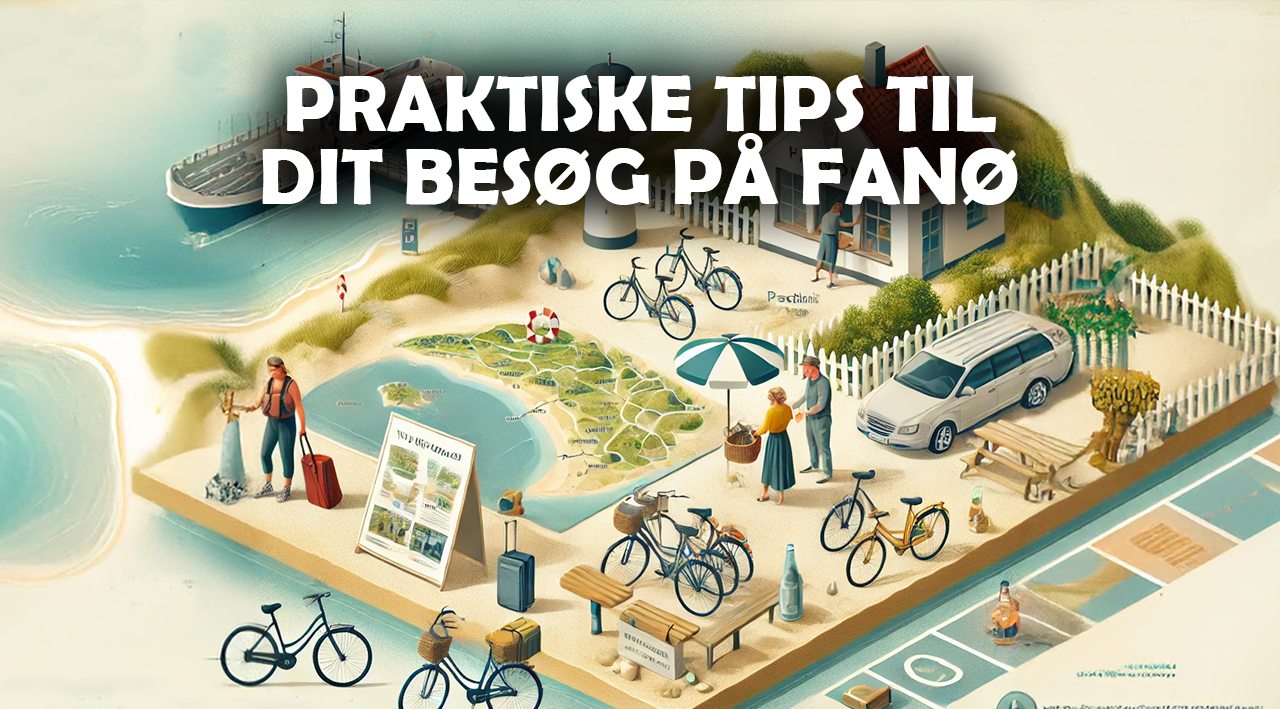
The easiest way to reach Fanø is by taking the Fanø ferry from Esbjerg, a short crossing of around 12 minutes. The island is small and easy to get around, and many visitors choose to explore it by bicycle. You can hire bicycles at several locations on the island.
2. Accommodation
Fanø offers a wide range of accommodation options, from cosy bed and breakfasts to luxurious holiday homes. If you prefer camping, there are also good campsites with modern facilities.
3. Places to Eat
The island has several good restaurants and cafés. You can try local specialities such as Fanø salmon and Wadden Sea lamb. Several places also serve dishes featuring local ingredients such as seaweed and oysters.
4. Best Time to Visit
Fanø is lovely to visit all year round, but the summer months are particularly popular thanks to the warm weather and abundance of outdoor activities. For nature lovers, spring and autumn are ideal times to experience the Black Sun and go on a seal safari.
Conclusion
Fanø is more than just an island – it is a window into Denmark’s history, culture and nature in beautiful harmony. Whether you are interested in historic villages, spectacular natural experiences or simply relaxing on wide sandy beaches, Fanø has something for everyone. A trip to Fanø is more than just a holiday; it is an experience that stays in your heart long after you return home.
If you need more inspiration for visiting Fanø, watch this video – Fanø – Your Holiday Island
If you know Fanø well or live on the island, we would love to hear your thoughts and/or suggestions in the comments about other fascinating sights and experiences on Fanø