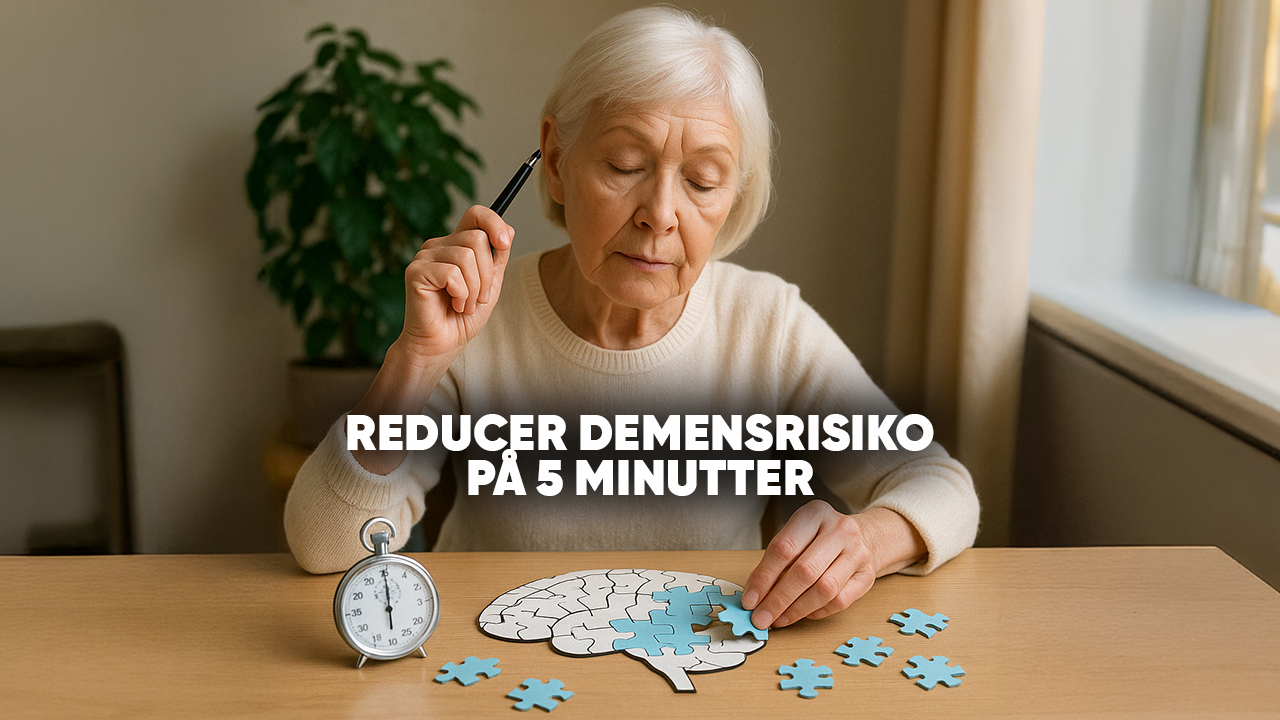
Dementia is one of the most feared diseases among older people, and the number of people living with dementia is expected to increase significantly in the coming years. Fortunately, there are several specific things you can do to reduce your risk of developing the disease. New research shows that it may take no more than five minutes of daily effort to significantly reduce the risk.
In this article, we take a closer look at the most important and well-documented strategies for protecting your brain and promoting good mental health throughout your life
What is dementia?
Dementia is a general term for a range of diseases that lead to a gradual decline in the brain’s cognitive functions, including memory, thinking, orientation, understanding, and language. Alzheimer’s disease is the most common form of dementia, but there are more than 200 different types, all of which can affect the brain to varying degrees. It is important to emphasize that dementia is not a natural part of aging but is caused by disease in the brain.
Why is prevention important?
In Denmark, more than 97,000 people over the age of 65 are living with a dementia diagnosis (Source: Danish Health Authority - https://www.sst.dk/da/). The disease is challenging not only for the individual but also for relatives and the healthcare system. Since there is currently no cure for dementia, prevention is the best defense. Research shows that up to one-third of all dementia cases could potentially be prevented through lifestyle changes.
Although the risk increases with age, it is important to understand that dementia is always caused by disease – it is therefore not a natural part of getting older.
1. New research - Physical activity - Just five minutes a day makes a difference

A striking new study from the Johns Hopkins Bloomberg School of Public Health shows that you can reduce your risk of dementia by as much as 41% simply by being physically active for five minutes a day.
“A little exercise is far better than none – especially when it comes to the effects of aging on the brain.” – Amal Wanigatunga, Ph.D. and professor at the Johns Hopkins Center on Aging and Health
The results in brief:
5 minutes daily (35 min/week): 41% reduced risk
35–70 min/week: 60% reduced risk
70–140 min/week: 63% reduced risk
More than 140 min/week: 69% reduced risk
The researchers behind the study especially highlight the major benefit of simply going from being completely inactive to being slightly active – and this is encouraging news for those who find it difficult to reach the
traditional recommendation of 150 minutes of exercise per week.
Small steps, big impact
The study, which is based on data from nearly 90,000 adults in the UK Biobank project, shows that even a very small amount of activity – such as a short walk or some exercises at home – can have a noticeable effect.
Do you have a pedometer or smartwatch? Then simply get started and set the bar low - 5 minutes a day is enough to make a difference.
You can find inspiration for getting started with physical activity in an easy way in our article - Great Tips for Fitness for Seniors - Gentle Exercises for Better Health
2. Diet and nutrition - What you eat matters

Eating habits are another factor you can control if you want to reduce your risk of dementia. According to research, saturated fats have a negative effect on the brain, while the so-called Mediterranean diet, rich in fruit, vegetables, whole grains, fish, and healthy fats such as olive oil, has been shown to significantly reduce the risk of dementia.
Tips:
- Eat vegetables with every meal.
- Cut down on sugar and processed foods.
- Choose healthy sources of fat such as nuts, fish, and avocado.
- Drink water instead of soda or juice drinks.
It is therefore important to be aware of the impact of your diet, especially if you already have signs of cognitive changes.
3. The brain loves social connections

In addition to exercise, social interaction also plays a major role in preventing dementia and has a documented positive effect on brain health.
Conversation, laughter, cooperation, and contact with other people stimulate the brain and keep it sharp.
“When we talk and interact with others, we train the brain. Social activities stimulate memory and keep the brain active.”
– John Dirk Nieland, research leader, Aalborg University
It is therefore far better to participate in conversations and social activities than to sit passively in front of the television. The brain is activated much more broadly when you are with other people – through language, sight, hearing, and even smell.
Tips:
- Take part in clubs, associations, or volunteer work.
- Invite friends and family to visit.
- Become part of a network, such as a book club or card club.
- Call or write to an old friend.
4. Mental stimulation - Use your brain actively
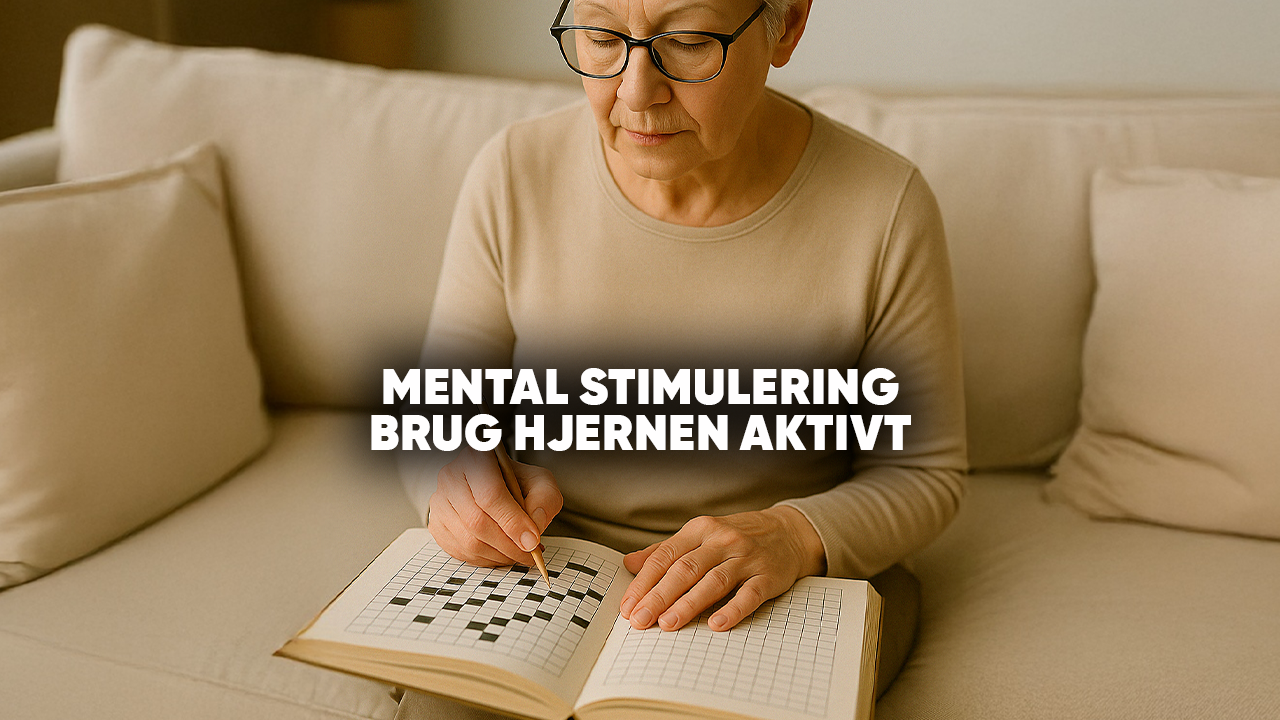
Just as the body needs exercise, the brain needs challenges. Mental activities such as reading, games, writing, and problem-solving strengthen brain functions and help counteract cognitive decline.
Tips:
- Learn something new: a language, an instrument, or a hobby.
- Do crossword puzzles, Sudoku, or other brain-training games.
- Read books and articles regularly.
- Keep a journal or take part in creative activities.
5. Healthy sleep - The brain recovers at night
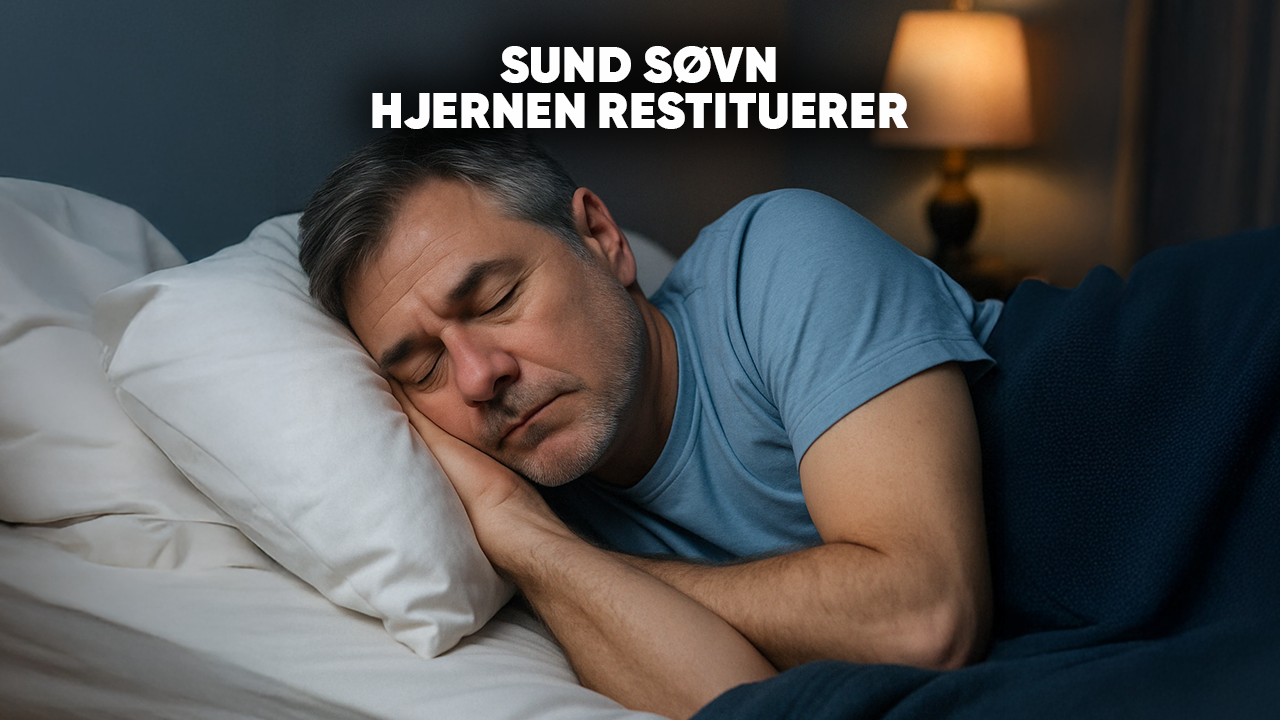
Sleep is essential for the brain’s ability to clear out waste products and preserve memory. Too little or interrupted sleep can increase the risk of dementia.
Tips:
- Go to bed and wake up at the same time every day.
- Avoid screens and caffeine before bedtime.
- Create a calm sleeping environment with good blackout curtains or blinds.
- Consider taking a short afternoon nap (20–30 minutes).
You can find more tips for maintaining a good and stable sleep routine in our article - Great Tips for Better and More Stable Sleep – Sleep Well Every Night!
6. Avoid harmful substances - Alcohol and smoking

Both alcohol and smoking have a documented negative effect on brain health. High alcohol consumption can accelerate cognitive decline, and smoking reduces blood flow to the brain.
Tips:
- Limit alcohol consumption to recommended amounts.
- Get help to quit smoking if you smoke.
- Choose alcohol-free drinks at social events.
You can find more inspiration for quitting smoking and drinking less alcohol in our articles:
Great Tips for Quitting Smoking – Your Guide to a Smoke-Free Life
Great Tips for Drinking Less Alcohol – Your Guide to a Healthier Alcohol Balance
7. Manage chronic diseases
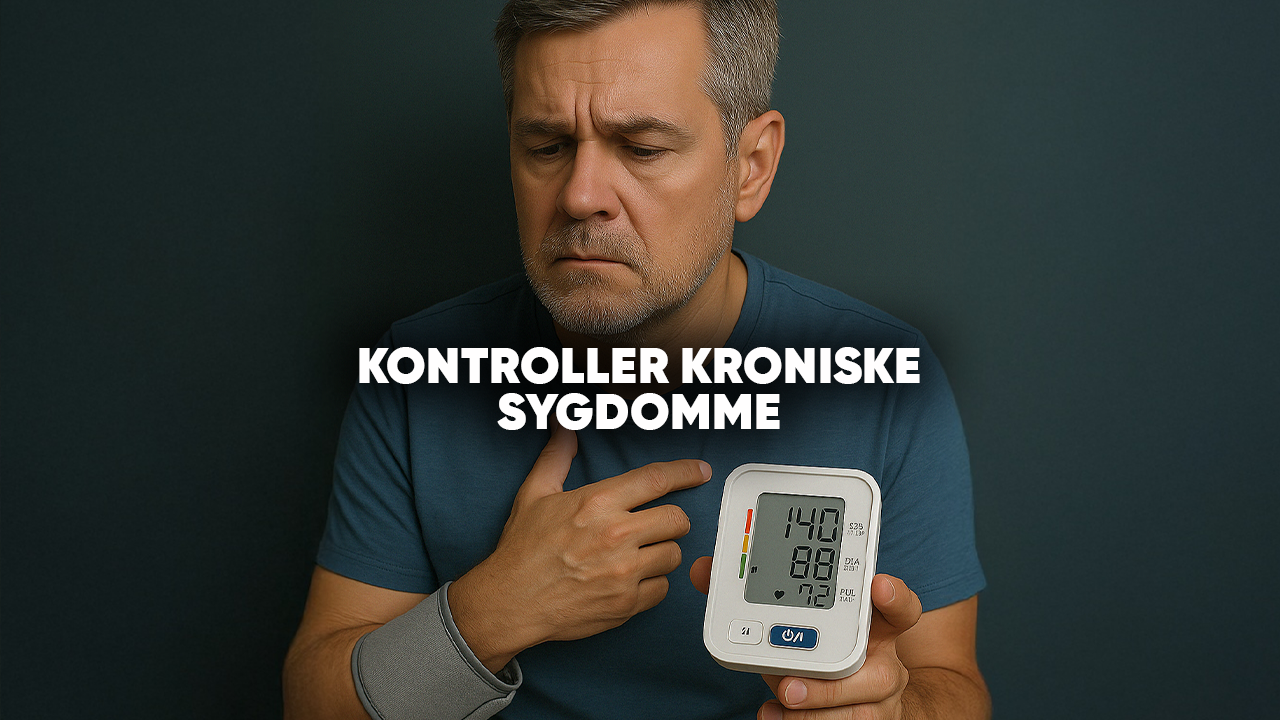
Conditions such as diabetes, high blood pressure, and high cholesterol increase the risk of dementia. Proper treatment and management of these conditions are therefore essential.
Tips:
- Visit your doctor regularly for check-ups.
- Take medication as prescribed.
- Eat a healthy diet and exercise to help regulate your levels.
8. Maintain a healthy weight
Being overweight, particularly in middle age, is associated with a higher risk of dementia. A healthy weight contributes to a healthy circulatory system and better brain function.
Tips:
- Eat appropriate portion sizes and choose nutritious foods.
- Combine a healthy diet with exercise.
- Consider following a weight-loss program with professional guidance.
You can find inspiration for losing weight in our article - Great Tips for Weight-Loss Training - The Most Effective Exercises -
9. Avoid isolation and depression
Mental health plays a major role in preventing dementia. Loneliness and depression can accelerate cognitive decline.
Tips:
- Talk to someone if you are feeling down.
- Seek professional help if you experience signs of depression.
- Build meaningful relationships and take part in meaningful activities.
You can find inspiration on how to deal with depression constructively in our article - Great Tips on How to Spot Signs of Depression and How to Get the Right Help in Time
10. Be aware of early symptoms
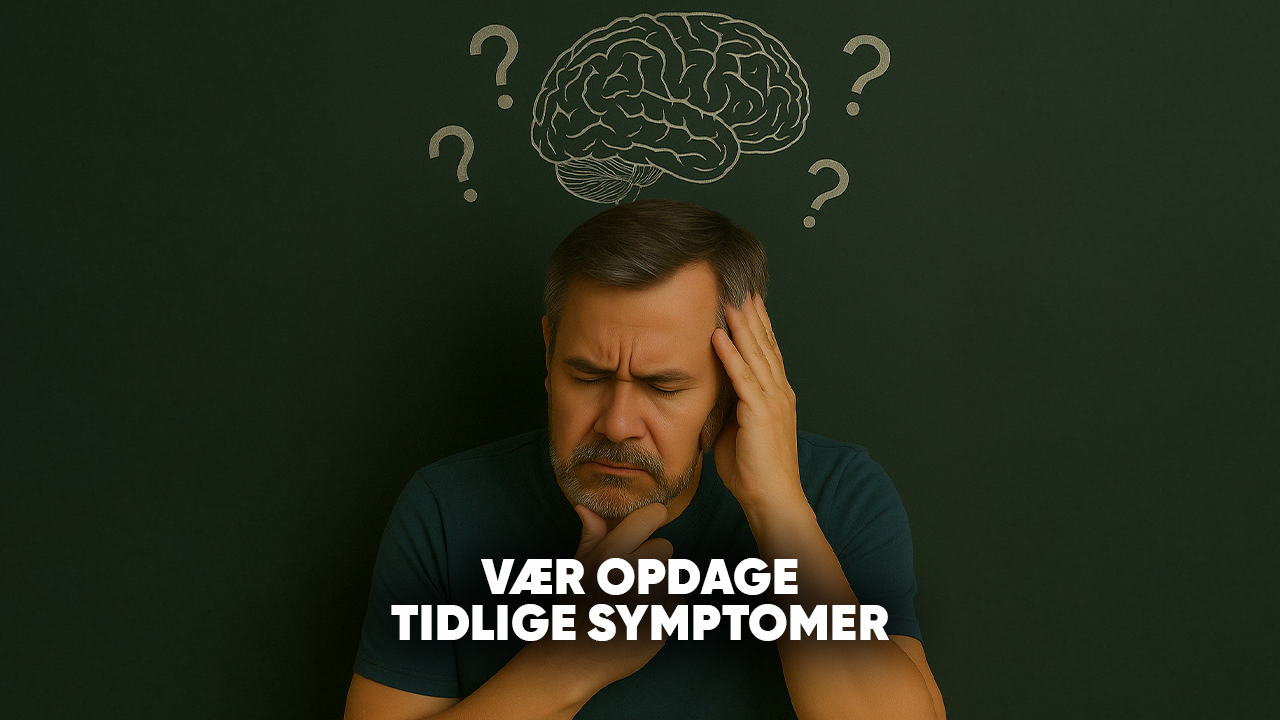
The earlier signs of cognitive decline are detected, the sooner action can be taken. Early detection can extend the period of independence and quality of life.
Signs to watch for:
- Repeated forgetfulness
- Difficulty with everyday tasks
- Confusion about time and place
- Language difficulties
Conclusion
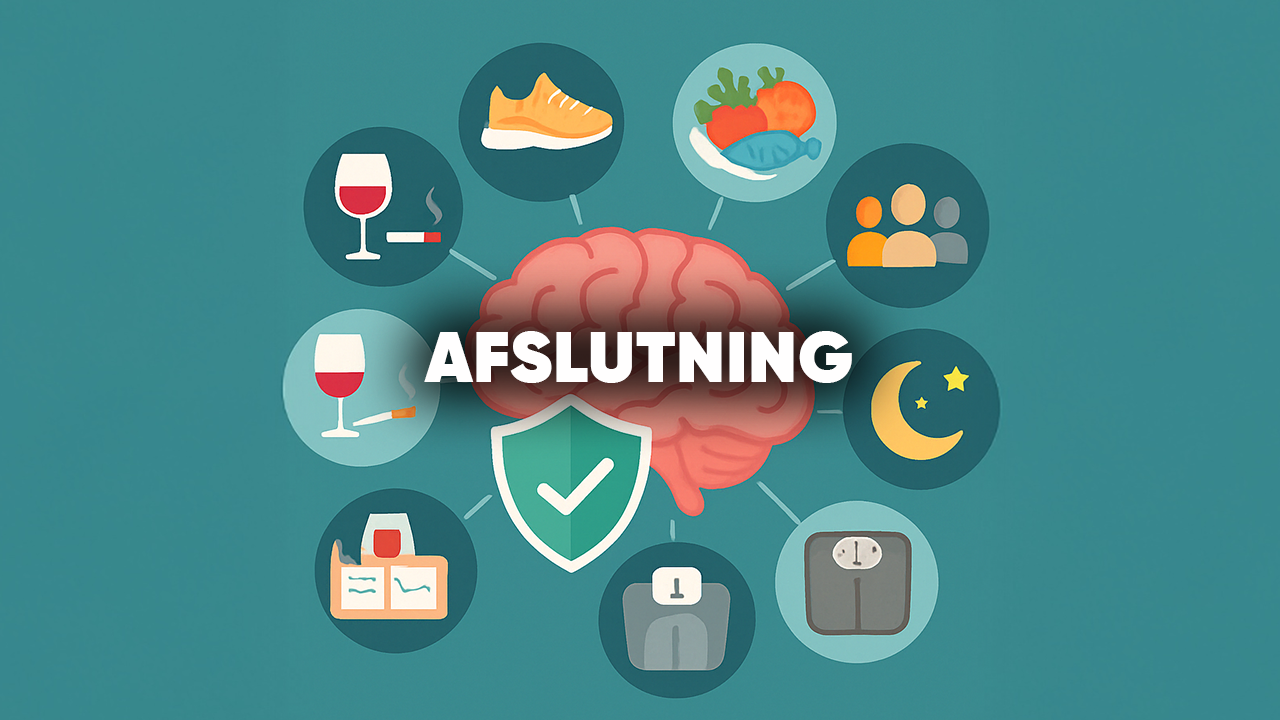
Although there is currently no cure for dementia, there are many things you can do to reduce your risk. Through simple but effective lifestyle choices such as exercise, a healthy diet, social interaction, and mental stimulation, you can strengthen your brain health and create the best possible conditions for a long and mentally sharp life. Start today – it is never too late to take care of your brain and significantly reduce your risk of dementia.
And remember - Just five minutes of physical activity a day, combined with social relationships and healthy eating habits, can significantly reduce your risk. It is never too late to start – and you do not have to start big.
-----------------------------------------------
Do you have experience and/or knowledge of good ways to reduce the risk of dementia? We would be happy to hear your input and/or suggestions in the comments section about other good ways to reduce the risk of developing dementia in the future.